
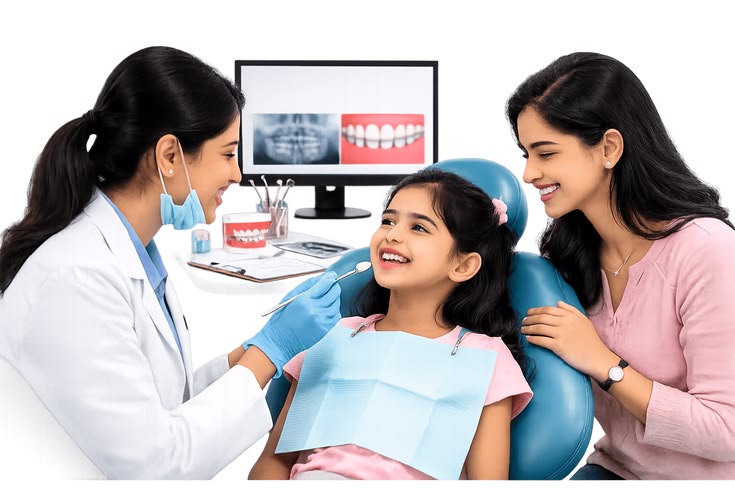


Dental care often feels like a moving target. One year, your primary concern is teaching a toddler how to brush without swallowing half a tube of bubblegum-flavored paste. A few years later, you are looking at teen orthodontic consultations, cracked molars from everyday stress, or simple wear and tear that dims your smile.
Most people know they should visit a dentist twice a year, but managing dental health across different life stages requires more than routine checkups. Between daily preventive habits, restorative treatments, and aesthetic updates, balancing clinical need with household budgets takes actual planning.
Understanding how different treatments fit together helps you protect your oral health while avoiding unnecessary, high-pressure procedures.
The Foundation: Building Everyday Oral Health Habits That Stick
Preventive dentistry saves more money and tooth structure than any advanced clinical procedure ever could. Yet, common daily mistakes frequently lead to early enamel breakdown and gum inflammation.
- Brush timing matters more than force. Scrubbing teeth aggressively wears down the cervical margin near the gumline, causing sensitive roots to become exposed. Two minutes of gentle, circular brushing using a soft-bristled brush protects both enamel and gum tissue.
- Floss reaches what bristles miss. Nearly 35% of each tooth’s surface sits between adjacent teeth. Skipping floss leaves trapped food debris and bacteria, which accelerates interproximal decay that basic visual checks often miss.
- Mind dietary acid exposure. Constant sipping on seltzers, sports drinks, or citrus waters softens enamel through acid erosion. Drinking water immediately afterward helps neutralize oral pH before permanent mineral loss occurs.
For families, consistency beats perfection. Making sure children brush before bed prevents nighttime bacterial blooms, while routine cleanings remove hardened calculus that home brushing cannot budge.
Conservative Cosmetic Treatments: Refreshing Dull Enamel
Cosmetic updates do not always require extensive structural alterations. When teeth are healthy, aligned, and cavity-free, simple surface treatments offer noticeable aesthetic improvements with minimal chair time.
Over time, everyday habits leave their mark. Coffee, tea, berries, and natural aging darken the dentin beneath your enamel. While retail shelves are packed with whitening strips and charcoal pastes, over-the-counter options often produce uneven results or trigger severe gum irritation.
Professional treatments rely on controlled concentrations of hydrogen peroxide or carbamide peroxide. A clinician protects vulnerable gum tissue before applying the whitening agent, reducing the sensitivity associated with generic store kits.
For patients seeking safe, supervised shade improvements, scheduling professional teeth whitening in san antonio tx delivers predictable lightening across the entire smile without stripping away healthy tooth structure.
Whitening works best as an introductory cosmetic step. Doing it first also provides a clean baseline shade if you eventually require tooth-colored fillings or crowns on adjacent teeth.
Structural Solutions: Repairing Chips, Gaps, and Deep Stains
Not every cosmetic or functional concern responds to bleaching gels. Teeth that suffer from intrinsic discoloration, developmental enamel defects, micro-fractures, or irregular wear often require restorative covering.
In these situations, thin shells of custom-milled porcelain or composite resin offer a durable fix. Rather than replacing the whole tooth like a crown, these restorations bond directly to the front surface, restoring symmetry and masking deep imperfections.
- Porcelain shells: Highly resistant to everyday coffee and wine stains, porcelain mimics natural enamel translucency and holds up well against normal chewing forces.
- Composite bonding: A direct, single-visit solution where resin is shaped directly on the tooth, ideal for minor edge repairs on younger patients.
- Preservation of structure: Conservative preparation techniques ensure as much natural enamel remains untouched as possible.
Patients exploring comprehensive smile makeovers to correct stubborn chips or deep tetracycline banding often consult providers for veneers in ballwin to design durable, balanced smiles tailored to their facial proportions.
Choosing structural restorations requires careful evaluation of your bite. If you clench or grind your teeth at night, pairing these restorations with a custom nightguard prevents premature chipping.
Managing Dental Investments: Smart Decisions for Household Budgets
Dental expenses can accumulate quickly, especially when multiple family members require care at the same time. Approaching your oral health with a phased treatment strategy helps keep costs manageable without compromising quality.
Prioritize Health Over Aesthetics
Always eliminate infection and decay first. Whitening an active cavity or placing a cosmetic veneer over untreated gingivitis leads to complications that cost far more to fix later. Stabilize gums and natural tooth roots before pursuing elective enhancements.
Maximize Annual Insurance Rollovers
Most dental insurance plans feature annual benefit caps that reset each calendar year. If you need several fillings, root canal therapy, or multiple crowns, ask your dentist to stage treatments across late autumn and early spring to take advantage of two benefit periods.
Explore In-House Dental Memberships
If your family lacks employer-sponsored dental benefits, ask local practices about direct membership plans. Many independent offices provide subscription memberships that cover yearly cleanings, basic exams, and diagnostic X-rays, along with fixed discounts on major restorative procedures.
A Proactive Approach to Lifelong Dental Wellness
A great smile is not just about picture-perfect teeth; it reflects steady daily care, timely clinical intervention, and treatments tailored to your lifestyle. By prioritizing daily prevention, choosing conservative cosmetic enhancements when desired, and addressing structural damage promptly, you can protect your oral health across every stage of life.
What dental goals are you prioritizing for your family this year? Share your thoughts or questions in the comments below.