
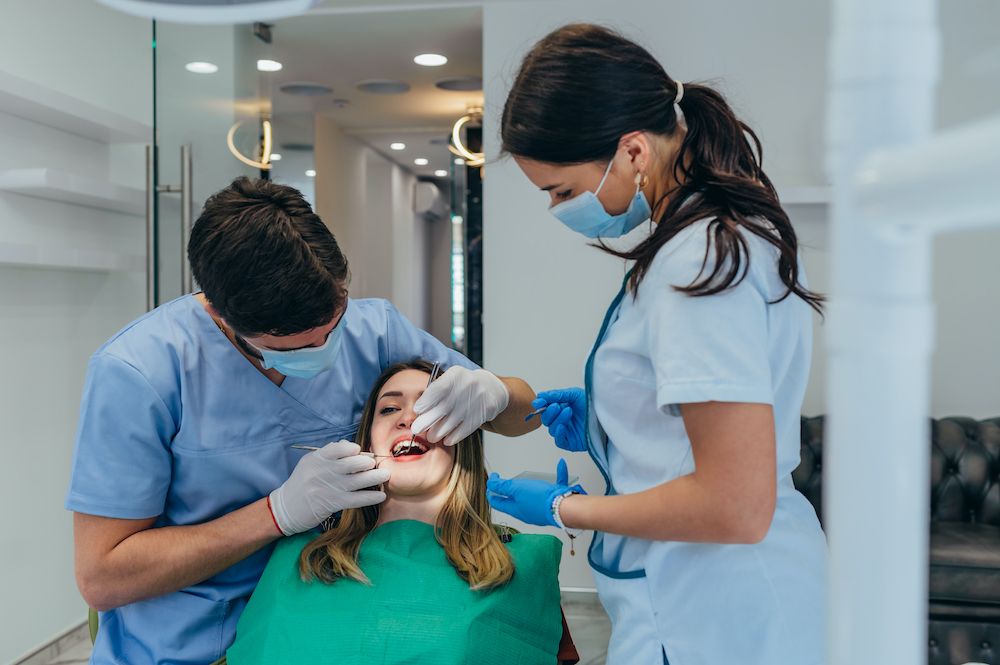


Most patients schedule a dental appointment because something hurts, something broke, or they feel self-conscious when they smile. Dental care falls broadly into two paths: restorative treatments, which repair function and oral structure, and cosmetic treatments, which alter shape, shade, and alignment. Knowing which category your needs fall under helps you budget accurately, understand insurance coverage, and work with your dentist toward a treatment plan that addresses both health and appearance.
According to data from the American Dental Association, more than two-thirds of adults over the age of thirty-five have lost at least one permanent tooth due to trauma, decay, or periodontal disease. At the same time, consumer interest in elective aesthetic treatments has surged. The challenge for patients is that these two categories frequently overlap. A crown repairs a fractured molar, but it also improves how that tooth looks. Understanding where the balance lies is the first step toward getting the treatment you need.
The Foundation: Restorative Care for Missing and Broken Teeth
Restorative dentistry focuses on preserving your natural teeth and replacing what cannot be saved. Untreated tooth decay and missing teeth cause real structural problems over time. When a tooth goes missing, the surrounding alveolar bone begins to resorb, leading to shifting neighboring teeth, altered bite mechanics, and eventual jaw pain.
Dentists rely on a few proven approaches to address structural loss:
- Traditional crowns to cap and protect teeth weakened by large fillings or root canals
- Fixed bridges that anchor artificial teeth to neighboring healthy teeth
- Full and partial dentures to replace multiple teeth along an arch
- one grafts to rebuild depleted jaw sections before more permanent fixtures are placed
When a tooth is lost entirely, the gold standard for full-arch stability is tooth replacement anchored directly into the jawbone. Patients researching replacement options often weigh bridge longevity against surgical fixtures like dental implants in Springfield VA, which fuse with the surrounding bone through osseointegration and prevent the bone loss typical of removable dentures. Consult with an expert like Dr. Jason Dulac so you can weigh your options.
Because restorative treatments address health deficits, dental insurance policies typically cover a substantial portion of these procedures, categorizing them as basic or major dental services.
Cosmetic Dentistry: Elevating Shape, Color, and Symmetry
Cosmetic dentistry starts where oral health is already stable. If a patient has active gum inflammation or untreated cavities, cosmetic work must wait until those clinical issues resolve. Once the mouth is healthy, aesthetic dentistry corrects chips, deep intrinsic staining, worn enamel, and uneven spacing.
Common cosmetic options include:
- In-office whitening treatments utilizing high-concentration peroxide gels to lift extrinsic discoloration
- Direct composite bonding to repair minor chips and close small gaps during a single visit
- Gum contouring to balance an uneven gumline or reduce a “gummy” smile
- Orthodontic aligners that straighten teeth without traditional metal brackets
For patients with deep tetracycline stains, severe enamel erosion, or chipped front teeth that whitening cannot fix, porcelain shells offer a durable fix. Those looking to correct multiple aesthetic issues across their visible teeth often consider thin ceramic shells such as dental veneers in Chelsea NY, which bond to the front of teeth to change their size, color, and symmetry without requiring extensive tooth reduction. Preferred Dental Care is a clinic with expertise in the field, so check them out so you can get more professional insight.
Unlike restorative procedures, cosmetic treatments are elective, meaning standard dental insurance rarely covers them. Many clinics offer third-party payment plans or staged treatment schedules to help patients manage costs over several appointments.
Comparing Your Options: Health Requirements vs. Aesthetic Goals
Before deciding on any treatment, ask your dentist whether the work is solving a functional deficit, an aesthetic concern, or both. Use this checklist during your consultation:
- Is the underlying tooth structure healthy enough to support a veneer or cosmetic crown, or does it require an extraction?
- Will this procedure protect my bite, or is it strictly aimed at changing shade and surface appearance?
- What are the maintenance requirements over the next ten years for each option?
- What portion of the estimate will insurance handle, and what falls under elective care?
A good clinician will never recommend cosmetic treatments over active decay or advancing gum disease. Addressing the underlying bone and gum tissue first ensures that any cosmetic investment made down the road lasts as intended.
Which dental concerns are currently on your radar, and has your dentist suggested addressing functional repairs or aesthetic changes first?