
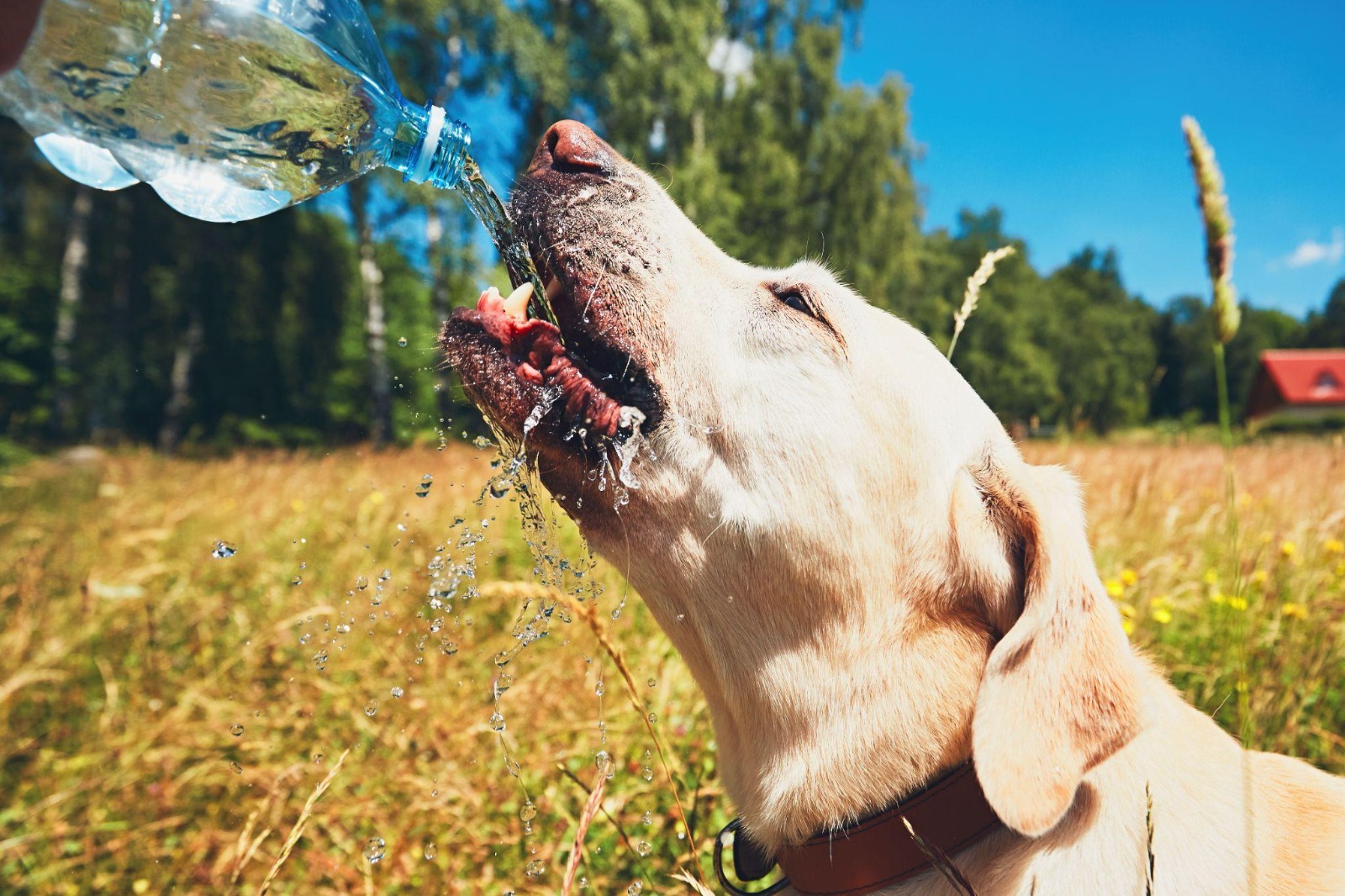


An older dog that ignores its water bowl is a common worry. Owners refill it, move it and even add ice cubes, and still the level barely drops. Food can be part of the answer, because what goes into the bowl at mealtimes counts towards a dog’s daily fluid intake just as much as what it laps up.
How much water a dog needs
A healthy dog needs roughly 50 to 60ml of water per kilo of body weight each day. A 20kg dog therefore needs around a litre, and more in hot weather or after a long walk.
Dry kibble contains only around 10 per cent moisture, so a dog fed purely on dry food has to drink almost all of that litre. Wet food is a different story, with moisture levels usually around 75 to 80 per cent. A dog eating wet meals takes in a good share of its water without going near the bowl.
Fussy eaters and the pull of gravy
Fussy dogs are often won over by the smell and texture of wet food. Chunks in gravy release more aroma than dry kibble, which helps tempt a dog that sniffs its bowl and walks away.
Small pouches are the easiest way to test this. Ranges such as Bobtail dog food include 85g pouches in chicken, liver and lamb, small enough to use as a topper on dry food rather than as a full meal. Stirring a pouch through the kibble adds moisture and flavour without changing the whole diet overnight.
Why older dogs drink less
Thirst often fades with age. Senior dogs may also have stiff joints that make the walk to the water bowl less appealing, sore teeth that put them off cold water, or a weaker sense of smell that dulls their interest in food and drink alike.
Drinking too little can lead to concentrated urine, constipation and low energy. Any sudden change in drinking habits, up or down, deserves a visit to the vet, because it can point to an underlying problem.
Signs your dog may need more fluid
A few quick checks at home give a rough idea of how well hydrated a dog is. The gums should feel moist and slippery rather than tacky, and if you gently lift the skin between the shoulder blades it should spring back straight away.
Dark yellow urine, sunken eyes and unusual tiredness are other clues. None of these replaces a vet’s check, but they help you spot a pattern before it turns into a bigger problem.
Making the switch gently
Any change in diet should be gradual. Start by replacing a small part of the dry meal with wet food and build up over a week or so, watching for loose stools. Adjust portions as you go, since wet food has fewer calories per gram and too many toppers can still add weight.
Warming wet food slightly, to around body temperature, can make it smell stronger and more appealing to an older dog. Stir it well afterwards to avoid hot spots.
Many owners settle on a mix rather than a full switch. Dry food for one meal and a moist meal for the other keeps costs manageable while still adding a useful amount of water to the day.
Other ways to sneak in water
Wet food works best alongside a few simple habits. Put several water bowls around the house, especially near the spot where an older dog sleeps. Some dogs prefer a wide, shallow bowl, and others drink more from a pet fountain with moving water.
Soaking kibble in warm water for ten minutes before serving is another easy option. Low salt broths made for dogs can be poured over food as an occasional treat, but human stock cubes are far too salty to use.
Small changes make the biggest difference for an ageing dog
Watching a dog slow down is hard, and daily battles over food and water can wear an owner down. The same psychological resilience that helps us through stressful spells at work also helps when an old dog refuses yet another meal. Patience, a tasty pouch of wet food and a water bowl moved closer to the bed often do more for an older dog than any dramatic change.