
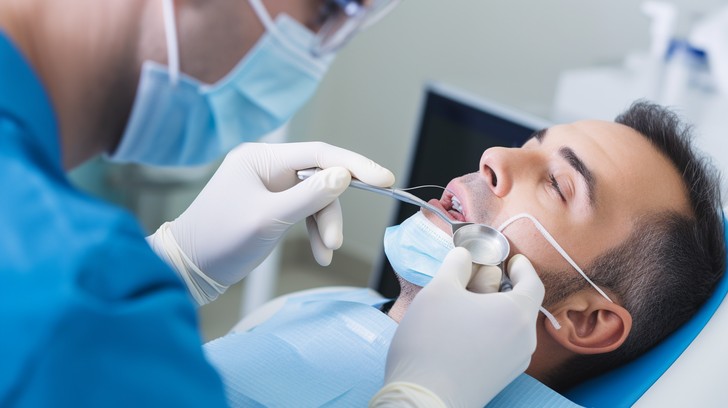


Teeth do not always make it obvious when something is wrong. A small area of decay, a change around the gums or a tiny crack in a filling can remain unnoticed for quite some time. By the time discomfort appears, the problem may have already become harder to treat. This is one reason regular dental appointments are useful, as they give a dentist the chance to spot changes before they develop into larger problems.
For anyone looking for a Dentist Gateshead, it is useful to know what a practice offers and what to expect from different types of dental care. The sections below cover the main treatments available at practices in the area, including those around Denmark Street, and explain what each service is generally used for.
Why Routine Visits Still Matter
A dental examination is not simply a quick look at the teeth. The NHS explains that check-ups involve an examination of the mouth along with advice tailored to the individual, and that the gap between appointments depends on the person rather than a fixed timetable. Someone with healthy gums, no fillings and a low risk of decay may be seen less often than someone managing gum disease or a history of restorative work.
During a typical appointment, a dentist would usually look at:
- The condition of the teeth, including any decay or wear
- Existing fillings, crowns and other restorations
- The health of the gums and surrounding soft tissues
- Any symptoms the patient has noticed, such as sensitivity or bleeding
- Whether any further assessment, such as an X-ray, may be helpful
Not every visit leads to treatment. Often the outcome is advice, reassurance and a date for the next review. Patients are entitled to have findings explained clearly, and the Care Quality Commission is clear that staff should listen to people and involve them in decisions about their care.
General Dentistry: The Everyday Foundation
General dentistry covers the routine, familiar treatments most people will need at some point. Practices in the area, including those offering care as a private Dentist Gateshead option, typically list treatments ranging from routine check-ups through to more advanced restorative work.
Common general treatments include:
- Fillings. Used to repair a tooth affected by decay or damage, restoring its shape and function.
- Crowns. The NHS notes that crowns may be fitted where a tooth has broken, decayed or been damaged. They can also support a bridge or protect a tooth after root canal treatment. Materials vary and can include porcelain, ceramic bonded to metal, or precious metals.
- Bridges. A fixed way of replacing one or more missing teeth using the neighbouring teeth for support.
- Root canal treatment. Also known as endodontics, this is used to treat infection at the centre of a tooth, with the aim of saving it rather than removing it.
What suits one patient may not suit another. A broken tooth might be restored with a filling in one case and need a crown or further assessment in another, which is why an examination always comes before any plan is agreed.
Gum Health and Hygiene Care
Gum problems are among the most common reasons people lose teeth, and they often develop without obvious discomfort. Bleeding when brushing, persistent bad breath, tenderness or gums that look as though they are pulling away from the teeth are all worth mentioning at an appointment.
Hygiene services are listed as a distinct treatment category by practices on Denmark Street, and dental hygiene is described there as the foundation of a healthy smile. A hygiene appointment may involve professional cleaning, advice on brushing and cleaning between the teeth, and a review of how the gums are responding over time.
Worth asking before booking:
- Whether gum health is assessed as part of a routine examination
- How findings are recorded and explained
- Whether hygiene appointments are preventive, treatment focused, or both
- How often follow-up visits are recommended
Practices in the area also reference periodontal treatment among their more advanced services, which can be relevant for patients with more established gum disease.
Replacing Missing Teeth
Teeth can be lost through trauma, decay or simply the effects of time. Replacement options generally include dentures, bridges and dental implants, and the right choice depends on the condition of the surrounding teeth and bone, the number of teeth missing, and the patient’s own priorities.
Dental implants are widely promoted by practices offering advanced care in Gateshead and Newcastle. In broad terms, an implant acts as a replacement root placed into the jawbone, which then supports a crown, bridge or denture. Practices on Denmark Street describe implants as a treatment for teeth lost through trauma, decay or ageing, and note that several implant systems have been used over the years.
Cost and suitability are influenced by a number of factors, including:
- The number of implants required
- The type of procedure and the case complexity
- The materials, brands and equipment involved
- Whether additional steps such as bone grafting or a sinus lift are needed
A free consultation for missing teeth is advertised locally, giving patients a chance to talk through the options and gather information before deciding whether implants are the right route. Anyone considering treatment should ask who will carry out each stage, what the timescale looks like and how the result will be maintained afterwards.
Teeth Straightening
Teeth straightening, or orthodontics, is another category listed by practices serving the Gateshead area. It is used to correct crowding, gaps, and bites that do not meet comfortably, which can affect both appearance and how easy the teeth are to clean.
Because systems and appliances vary considerably, and because treatment time depends on the individual case, it is sensible to ask a Dentist Gateshead practice which methods they provide, whether removable aligners or fixed braces are used, and whether any cases are managed through referral to another clinician.
Cosmetic Dentistry and Smile Design
Cosmetic dentistry covers treatments aimed mainly at appearance, including veneers, crowns used for aesthetic reasons, whitening and wider smile makeovers. Local practice information describes the first step as a consultation to discuss the patient’s concerns and the look they hope to achieve, followed by a discussion of the recommended options, treatment times and costs. Local anaesthetic may be needed depending on the procedure chosen.
A few sensible questions before agreeing to cosmetic work:
- Is the treatment clinically suitable, and are there alternatives?
- What does the total plan include, and how long might the result last?
- What aftercare or maintenance will be needed?
- Who will carry out the treatment?
Before and after images and patient stories published by practices are useful for seeing the style of work, but they are examples rather than a promise of an identical outcome.
Facial Aesthetics and Additional Services
Facial aesthetics appears alongside cosmetic dentistry and hygiene in the treatment categories listed by practices in the area. Specialist areas such as periodontics, endodontics, prosthodontics and CBCT imaging are also referenced, often in connection with referrals from other dental teams. Patients can ask whether a particular treatment is provided directly at the Gateshead location or arranged through a referral pathway.
What to Expect From the Patient Journey
Local practices set out a pathway that moves from consultation, to a dental health assessment, to a discussion of options, then a written report, treatment and finally maintenance. That structure is useful because it puts information and discussion before any commitment.
A good Dentist Gateshead experience usually involves:
- Clear explanation of the diagnosis and the available choices
- Time to ask questions without feeling rushed
- Written information covering the proposed plan
- An agreed approach to follow-up and maintenance
Patients can also check that the clinicians involved are registered with the General Dental Council, which is a legal requirement for practising dentistry in the UK.
Practical Details Worth Confirming
Practices on Denmark Street in Gateshead, NE8 1NQ, offer contact by telephone, online enquiry form and consultation booking form. Free consultations are advertised, particularly for those enquiring about missing teeth or unsure where to begin with improving their smile, with patient coordinators listed as a point of contact.
Two different opening hours schedules appear on the website, so anyone planning a visit should confirm the current times directly. It is also worth asking about:
- Urgent appointments and what happens outside opening hours
- Accessibility, parking and travel arrangements
- Whether new patients are currently being accepted
- Support available for nervous patients
A Sensible Approach
Choosing a Dentist Gateshead practice comes down to three practical things: knowing which services are offered, understanding how treatment will be explained and planned, and feeling comfortable asking questions. Routine check-ups, steady gum care and honest conversations about options tend to prevent far more problems than they create. For most people, that steady, unremarkable pattern of care is exactly what keeps more complicated treatment off the table.