
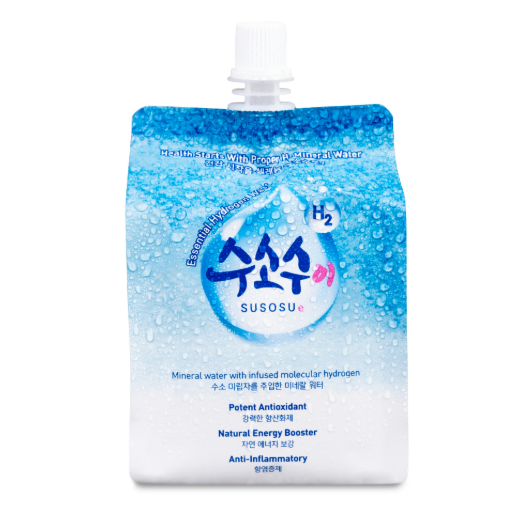


Understanding Hydration and Its Importance
Hydration is a fundamental aspect of maintaining overall health and wellbeing. It refers to the body’s process of absorbing water and other fluids to support its various functions. Adequate hydration is essential for numerous bodily processes, including digestion, temperature regulation, and nutrient transport. Water constitutes a significant portion of our body, making up about 60% of an adult’s body weight, and plays a critical role in ensuring the efficient functioning of nearly every system.
The importance of hydration extends beyond mere thirst quenching; it is vital for the optimal performance of the cardiovascular system, the maintenance of energy levels, and the promotion of healthy skin. Furthermore, hydration significantly influences digestion. Sufficient fluid intake helps in breaking down food, making nutrients available for absorption, and preventing common digestive issues such as constipation and bloating. Hydrated cells function more efficiently, enabling better metabolic processes.
To maintain proper hydration, it is generally recommended that adults consume around 2 to 3 liters (or approximately 8 to 12 cups) of fluids a day. However, individual hydration needs can vary based on several factors. These include one’s age, sex, weight, activity level, and climate. For instance, individuals who exercise regularly or are exposed to hot weather may require higher fluid intake to compensate for fluid loss through sweat. Additionally, certain health conditions and dietary choices can also affect hydration needs. For example, high salt intake can lead to increased water requirements as the body works to balance electrolyte levels.
In conclusion, understanding hydration and its critical importance is essential for ensuring optimal health. Monitoring fluid intake and being mindful of the factors that influence hydration can significantly impact daily life, enhancing energy levels, promoting efficient digestion, and contributing to overall wellbeing.
The Role of Water in Digestion
Water is an essential component of the human body, playing a crucial role in various physiological processes, particularly digestion. It aids in the breakdown of food and ensures that nutrients are efficiently absorbed by the body. The digestive system relies on an adequate supply of water to function optimally.
One of the primary ways in which water supports digestion is through its contribution to saliva production. Saliva is composed mainly of water, and it contains enzymes that initiate the breakdown of carbohydrates. Increased hydration leads to an increase in saliva production, facilitating easier chewing and swallowing of food. This, in turn, sets the stage for a more effective digestive process.
Moreover, hydration is vital for the stomach’s secretion of gastric juices, which contain hydrochloric acid and digestive enzymes necessary for breaking down proteins and other nutrients. Without sufficient water intake, the body may struggle to produce enough gastric fluids, leading to digestive difficulties and a less efficient absorption of nutrients.
Additionally, water plays a pivotal role in preventing digestive issues such as constipation. Insufficient hydration can result in bowel movements becoming hard and difficult to pass. Proper hydration helps to soften stool and promotes regular bowel function by aiding in the movement of food through the intestines. By ensuring an adequate fluid intake, individuals can reduce the risk of constipation and other related gastrointestinal problems.
Moreover, water contributes to the overall health of the intestines by preventing dehydration and supporting the balance of beneficial intestinal bacteria. A well-hydrated digestive tract promotes a conducive environment for these bacteria, which are crucial for maintaining gut health and enhancing nutrient absorption.
In summary, water is indispensable for effective digestion. Its role extends from aiding in saliva production to ensuring proper gastric functions and preventing digestive complications. Given the significant impact hydration has on the digestive process, it is paramount for individuals to maintain adequate fluid intake for optimal digestive health.
Hydration and Energy Levels: The Connection
Hydration plays a crucial role in maintaining optimal energy levels throughout the day. When the body is well-hydrated, it can function more effectively, which directly impacts physical performance and mental alertness. Conversely, dehydration can lead to fatigue, reduced endurance, and diminished cognitive functions. Studies have demonstrated that even mild dehydration can significantly affect mood and increase perceived effort during exercise.
The human body loses water through various daily activities, including sweating, breathing, and even through urine. Therefore, it is essential to replenish lost fluids regularly. The recommended daily water intake varies based on several factors, such as age, activity level, and environmental conditions. For individuals engaging in regular physical activities, understanding the importance of hydration is even more pertinent. Proper fluid intake aids in thermoregulation, optimal digestion, and nutrient absorption, all of which are essential for sustaining energy levels.
Moreover, hydration is not solely about drinking water; it also encompasses the intake of fluids from other beverages and foods. For instance, fruits and vegetables contribute to overall fluid intake and can enhance hydration. Maintaining a balanced intake of electrolytes, such as sodium and potassium, further supports hydration status, particularly during long periods of exercise when electrolyte loss is more pronounced.
In summary, the link between hydration and energy levels is undeniable. Ensuring adequate fluid intake not only enhances physical performance but also bolsters mental clarity. By prioritizing hydration, individuals can significantly improve their overall wellbeing and effectively combat feelings of fatigue. Therefore, recognizing the signs of dehydration and responding to them promptly is vital for sustaining energy and optimizing health.
How Hydration Affects Nutrient Transport and Metabolism
Water is an essential component of the human body, playing a pivotal role in various physiological functions, including nutrient transport and metabolism. Proper hydration is vital not only for maintaining overall health but also for optimizing the body’s ability to deliver nutrients to cells and facilitate cellular processes.
One of the primary functions of water in the body is its ability to act as a medium for transporting nutrients. When food is consumed, it undergoes digestion, breaking down into smaller molecules. Water is necessary for this process as it dissolves these nutrients, enabling their absorption into the bloodstream. Once in the circulatory system, water helps to carry these dissolved nutrients, such as vitamins, minerals, glucose, and amino acids, to various tissues and organs that require them. This transport mechanism is essential for energy production, growth, and repair.
Moreover, hydration is integral to metabolic processes. Water participates in chemical reactions during metabolism, including those that convert food into energy. Enzymatic reactions, which are crucial for processing carbohydrates, proteins, and fats, rely on a sufficient water supply. Dehydration can impair these processes, leading to decreased energy levels and efficiency in nutrient utilization. Additionally, water helps in the elimination of waste products resulting from metabolic activities, thereby ensuring that the body operates effectively and healthily.
Furthermore, staying adequately hydrated can enhance overall wellbeing. Proper hydration contributes to maintaining optimal body temperature and physiological balance, which are vital for the body’s metabolic functions. Individuals who regularly drink enough water report higher energy levels and improved concentration. In conclusion, adequate hydration is essential not only for nutrient transport but also for maximizing metabolic efficiency, with significant implications for overall health and vitality.
Signs of Dehydration and Its Effects on Wellbeing
Dehydration occurs when the body loses more fluids than it takes in, leading to a deficiency that can significantly impact overall wellbeing. Recognizing the early signs of dehydration is essential for maintaining good health. Common symptoms include persistent thirst, dry mouth, fatigue, and dark yellow urine, which are initial indicators that the body requires more fluids. As dehydration progresses, physical symptoms may become more severe, such as dizziness, rapid heartbeat, and dry skin.
The effects of dehydration extend beyond physical health; it also plays a crucial role in cognitive function and mental clarity. Individuals may experience difficulty concentrating, increased irritability, and even mood swings as a result of inadequate fluid intake. The link between hydration and brain function is vital, as even mild dehydration can impair cognitive performance and increase the perception of task difficulty.
Additionally, dehydration affects energy levels and can hinder physical performance. Athletes, in particular, may notice a decline in endurance, strength, and overall performance when they are not properly hydrated. This can lead to decreased motivation and potential injuries during physical activities, further exacerbating the impact on wellbeing.
Moreover, chronic dehydration can lead to more serious health issues, such as kidney stones and urinary tract infections, as the body struggles to filter toxins without adequate fluid. Therefore, recognizing the signs of dehydration and understanding its effects on physical and mental health is crucial for promoting overall wellbeing. Maintaining proper hydration is fundamental to our daily functions and can help enhance both our physical vitality and mental clarity.
The Mind-Body Connection: Hydration and Mental Health
Hydration plays a pivotal role not only in physical health but also significantly impacts mental health. Numerous studies suggest a strong relationship between hydration levels and various aspects of cognitive function, including mood and emotional well-being. When the body is adequately hydrated, individuals tend to exhibit higher cognitive performance, improved concentration, and enhanced mood stability.
Research has demonstrated that even mild dehydration can lead to noticeable effects on mental performance. A study from the University of Connecticut found that participants who were mildly dehydrated reported increased feelings of fatigue, tension, and anxiety compared to those with optimal hydration levels. This correlation suggests that maintaining proper hydration can be a crucial factor in managing stress and anxiety levels.
Furthermore, dehydration has been linked to mood disturbances, including symptoms often associated with depression. For instance, another study indicated that subjects who consumed adequate fluids were less likely to experience feelings of lethargy and sadness. This connection highlights the importance of hydration in regulating not only physical energy but also emotional clarity and resilience.
Moreover, the physiological mechanisms behind these observations involve the influence of hydration on neurotransmitters that regulate mood. Adequate water intake supports the balance of neurotransmitters like serotonin and dopamine, which are critical for maintaining a positive mood and preventing mood disorders. Therefore, ensuring sufficient fluid intake can be an effective strategy in promoting mental health and well-being.
In essence, addressing hydration should be a fundamental aspect of mental health considerations. By prioritizing drinking enough fluids daily, individuals can potentially enhance their mood, alleviate anxiety, and support their cognitive function. The link between hydration and mental health underscores the need for a holistic approach to well-being, integrating both physical and emotional health strategies.
Optimal Hydration Strategies for Everyday Life
Maintaining optimal hydration is essential for health and wellbeing. To increase water intake effectively, integrating water-rich foods into one’s diet is a practical strategy. Fruits and vegetables such as watermelon, cucumbers, oranges, and lettuce can significantly contribute to overall hydration. By incorporating these foods into meals and snacks, individuals can enhance their water consumption effortlessly without relying solely on drinking water.
Setting hydration reminders can serve as a beneficial tool for those who often forget to drink enough fluids throughout the day. Utilizing smartphone applications or setting alarms can prompt individuals to take regular sips of water. This practice not only helps in remembering to hydrate but also instills a habit of consistent water consumption. Additionally, keeping a water bottle nearby serves as a visible reminder, encouraging individuals to drink more often.
Another effective approach is to personalize hydration choices based on activity levels. For example, individuals engaging in rigorous physical activity or those working in hot environments may need to increase their fluid intake to replenish lost fluids. Recognizing the body’s hydration needs during varying levels of exertion is crucial. Tailoring water intake according to personal lifestyle, and activity levels promotes better overall hydration and health outcomes.
Furthermore, it can be helpful to develop a hydration routine that fits seamlessly into daily life. For instance, drinking a glass of water before each meal or setting a goal to finish a specific amount of water by midday can bolster the habit of staying hydrated. By integrating these practical strategies, individuals can ensure they meet their hydration needs consistently, contributing positively to their digestion, energy levels, and general wellbeing.
Myth Busting: Common Misconceptions About Hydration
Hydration is a critical component of health and well-being, yet many misconceptions persist regarding the best practices for maintaining adequate fluid intake. One prevalent myth is the belief that all fluids contribute equally to hydration. While it is true that beverages such as water, herbal teas, and even certain juices can help keep us hydrated, the reality is that some drinks may lead to dehydration. For instance, drinks containing caffeine or alcohol can act as diuretics, which means they promote the production of urine and can lead to a net loss of fluids in the body.
Another common misconception is that one must drink eight 8-ounce glasses of water daily to be adequately hydrated. While this guideline can serve as a general rule of thumb, individual hydration needs vary greatly based on factors such as age, sex, activity level, and environmental conditions. For example, athletes or individuals living in hot climates may require significantly more fluids to stay hydrated compared to those in temperate regions.
Many people also hold the belief that feelings of thirst are the best indicator of hydration status. While thirst is a natural signal that the body needs fluids, it is not always the most reliable indicator, especially in older adults or individuals taking certain medications. In such cases, it might be beneficial to adopt a proactive approach to hydration, ensuring regular fluid intake throughout the day rather than waiting to feel thirsty.
To combat these misconceptions, health professionals recommend focusing on water consumption, as it is the most effective way to achieve proper hydration. Incorporating whole foods with high water content, such as fruits and vegetables, can also play a significant role in maintaining fluid balance. Paying attention to one’s body and adjusting fluid intake accordingly can greatly enhance overall well-being and digestion.
The Long-Term Benefits of Staying Hydrated
Proper hydration plays a crucial role in maintaining overall health and has profound long-term benefits that go beyond immediate physical well-being. Ensuring adequate fluid intake contributes significantly to chronic disease prevention, improved quality of life, and enhanced longevity. When the body is well-hydrated, it operates more efficiently, supporting all physiological functions including digestion, circulation, and temperature regulation.
One of the most noticeable impacts of staying hydrated is its effect on chronic disease prevention. Research suggests that adequate hydration may reduce the risk of conditions such as kidney stones, urinary tract infections, and even chronic diseases like cardiovascular disorders. Water helps to flush out toxins and waste products, reducing the burden on the kidneys and supporting overall kidney health. Additionally, there is evidence to suggest that proper hydration can help in maintaining healthy blood pressure levels, thereby reducing cardiovascular risks.
Furthermore, hydration is critical for maintaining cognitive function and emotional well-being. Chronic dehydration can lead to fatigue, irritability, and a decrease in mental clarity. By drinking enough water throughout the day, individuals are likely to experience improved mood and enhanced cognitive performance, which are fundamental aspects of a better quality of life. Hydration also influences the skin’s health, contributing to a more youthful appearance by maintaining skin elasticity and preventing dryness.
Finally, staying hydrated has an essential role in promoting longevity. Studies have shown that adequate water consumption is linked to a lower risk of mortality from all causes. The maintenance of bodily functions through hydration supports metabolic processes necessary for energy production and cellular repair, which can be crucial for aging populations. Thus, prioritizing hydration is fundamental to not only achieving immediate health benefits but also fostering a longer, healthier life.