


Understanding Liver Health
The liver is one of the most vital organs in the human body, responsible for performing numerous essential functions that contribute to overall health and wellness. It plays a critical role in metabolism, which includes the conversion of nutrients from the food we consume into energy the body can use. This metabolic process enables the liver to regulate blood sugar levels, ensuring a consistent energy supply for bodily functions.
In addition to its metabolic responsibilities, the liver serves as a primary detoxifying agent. It filters blood to remove harmful substances and toxins, including medications, alcohol, and environmental pollutants. This detoxification process is crucial for preventing the accumulation of harmful substances that can lead to various health issues. The liver also helps process and eliminate waste products from the body, further underscoring its importance in maintaining homeostasis.
Liver health is paramo
unt not just because of these functions, but also due to its role in nutrient storage. The liver stores significant amounts of essential vitamins and minerals, such as vitamin A, vitamin D, vitamin B12, and iron. By maintaining these nutrient reserves, the liver ensures that the body has access to vital resources when needed, especially during periods of fasting or increased physical activity.
However, various factors can compromise liver health. Common liver health issues include fatty liver disease, hepatitis, and cirrhosis, which can significantly impact liver function and overall wellness. Lifestyle choices, such as excessive alcohol consumption, poor diet, and lack of exercise, can exacerbate these conditions. Therefore, it is crucial to adopt healthy habits and nutritional practices to support liver function.
In conclusion, understanding the multifaceted roles of the liver in metabolism, detoxification, and nutrient storage is essential for promoting liver wellness. By recognizing the potential health issues that can affect the liver and making informed lifestyle choices, individuals can enhance their overall health and longevity.
Nutrients Essential for Liver Function
The liver plays a critical role in maintaining overall health and wellness, and specific nutrients are crucial for its optimal function. A balanced intake of vitamins, minerals, and antioxidants can support liver health, facilitating its vital roles in detoxification, metabolism, and energy production.
One of the key vitamins essential for liver function is Vitamin A. It is instrumental in regulating the storage of glycogen and the metabolism of fats. Adequate levels of this vitamin can prevent liver disorders, while also contributing to the immune system and vision health. Another important nutrient is Vitamin E, known for its antioxidant properties. It helps protect liver cells from oxidative stress, which can lead to inflammation and damage.
Furthermore, B vitamins, particularly B6, B12, and folate, play a significant role in liver health. These vitamins facilitate the conversion of nutrients into energy and assist in the synthesis of important compounds, including amino acids. They also support liver detoxification processes, helping to remove harmful substances from the body.
Minerals such as zinc and selenium are also vital for liver function. Zinc is involved in numerous enzymatic reactions crucial for metabolic pathways, while selenium acts as an antioxidant, aiding in the protection against liver damage. Deficiencies in these minerals can lead to impaired liver function and subsequent health issues.
Antioxidants, including those found in a variety of fruits and vegetables, also contribute significantly to liver health. Compounds such as glutathione, which is produced in the liver, detoxify harmful substances and help maintain cellular integrity. Diets rich in colorful fruits and vegetables provide the antioxidants needed to support these essential liver functions.
In understanding these vital nutrients, it is apparent that a well-rounded diet plays a fundamental role in promoting liver health and, by extension, overall wellness. This integration of nutrition into daily life can help preserve liver function throughout one’s lifespan.
The Role of Hydration in Liver Health
Proper hydration plays a pivotal role in maintaining optimal liver health and functionality. The liver is a key organ in the detoxification process, requiring adequate water intake to effectively eliminate toxins from the body. When the body is sufficiently hydrated, the liver can perform its necessary functions, including filtering blood, metabolizing substances, and producing vital proteins and enzymes.
The recommended daily fluid intake varies based on factors such as age, sex, activity level, and climate. However, a general guideline suggests that individuals should aim for approximately 2 to 3 liters of water daily. This helps to ensure that the liver operates efficiently, supporting overall metabolic functions. Beyond water, hydrating foods such as fruits, vegetables, and broths can also contribute significantly to daily fluid consumption.
Staying adequately hydrated can assist in enhancing liver function by promoting better circulation. Proper hydration helps to thin the blood, facilitating easier flow through the liver. This improves the organ’s ability to transport nutrients and remove waste products. Additionally, dehydration can lead to increases in the concentration of harmful substances within the liver, hindering its detoxifying capabilities. This emphasizes the importance of consistent water intake throughout the day rather than consuming large quantities in a single sitting.
To enhance hydration practices, individuals can set reminders to drink water regularly, keep a water bottle handy, or incorporate hydrating foods into meals and snacks. Herbal teas and infused waters with fruits or herbs can also encourage fluid intake while adding flavor. Overall, maintaining proper hydration is essential for liver health and contributes significantly to the body’s detoxification processes and metabolic efficiency.
Foods to Include for Optimal Liver Function
Maintaining a healthy liver is crucial for overall wellness, and certain foods can significantly contribute to its optimal function. Incorporating a range of nutrient-dense foods into your diet can support liver health, promoting detoxification and vitality.
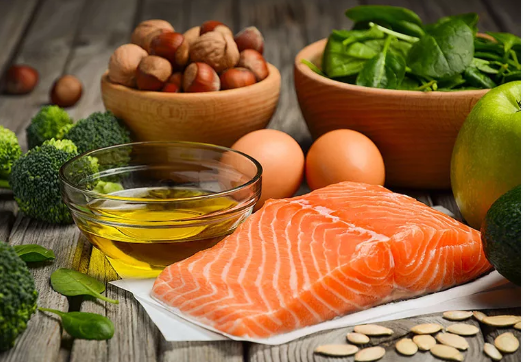
Leafy greens, such as spinach, kale, and arugula, are excellent choices for liver support. These vegetables are rich in chlorophyll, which aids in neutralizing toxins and improving liver function. Including a variety of leafy greens in salads, smoothies, or as cooked sides can easily boost your overall intake.
Cruciferous vegetables, including broccoli, Brussels sprouts, and cauliflower, are equally beneficial. They contain compounds that enhance the liver’s ability to produce enzymes responsible for detoxifying harmful substances. To incorporate more cruciferous vegetables into your meals, try steaming or roasting them, adding them to stir-fries, or mixing them into hearty soups.
Healthy fats, particularly omega-3 fatty acids found in fatty fish such as salmon and walnuts, contribute to liver wellness. These fats help reduce inflammation and promote better liver function. Ensuring a good balance of healthy fats in your diet can be accomplished by including a serving of fish several times a week or snacking on nuts and seeds.
Lean proteins are also essential for liver health, as they assist in the regeneration of liver cells. Options such as chicken, turkey, legumes, and tofu provide necessary amino acids without burdening the liver. Including a source of lean protein at every meal can enhance your nutritional profile while supporting liver repair and detoxification processes.
Incorporating these foods into your daily meals can be straightforward and delicious. For example, you can start your day with a smoothie packed with leafy greens, followed by a lunch featuring a cruciferous vegetable salad topped with grilled chicken. Dinner could consist of baked salmon with a side of stir-fried broccoli and quinoa. Such combinations ensure you enjoy a variety of nutrients that foster optimal liver function.
Foods to Avoid for Liver Wellness
Maintaining a healthy liver is crucial for overall wellness, and certain foods can pose risks to liver function. Primarily, excessive consumption of sugar is detrimental. High sugar intake can lead to the accumulation of fat in liver cells, contributing to non-alcoholic fatty liver disease (NAFLD). It’s advisable to limit foods and beverages with added sugars, such as soft drinks, candy, and many processed snacks. These high-sugar items can promote fat storage in the liver, leading to potential harm over time.
Another significant factor affecting liver health is alcohol consumption. Alcoholic beverages can cause inflammation and scarring of liver tissues, impairing its ability to function properly. Chronic alcohol consumption is a leading cause of liver disease, including alcoholic hepatitis and cirrhosis. To promote liver wellness, it is essential to either limit alcohol intake or avoid it altogether. If consuming alcohol, moderation is key, with guidelines suggesting no more than one drink per day for women and two for men.
Additionally, trans fats, commonly found in many fried foods, baked goods, and margarine, present another adversarial element for liver health. These unhealthy fats can raise bad cholesterol levels and contribute to the risk of liver disease by increasing inflammation. It is recommended to check food labels diligently for trans fats and to avoid partially hydrogenated oils, which are often the source of these harmful fats.
Incorporating dietary changes can significantly improve liver wellness. Focusing on whole foods, such as vegetables, fruits, whole grains, and lean proteins, while consciously avoiding high sugar, excessive alcohol, and trans fat-rich products will support a healthier liver. Comprehensive awareness of what to minimize in the diet is critical for enhancing liver function and ensuring overall well-being.
The Impact of Alcohol on Liver Health
The consumption of alcohol has significant effects on liver health, necessitating a well-informed approach to moderation. The liver is responsible for metabolizing alcohol, which can lead to various health complications when consumed in excess. Chronic alcohol abuse is a leading cause of liver diseases, including fatty liver, alcoholic hepatitis, and cirrhosis. Understanding the direct relationship between alcohol intake and liver function is crucial for maintaining overall wellness.
In moderate amounts, alcohol may not pose a severe threat to liver health for most individuals; however, the definition of moderation can vary widely among different people depending on their health status, weight, and genetic factors. Generally, moderate drinking is defined as up to one drink per day for women and two drinks per day for men. Exceeding these limits consistently may lead to an increased risk of liver damage.
Strategies to maintain a balanced approach toward alcohol consumption include setting limits on the frequency and quantity of drinking and seeking alternatives, such as non-alcoholic beverages. It is also advisable to prioritize hydration and nutrient-rich foods to alleviate the metabolic strain on the liver. Regular health check-ups can further aid in monitoring liver function and detecting potential issues before they become serious.
Furthermore, individuals with pre-existing liver conditions should be especially cautious and consult healthcare professionals regarding alcohol use. Education concerning the risks associated with alcohol consumption is essential in promoting liver health and preventing diseases. By adopting a balanced and mindful approach to drinking, individuals can support not only their liver health but also their overall wellness in the long run.
Food Preparation Methods for Liver Health
Maintaining a healthy liver is paramount in supporting overall wellness. One effective way to promote liver function is through the selection of appropriate cooking techniques. The methods used for preparing food can significantly influence both the nutritional value of what we eat and the strain we place on our liver. Therefore, opting for methods that enhance the healthfulness of meals is essential.
Cooking techniques such as steaming, baking, and grilling are highly recommended for liver health. Steaming, in particular, preserves the nutrients in vegetables and avoids the need for additional fats, which can burden liver function. By keeping food moist without added oils, steaming not only retains the vibrant colors and flavors of ingredients but also supports metabolic processes. Additionally, foods prepared using this method are often easy to digest, providing further benefits to liver health.
Baking is another favorable method, especially when used for whole grains, lean proteins, and an assortment of vegetables. Unlike frying, which typically involves submerging food in oils, baking allows food to be cooked evenly and healthily while reducing caloric content. For instance, a baked dish can be seasoned with herbs and spices, offering flavor without the extra fat commonly associated with fried counterparts.
Grilling is also a beneficial technique, as it allows fats to drip away from the food during cooking. This method not only enhances the taste but also helps maintain the integrity of the food’s natural properties, making it a great option for liver-friendly meals. Using a grill allows cooks to prepare meat, fish, and vegetables in a manner that encourages the use of healthy marinades and prevents unnecessary oils from being added.
In contrast, frying and heavy cooking methods should be approached with caution. These techniques often introduce excess fats and calories, which can hinder liver function and overall health. Heavy cooking methods create dishes that are rich and dense, which may overwhelm the liver’s ability to process them effectively.
In conclusion, embracing healthier food preparation methods such as steaming, baking, and grilling can significantly contribute to liver health. By avoiding frying and heavy cooking, individuals can support their liver function and promote overall wellness through mindful eating habits.
Lifestyle Factors Supporting Liver Wellness
Maintaining a healthy liver is crucial for overall well-being, and while nutrition plays a significant role, various lifestyle factors also contribute to optimal liver function. One of the foremost factors is regular physical activity. Engaging in consistent exercise helps streamline metabolic processes and improves circulation, ultimately supporting liver health. Exercise facilitates weight management, which is essential because excess body weight can lead to fat accumulation in the liver, potentially causing fatty liver disease.
Moreover, it is vital to aim for a balanced weight through a combination of dietary choices and physical activity. Being overweight is linked to several liver conditions, including non-alcoholic fatty liver disease (NAFLD). Therefore, adopting a weight-control strategy that incorporates healthy eating and regular physical activity can significantly benefit liver function.
In addition to exercise and weight management, managing stress effectively is another critical aspect of maintaining liver health. Chronic stress can lead to the release of stress hormones, which may adversely affect liver function over time. Practicing stress-reduction techniques such as mindfulness, meditation, or yoga can promote a balanced lifestyle and provide a sense of relaxation. Creating a supportive environment through social connections and engaging in enjoyable activities also contributes to better stress management.
Furthermore, ensuring adequate sleep is vital for liver health. The liver performs essential regenerative functions during sleep, and insufficient rest can hamper these processes. Thus, aiming for 7-9 hours of quality sleep each night should be a part of a holistic approach to liver wellness.
While nutrition forms the foundation of liver health, these lifestyle factors—regular exercise, maintaining a healthy weight, managing stress, and getting sufficient sleep—are equally important in supporting liver function and overall well-being. By incorporating these practices into daily routines, individuals can foster a healthier liver and improve their overall wellness.
Creating a Sustainable Eating Plan for Liver Health
Developing a balanced and sustainable eating plan is crucial for supporting healthy liver function. This plan should prioritize liver-friendly foods that contribute to overall wellness. To begin, it is essential to incorporate a variety of fruits and vegetables into daily meals. These food groups are rich in essential vitamins, minerals, and antioxidants, which help combat oxidative stress and support liver detoxification processes.
When planning meals, focus on whole grains like brown rice, quinoa, and whole wheat products instead of refined grains. Whole grains provide important nutrients and fiber, which aids digestion and helps in maintaining a healthy weight, reducing the burden on the liver. Lean proteins, such as fish, chicken, legumes, and tofu, should also be included to provide the necessary building blocks for tissue repair and metabolic functions.
Avoiding highly processed foods, sugars, and unhealthy fats is equally important. These items may contribute to liver strain and should be limited in a sustainable eating plan. Instead, opt for healthier alternatives, such as using olive oil or avocado instead of butter, and satisfying sweet cravings with fresh fruits instead of sugary snacks.
Meal prepping can help individuals make healthier choices during busy days. Setting aside time each week to prepare balanced meals ensures that liver-friendly options are readily available, minimizing the temptation to indulge in less healthy options. Consider using a variety of cooking methods, including steaming, grilling, and baking, to keep meals exciting and flavorful.
Finally, making gradual dietary changes fosters long-term adherence to this eating plan. Small adjustments, such as adding a new vegetable each week or incorporating a fish meal several times a week, can lead to significant benefits over time. By establishing a sustainable eating plan that prioritizes liver health, individuals can enhance their well-being and promote optimal liver function.