


Why does timing matter in cancer?
Cancer treatment often comes down to timing. When a cancer is found before it has grown extensively or spread to distant parts of the body, doctors may have more treatment choices and a better chance of controlling the disease.
Cancer is not one disease. Different cancers grow and spread at different rates, and the stage at diagnosis can affect which treatments are appropriate and how difficult treatment may be. Screening can find some cancers before symptoms appear, when they may be easier to treat.
What can change when cancer is found early?
The biggest difference is often the number of treatment options available. A cancer that is confined to its original site may sometimes be treated with surgery, radiation, or another local treatment. Once cancer has spread, treatment may need to address disease in several parts of the body.
Earlier diagnosis can also affect the intensity and duration of treatment. Depending on the cancer and its stage, a patient may be able to avoid some of the more extensive treatments that can be required for advanced disease.
There can be an important quality-of-life benefit, too. Treating a smaller or more localized cancer may involve fewer complications than treating cancer that has already affected other organs or tissues.
Screening can find some cancers before symptoms appear
Cancer screening is designed to look for disease in people who do not have symptoms. That makes it different from a diagnostic test, which is generally used when a person has symptoms, an abnormal finding, or another reason to suspect cancer.
Screening has been shown to reduce deaths from certain cancers, including breast, cervical, colorectal, and lung cancer. For some cancers, screening can also find precancerous changes that can be treated before they become cancer.
Screening is not appropriate for every cancer, and every screening test has potential harms. False-positive results can lead to anxiety and additional testing, while false-negative results can provide false reassurance. Some screening can also detect cancers that would never have caused symptoms during a person’s lifetime.
Screening and early diagnosis are different
These terms are often used together, but they describe different situations. Screening looks for cancer before symptoms appear. Early diagnosis usually begins when a person has symptoms or an abnormal finding and the cancer is identified sooner rather than later.
Both approaches can matter. A screening program may detect a tumor at an earlier stage, while prompt evaluation of symptoms can prevent a potentially serious disease from going undiagnosed for months.
That is why persistent or unusual symptoms should not simply be ignored because someone is up to date with routine screening. Screening cannot replace medical evaluation when something has changed.
Who may need a different screening approach?
Standard screening recommendations are designed for people at average risk. Someone with a strong family history, a known genetic risk, significant occupational exposure, or other risk factors may need a different discussion with a physician.
For higher-risk groups, the goal is to understand the person’s individual risk and decide whether additional testing is appropriate. Genetic counseling or testing may be useful in some families. People with significant occupational exposures may also benefit from specialized screening programs.
Vincere Cancer Center has developed screening programs for groups considered to have elevated cancer risk, including first responders.
What about newer cancer detection tests?
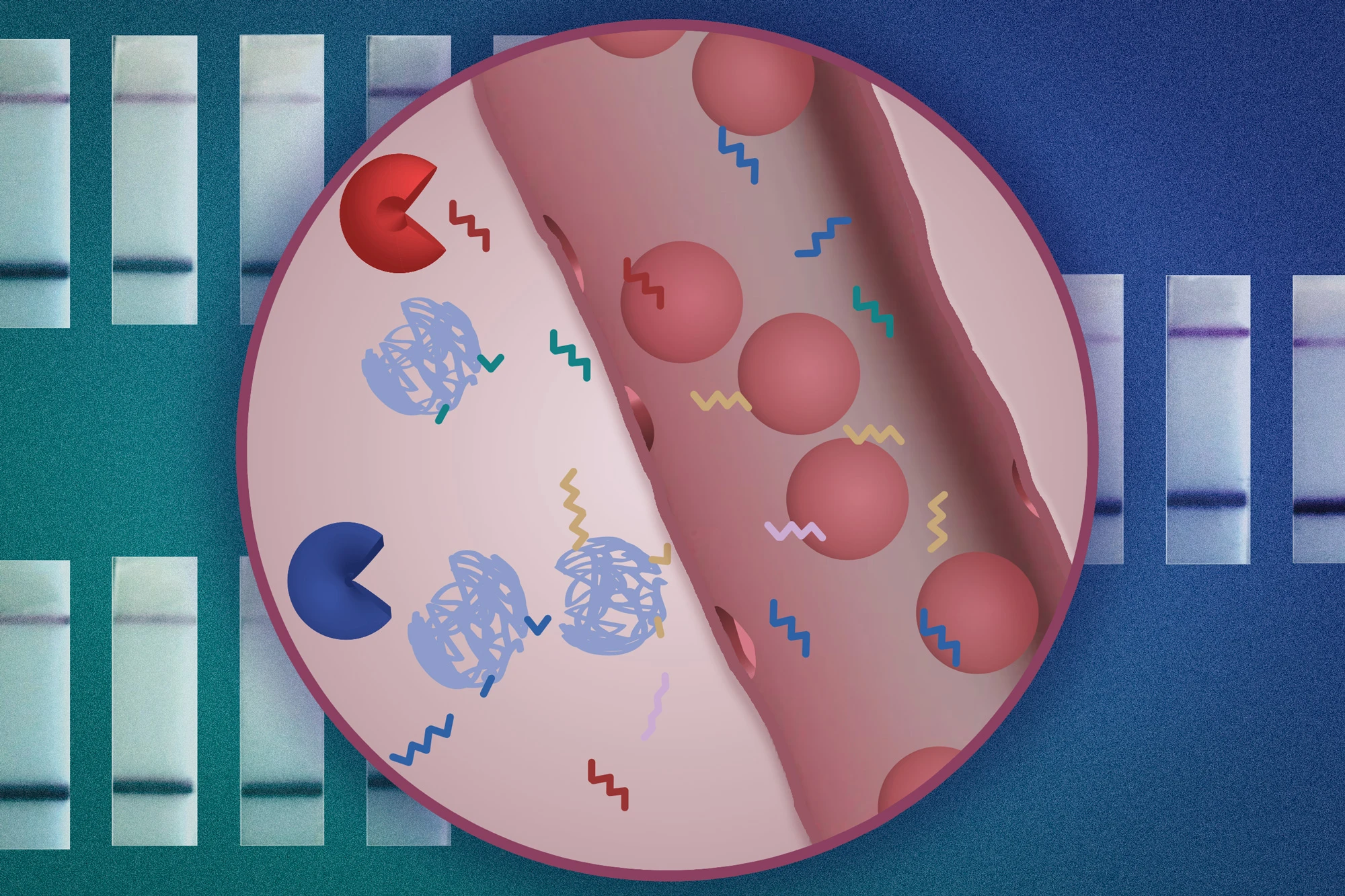
Multi-cancer early detection tests, sometimes called MCED tests, are being studied as a way to look for signals associated with multiple cancers from a single blood sample. These tests are promising areas of research, but they are not yet a replacement for established cancer screening.
The American Cancer Society notes that MCED tests are not diagnostic tests. A positive result requires follow-up testing to determine whether cancer is actually present, while a negative result does not guarantee that a person is cancer-free.
The bigger question is whether these tests ultimately reduce cancer deaths without causing unnecessary procedures or treatment. Researchers are still working to establish those benefits and risks.
Early detection has limits
Finding cancer early can make a major difference, but it does not guarantee a cure. Some cancers are aggressive even when found at an early stage, and some cancers do not currently have effective screening tests.
There is also a difference between finding a cancer earlier and actually improving a patient’s outcome. Researchers consider issues such as overdiagnosis and lead-time bias when evaluating screening programs. A test may find a cancer earlier without necessarily extending the person’s life if that cancer would not otherwise have caused harm.
That is why established screening recommendations matter. The best approach depends on the cancer, the person’s age and risk factors, the accuracy of the test, and the evidence showing that screening provides more benefit than harm.
What should you do about early cancer detection?
Start with the screening recommendations that apply to you. Talk with your doctor about your age, family history, lifestyle, previous medical findings, and any known risk factors.
If you have symptoms that concern you, seek medical evaluation rather than waiting for your next routine screening appointment. Symptoms such as unexplained bleeding, a new lump, persistent changes in bowel or bladder habits, unexplained weight loss, or a persistent cough can have many causes, but they deserve appropriate evaluation when they do not resolve.
If you have a higher-than-average risk, ask whether you need a more individualized screening plan. The right strategy may involve more frequent screening, genetic evaluation, or specialized testing, depending on your circumstances.
Early detection is about giving treatment more room to work
Early cancer detection can change the path of care. Finding a cancer before it has spread may give physicians more treatment options, reduce the extent of treatment in some cases, and improve the odds of long-term control.
The key is using the right test for the right person at the right time. Established screening programs have strong evidence behind them for certain cancers, while newer detection technologies continue to be studied.
For patients, the practical step is simple: know your risk, follow appropriate screening recommendations, and take persistent symptoms seriously. Earlier information can give you and your medical team more choices.
About the Author
Dr. Pablo Prichard, MD is a board-certified reconstructive surgeon and co-founder of Vincere Cancer Center in Scottsdale, Arizona. He has practiced in the Phoenix and Scottsdale area for approximately 20 years and has been involved in early cancer screening programs for firefighters and other higher-risk groups.