
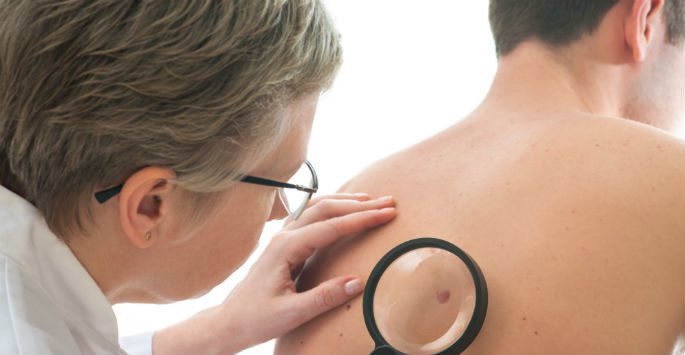


On-site skin cancer screening brings a targeted skin check directly to a workplace or organisation. It gives workers a convenient opportunity to have visible spots examined and learn which changes may require assessment by a doctor.
Why Is Workplace Skin Screening Important in Australia?
Cancer Council Australia advises people to watch for new or changing spots and seek medical advice about anything unusual. Skin cancers are often noticed visually, which makes skin awareness and timely professional assessment important.
- Australia has high UV exposure:Skin damage can occur even when the weather feels cool or cloudy because ultraviolet radiation cannot be seen or felt.
- Outdoor workers face greater exposure:Construction, transport, landscaping, mining, agriculture, and other outdoor roles may involve repeated UV radiation throughout the working week.
- Some changes cause no pain:A suspicious spot may not hurt, itch, or interfere with work, so it can remain unnoticed.
- Hard-to-see areas are missed:The scalp, back, neck, ears, and backs of the legs can be difficult to check without assistance.
- Busy schedules delay appointments:Workers may postpone a skin check when attending a clinic requires travel or time away from work.
- Early attention matters:Finding a concerning lesion sooner may allow medical assessment and appropriate treatment to begin earlier.
- Education supports prevention:A screening visit can remind workers how to check their skin and protect themselves from future UV exposure.
What Happens During an On-Site Skin Cancer Screening?
The exact process depends on the provider, workplace agreement, participant needs, and available facilities. Employees should receive information about privacy, the scope of the check, and possible follow-up before participating.
A Private Screening Area Is Prepared
The employer and provider arrange a suitable room where checks can occur privately. The space should allow confidential conversation and appropriate visual examination without workplace interruptions.
Appointments are usually scheduled to keep the process organised. Privacy supports honest participation, particularly when an employee needs to mention a spot beneath clothing or discuss personal risk factors.
Relevant Risk Information Is Discussed
The screening professional may ask about previous skin cancers, family history, sun exposure, tanning, skin type, and changes the participant has noticed.
This information provides context for the visual examination. Risk factors guide attention, but a person without obvious risk factors can still develop a concerning skin lesion.
Visible Skin Is Examined
The screener examines accessible areas of the skin for spots that appear unusual or differ from surrounding marks. Depending on the service, magnification or dermoscopy may support closer inspection.
Workers considering on-site skin cancer checks for their workplace should confirm what body areas are included. The service scope must be understood before relying on the result.
Suspicious Features Are Identified
The screener may look for asymmetry, irregular borders, varied colour, changing size, unusual texture, bleeding, crusting, or a sore that does not heal.
Not every skin cancer follows one appearance. A spot that looks different from others may also justify further medical review, even when it does not match a familiar checklist.
Findings Are Explained Clearly
Participants should be told whether any area requires monitoring, routine medical review, or prompt assessment. The explanation needs to remain clear without causing unnecessary alarm.
A suspicious finding is not a cancer diagnosis. Screening identifies possible concerns, while a GP, dermatologist, or other qualified medical practitioner determines the appropriate diagnostic pathway.
Follow-Up Is Recommended
When a concerning lesion is found, the participant may receive written information to take to a medical practitioner. They should arrange the recommended appointment rather than waiting for symptoms.
Biopsy and pathology may be needed to confirm what the lesion is. Follow-up completes the detection pathway, because an on-site observation alone cannot establish a final diagnosis.
Skin Awareness Is Encouraged
The visit can help employees understand what to notice during future self-checks. They may learn to watch for new spots or changes in size, shape, colour, texture, sensation, or healing.
This knowledge continues after the workplace visit. Regular awareness supports earlier action when something changes between professional assessments.
| Screening Stage | Purpose | Possible Next Step |
| Risk discussion | Adds personal context | Note higher-risk factors |
| Visual examination | Looks for unusual lesions | Examine relevant skin areas |
| Dermoscopic viewing | Magnifies certain structures | Record or refer a concern |
| Findings discussion | Explains what was observed | Monitor or seek medical review |
| Referral recommendation | Directs further assessment | See a GP or dermatologist |
| Medical diagnosis | Confirms the condition | Biopsy or treatment if required |
How Does On-Site Screening Support Early Detection?
Convenience is only one benefit. A well-run program can improve awareness, create a prompt for action, and connect employees with further medical care when a lesion needs investigation.
1. It Removes Some Access Barriers
Bringing the service to the workplace reduces travel and can limit the time employees spend away from their duties. This may encourage participation from people who have delayed a check.
Convenience does not replace clinical quality. Accessible screening should still have clear standards, appropriate privacy, defined practitioner qualifications, and an organised referral process.
2. It Reaches Workers With Regular UV Exposure
Outdoor employees may receive repeated UV exposure across many years. Sunscreen, clothing, shade, hats, and sunglasses can reduce exposure, but no single measure provides complete protection.
On-site checks add an early detection activity to prevention efforts. Screening and sun protection serve different purposes, so one should never be treated as a replacement for the other.
3. It Draws Attention to Overlooked Areas
People commonly examine their face and arms but may miss the scalp, ears, back, neck, or backs of the legs. A structured check can draw attention to accessible areas that receive less notice.
Some areas may still fall outside the service scope. Participants need clear coverage information and should ask a doctor about any concern that was not assessed.
4. It Creates a Prompt for Medical Action
A person may notice a changing spot but continue postponing an appointment because it does not hurt. A screening recommendation can provide the push needed to arrange medical assessment.
Prompt action is especially important for rapidly changing lesions. Unusual changes should not wait for the next workplace screening date when they can be assessed sooner by a doctor.
5. It Improves Employee Knowledge
A brief educational conversation can explain why tanning and sunburn represent skin damage, how UV exposure accumulates, and which visible changes deserve attention.
Better knowledge supports more useful self-checks. Education turns one appointment into ongoing awareness, although workers should avoid trying to diagnose lesions themselves or through unreliable smartphone applications.
6. It Supports Workplace Health Planning
Aggregated, non-identifying participation information may help an organisation understand whether employees need stronger sun-safety education or easier access to protective equipment.
Individual medical information must remain confidential. Workplace planning should protect privacy while addressing shade, scheduling, protective clothing, sunscreen access, and other practical UV controls.
7. It May Identify a Concern Before Symptoms Develop
Skin cancer may not cause pain during its early development. A person may feel healthy while a lesion is changing gradually or appearing different from nearby spots.
Visual assessment can flag that change for medical review. Early detection begins with noticing, but confirmation and treatment remain the responsibility of appropriate healthcare professionals.
What Should Employers Consider Before Arranging Screening?
A responsible program needs more than a booking calendar. Clear clinical and privacy arrangements protect workers while making the service more useful.
- Confirm the qualifications and experience of the screening personnel.
- Ask whether dermoscopy is used and what the examination includes.
- Provide a clean, private, and accessible screening room.
- Explain that participation is voluntary.
- Keep individual findings confidential from supervisors and colleagues.
- Give employees enough information to provide informed consent.
- Confirm how findings and recommendations will be documented.
- Establish a clear referral process for suspicious lesions.
- Remind participants that screening does not provide a guaranteed diagnosis.
- Encourage employees to contact a doctor about changes between screenings.
- Combine screening with sun-protection policies and training.
- Provide appropriate clothing, shade, hats, sunscreen, and sunglasses where relevant.
- Avoid scheduling outdoor work solely according to heat because UV risk is not measured by temperature.
- Review the program periodically and respond to employee feedback.
Conclusion
On-site skin cancer screening can help detect suspicious spots by bringing visual assessment, risk discussion, and education into the workplace. It may reduce access barriers and prompt earlier medical review, especially for outdoor workers. Screening does not diagnose cancer or replace a doctor. Any new, changing, bleeding, unusual, or non-healing spot should receive timely medical assessment.