
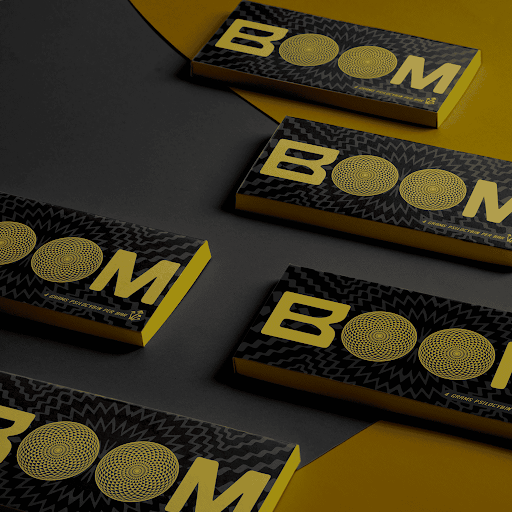


Confectionery has expanded far beyond traditional chocolate bars and hard candies. Modern food formulations increasingly experiment with unusual ingredients, alternative sweeteners, botanical components, and mushroom-derived materials. As a result, mushroom-based confections now appear in several forms, each with its own production requirements and sensory characteristics.
A mushroom ingredient does not behave the same way in every type of confection. Chocolate, gummies, chews, molded sweets, and other formats have different structures, moisture levels, and processing requirements. The final product is shaped by both the mushroom ingredient and the confectionery system surrounding it.
Understanding these differences makes it easier to recognize how mushroom-based sweets are categorized and why products that appear similar can have very different formulations.
Why Product Format Matters
The physical format of a confection affects almost every stage of its development.
Chocolate depends heavily on cocoa butter and controlled crystallization. Gummies rely on a gel network. Soft chews require a different balance of moisture, sugars, fats, and texturizing ingredients.
When mushroom-derived material is introduced, it must work within that existing structure.
For example, a powdered mushroom ingredient can create additional solid particles in chocolate, while the same ingredient may need to be dispersed differently in a gummy mixture.
The format is therefore more than a visual feature. It is an important part of the product’s formulation.
Chocolate Bars as a Mushroom Confectionery Format
Chocolate bars are among the simplest formats for incorporating specialty ingredients.
A conventional bar can contain cocoa solids, cocoa butter, sugar, milk ingredients, or plant-based alternatives. A mushroom-derived ingredient may then be distributed throughout the chocolate mixture.
A mushroom bar can vary significantly depending on the chocolate base and mushroom preparation.
Dark chocolate tends to provide a stronger cocoa profile, while milk chocolate produces a sweeter and creamier result. Plant-based chocolate may use alternative ingredients in place of dairy.
The mushroom ingredient can also affect the texture. Powdered material may introduce a subtle particulate sensation, depending on its particle size and concentration.
Molded Chocolate Pieces
Not every mushroom chocolate product needs to take the shape of a traditional bar.
Molded chocolates can be produced as squares, discs, cups, shells, or decorative shapes. The mold determines the physical appearance, while the recipe controls the internal composition.
Mushroom material can be mixed throughout the chocolate or incorporated into a filling.
Filled chocolates provide additional formulation possibilities because different ingredients can occupy separate layers. A chocolate shell, for example, can surround a softer center containing another ingredient mixture.
The shape alone does not indicate which mushroom has been used. Product-specific ingredient information remains necessary.
Mushroom Gummies and Their Structure
Gummies belong to a completely different confectionery system.
Their characteristic elasticity comes from a gel structure created using ingredients such as gelatin, pectin, starch, or other texturizing agents. Sugar, acids, flavors, and moisture also influence the final consistency.
Mushroom-derived ingredients must be incorporated without disrupting the desired gummy structure.
Flavor development can also be different from chocolate. Fruit flavors, citrus notes, berries, and other confectionery flavors are commonly associated with gummy formulations and can help create a distinct sensory profile.
This makes gummies an important product format within the broader mushroom confectionery category.
Soft Chews and Similar Products
Soft chews occupy a middle ground between traditional candy and other specialty food formats.
Their texture is usually softer and more flexible than a hard candy but denser than a conventional gummy. The formulation may depend on sugar systems, fats, syrups, moisture, and texturizing ingredients.
Mushroom-derived materials can be incorporated into the mixture during production.
The final texture depends on moisture control and the interaction between the mushroom ingredient and the other components.
Because soft chews can have different formulations, the term itself does not provide enough information to determine the ingredients.
Hard Candy and Mushroom Ingredients
Hard candy is based on a concentrated sugar structure that becomes firm after cooling.
This creates different formulation considerations compared with chocolate or gummies. Moisture control and heating conditions are particularly important because the candy structure depends on the behavior of the sugar system.
A mushroom-derived ingredient would need to remain compatible with these processing conditions.
Flavor is another consideration. Mushroom characteristics can be more noticeable in a simple sugar-based confection, so additional flavors may be used to create a balanced sensory profile.
Not every mushroom ingredient is suitable for every candy structure, making formulation testing an important part of product development.
Mushroom Ingredients Come in Different Forms
The physical form of the mushroom ingredient can influence the final confection.
Powder consists of processed mushroom material and can contribute both flavor and physical particles.
Extract is produced through additional processing and can have different characteristics from powdered mushroom material.
Blends combine multiple mushroom-derived ingredients and can create a more complicated formulation.
These distinctions matter across all confectionery formats.
A mushroom powder may influence the mouthfeel of chocolate, while an extract may behave differently in a gummy or chew.
Single-Mushroom Products
Some specialty confections use one named mushroom species.
This approach creates a relatively straightforward ingredient identity. The product may identify a species such as lion’s mane, reishi, cordyceps, or turkey tail.
Each species has its own characteristics and should be considered independently.
The flavor of the finished confection can also vary according to the mushroom used. Some mushrooms have relatively mild profiles, while others can introduce stronger earthy, woody, or bitter notes.
A single-species formulation can therefore be distinguished from a multi-mushroom product even when both use the same confectionery format.
Multi-Mushroom Formulations
A blended product combines several mushroom-derived ingredients.
This approach can involve multiple mushroom species or different forms of mushroom material.
The exact formulation depends on the manufacturer. A blend can produce a broader ingredient profile, but the phrase “mushroom blend” alone does not reveal the amount of each component.
For accurate product classification, the full ingredient declaration is more useful than the general category name.
Flavor Systems Used With Mushroom Confections
Mushrooms are not traditionally associated with sweet foods, which makes flavor pairing particularly important.
Chocolate provides roasted and bitter cocoa notes that can complement earthy mushroom characteristics.
Other ingredients can create completely different profiles. Vanilla may soften stronger flavors, coffee can reinforce roasted notes, while fruit can provide acidity and sweetness.
Gummies and chews often rely more heavily on fruit-based flavor systems.
Spices, nuts, coconut, caramel-style flavors, and other confectionery ingredients can also contribute complexity.
The mushroom component is therefore only one element of the final taste.
Texture Is More Than Mouthfeel
Texture can influence how consumers perceive a specialty confection.
Chocolate is expected to melt smoothly. Additional powdered ingredients may alter this experience depending on their particle size.
Gummies are expected to stretch and chew. Changes in moisture or gel structure can make them softer, firmer, or more brittle.
Soft chews need a different balance between flexibility and firmness.
These characteristics mean that mushroom-based confectionery requires careful control of ingredients and processing conditions for each format.
Packaging Can Reflect the Product Format
Different confectionery types often require different packaging approaches.
Chocolate may need protection from heat and humidity. Gummies may require packaging that helps control moisture exposure.
Individually wrapped pieces can provide portion separation, while larger packages may contain multiple pieces within one sealed container.
Packaging information can also include storage conditions, net quantity, ingredients, allergens, date markings, and manufacturer information.
These details help explain how a particular product should be handled.
Understanding Brand Terminology
Brand names can make specialty confectionery easier to recognize, but they should not be confused with technical product categories.
For example, boom bar brand terminology may be used to identify a particular commercial identity or product range. The brand name itself does not establish the exact mushroom species, ingredient form, or confectionery recipe.
Different products associated with the same brand can also use different formats and formulations.
When comparing products, it is therefore more useful to consider the specific product description and ingredient declaration rather than relying only on the brand name.
Functional Mushroom Confections
Some mushroom-based foods use mushrooms commonly associated with functional-food applications.
Lion’s mane, reishi, cordyceps, and turkey tail are frequently discussed in this area.
However, “functional” is a broad market term rather than a guarantee of a particular health outcome.
Research involving a mushroom may examine a particular preparation or extract under controlled conditions. A finished confection may contain a different form and amount.
For that reason, scientific findings should be considered in relation to the specific ingredient and formulation being discussed.
Psychoactive Mushroom Confections
Another category includes products associated with psychoactive mushroom compounds.
These products are different from conventional confections containing non-psychoactive culinary or functional mushrooms.
Psychoactive compounds can influence perception, cognition, mood, and sensory experiences. Their legal status varies significantly between jurisdictions.
Terms used to describe these products can also be informal and inconsistent.
Because of these differences, psychoactive mushroom products should be treated as a distinct category rather than being grouped together with ordinary functional mushroom confectionery.
Reading Product Information
The most reliable way to understand a mushroom-based confection is to examine its product information.
Look for the mushroom species, ingredient form, confectionery base, supporting ingredients, allergen information, storage conditions, and relevant warnings.
A product name can provide a general description, but it rarely communicates every technical detail.
For example, “mushroom bar” identifies a broad format, while the ingredient declaration can explain whether the product contains a particular mushroom species, powder, extract, or blend.
Comparing Different Formats
A practical comparison can focus on several characteristics:
| Format | Main Structure | Typical Texture | Key Formulation Consideration |
| Chocolate bar | Cocoa and fat matrix | Firm and smooth | Cocoa butter and particle distribution |
| Molded chocolate | Chocolate matrix | Firm or layered | Shape and ingredient distribution |
| Gummy | Gel network | Soft and chewy | Moisture and gel strength |
| Soft chew | Sugar and texturizing system | Dense and flexible | Moisture and flexibility |
| Hard candy | Concentrated sugar structure | Firm and brittle | Heating and moisture control |
This comparison demonstrates why the same mushroom ingredient can require different formulation techniques depending on the final product.
What the Future May Bring
Mushroom-based confectionery continues to evolve alongside wider interest in alternative food ingredients.
Manufacturers can experiment with different mushroom species, plant-based chocolate, reduced-sugar recipes, fruit flavors, spices, nuts, and new textures.
Advances in ingredient processing may also improve the way mushroom materials are incorporated into confectionery without compromising texture or flavor.
As more formats appear, precise product descriptions will become increasingly important.
Frequently Asked Questions
What are mushroom-based confections?
They are sweets containing mushroom-derived ingredients in formats such as chocolate, gummies, chews, or other candies.
What is a mushroom bar?
It generally refers to a bar-shaped confection containing a mushroom-derived ingredient.
Are all mushroom confections chocolate-based?
No. Mushroom ingredients can also be incorporated into gummies, chews, molded sweets, and other formats.
Why are gummies different from chocolate?
Gummies rely on a gel structure, while chocolate depends primarily on cocoa solids and cocoa butter.
What is a mushroom blend?
It is a formulation containing multiple mushroom-derived ingredients.
Can mushroom powder affect chocolate texture?
Yes. Powdered material can introduce additional particles and influence mouthfeel.
Are functional and psychoactive mushroom products identical?
No. They represent different categories and may have different regulatory considerations.
Why is the ingredient list important?
It provides specific information about the mushroom ingredient and other components used in the product.
Conclusion
Mushroom-based confections now exist in a variety of formats, and each format brings its own technical requirements. Chocolate bars depend on cocoa and fat structures, gummies rely on gel systems, while chews and hard candies use entirely different formulation approaches.
The mushroom ingredient itself can also vary. Powders, extracts, single-species ingredients, and blends can behave differently within the same confectionery system.
Understanding these distinctions makes the category easier to navigate. Instead of treating every mushroom confection as the same type of product, examining its format, mushroom ingredient, supporting components, texture, and labeling provides a much clearer picture.
As specialty confectionery continues to develop, the combination of new mushroom ingredients and established candy formats is likely to produce an increasingly diverse range of products.