


Mounjaro has helped plenty of people manage type 2 diabetes and weight, but the GI side effects – loose stools and diarrhea especially – catch a lot of users completely off guard. For some, it’s mild and passes quickly. For others, it’s disruptive enough to derail daily life.
What you eat during a flare-up genuinely matters. The right foods slow gut motility, replace lost fluids, and give your digestive system room to settle. Here are five food categories that can help you through it.
Plain, Easy-to-Digest Starches
The question of does Mounjaro causes diarrhea more than expected in the early weeks is one many patients bring up with their care team, and the honest answer is: yes, for a lot of people, especially in the first month. Your gut is adjusting to a new hormonal signal that slows digestion and changes how the stomach empties. Plain starches are your first line of defense: low in fiber, easy to break down, and gentle on an irritated gut lining.
White rice, plain white toast, saltine crackers, boiled pasta, these are the classics for a reason. They don’t trigger strong digestive contractions, and they won’t speed transit time the way whole grains do. Boiled or baked white potato works well too, as long as you skip the butter and cream. Keep portions moderate; a large meal of even easy-to-digest food can overwhelm a sensitive stomach and restart the cycle. Small, frequent servings throughout the day tend to work far better than three full plates.
Low-Fiber Fruits That Won’t Upset Your Gut
Fruit sounds healthy, but high-fiber options – apples with skin, pears, berries – can make diarrhea significantly worse. They pull water into the colon and accelerate gut transit, which is exactly the wrong direction right now. So focus on low-fiber, lower-sugar choices that still deliver potassium and a bit of natural energy.
Ripe bananas are the standout here. They contain pectin, a soluble fiber that actually absorbs excess water in the gut and firms up loose stools. Canned peaches in light syrup, ripe cantaloupe, and small amounts of honeydew are also tolerable for most people. But avoid citrus and fruit juices entirely during a flare-up; the acid irritates an already-tender gut, and concentrated sugar draws more fluid into the intestines. Peel every piece of fruit you eat. Skins are high in insoluble fiber, which adds bulk and speeds things along in the wrong direction.
Lean Proteins That Support Recovery
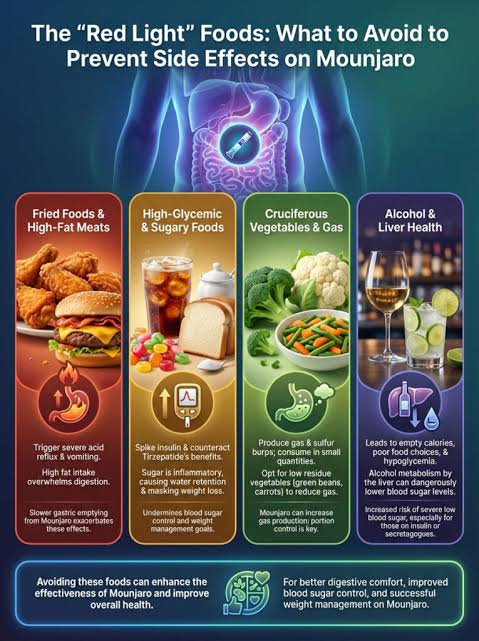
Your body still needs protein even when your stomach feels unreliable. The catch is that high-fat proteins – fatty cuts of meat, full-fat dairy, anything fried – stimulate bile release and ramp up gut motility, making diarrhea worse rather than better. Lean proteins are the safer bet.
Poached or boiled chicken breast is ideal. Scrambled eggs cooked in a dry pan, or with a very small amount of oil, are easy to digest and nutritious without taxing your gut. Canned tuna in water (not oil) is another practical option; plain firm tofu, lightly steamed or pan-cooked without sauce, fits well here too. Avoid red meat, processed deli meats, and anything seasoned with chili, garlic, or onion; these are known gut irritants that worsen intestinal inflammation and can drag your symptoms out by several days.
Broths and Electrolyte-Rich Fluids
Diarrhea depletes sodium, potassium, and chloride faster than most people realize. Dehydration becomes a real headache quickly, especially for older adults or anyone on medications that affect kidney function. Plain water alone won’t replace electrolytes fast enough.
Low-sodium chicken or vegetable broth is one of the best options going. It’s warm, easy to sip slowly, replaces sodium, and sits gently on the stomach. Oral rehydration products (available at most pharmacies) are formulated to replace exactly the minerals your body loses. Coconut water is a natural alternative with solid potassium content; just choose a plain, unflavored variety with no added sugar. Sports drinks like Gatorade work in a pinch, but dilute them 50/50 with water first; full-strength versions contain too much sugar, which pulls more water into the gut and worsens output. And avoid caffeine, alcohol, and carbonated drinks completely until symptoms resolve.
Probiotic Foods to Rebuild Gut Balance
Mounjaro affects gut motility in ways that can temporarily throw off the bacterial balance in your intestinal tract. Introducing gentle probiotic foods helps restore that balance and can shorten the duration of GI symptoms. You don’t need a supplement; some simple food sources work just as well for most people.
Plain, low-fat yogurt with live active cultures is the easiest place to start. Look for products listing Lactobacillus acidophilus or Bifidobacterium on the label. Skip flavored varieties with added fruit, sugar, or artificial sweeteners; sorbitol and other sugar alcohols are a well-known trigger for loose stools. Kefir is another option for people who tolerate it, it’s a fermented dairy drink with a higher concentration of live cultures than yogurt. If you’re lactose-intolerant, probiotic capsules are a reasonable substitute. Start with a low-dose product and give it a few days; rebuilding gut flora takes time, so don’t expect overnight results.
Conclusion
Diarrhea from Mounjaro is common, particularly in the first few weeks after a dose increase. What you eat during that window shapes how quickly your gut recovers. Stick to plain starches, ripe low-fiber fruits, lean proteins, hydrating fluids, and gentle probiotic foods. Cut out fat, sugar, caffeine, and raw vegetables until symptoms settle. If diarrhea lasts more than a few days, turns severe, or includes blood, contact your doctor. Dietary changes help with typical GI adjustment, but they don’t replace medical care.