
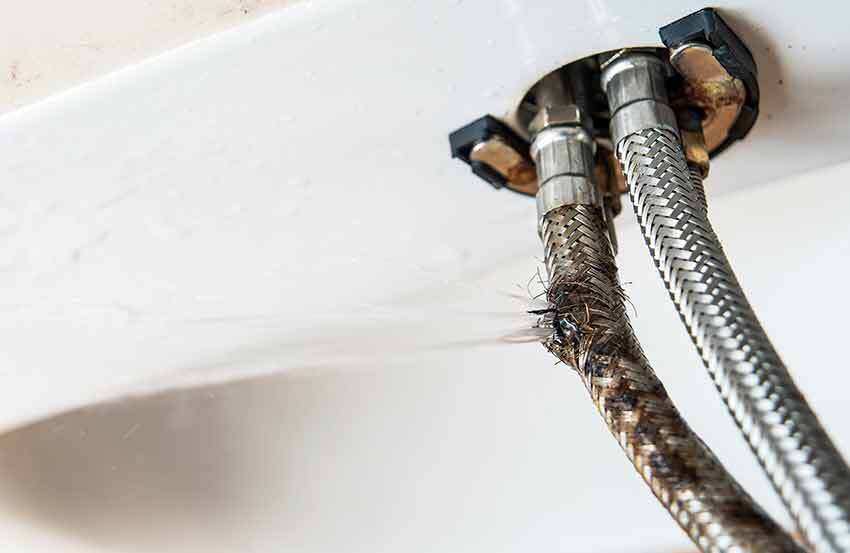


Escape of water is the insurance industry’s term for water that leaks or bursts from a pipe, tank, or appliance inside your home, and it’s one of the most common claims UK insurers deal with. Whether a claim succeeds usually depends on one key factor: whether the leak was sudden and accidental or developed gradually over time. For a full breakdown of the claims process itself, you can see more leak repair guides covering exactly what insurers look for and how to strengthen your position.
This guide explains how escape of water cover typically works, the exclusions that most often catch homeowners out, and what to expect during the claims process.
Home insurance typically covers accidental escape of water, meaning sudden, unforeseen leaks or bursts from internal pipes, tanks, or appliances. Gradual damage from slow leaks, wear and tear, or poor maintenance is usually excluded. Most policies also include trace and access cover, helping pay for locating a hidden leak, though a higher compulsory excess often applies compared to standard claims.
What Counts as Accidental Escape of Water
Insurers draw a clear distinction between sudden failures and long-term deterioration, and this single distinction decides most disputed claims.
Accidental escape of water refers to water that leaks or bursts suddenly and unexpectedly from a fixed water system, such as a burst pipe, a failed appliance hose, or a split heating pipe. It specifically excludes flooding from external sources like rivers or storms, which falls under separate flood cover entirely.
Why Sudden Damage Is Treated Differently to Gradual Damage
Insurers scrutinise escape of water claims carefully, since it remains one of the most frequent and costly claim categories across UK households.
A sudden burst pipe causing immediate, visible damage is generally covered without dispute. A slow, unnoticed leak that’s been running for months, evidenced by mould, staining, or corroded pipework, is far more likely to be classed as gradual damage and excluded. Insurers often request evidence, sometimes through a loss adjuster visit or a moisture survey, to determine which category a claim falls into.
Common Plumbing Insurance Exclusions to Know
Understanding what typically isn’t covered helps set realistic expectations before a claim is even submitted.
- Damage from wear and tear, such as degraded sealant or ageing grout
- Leaks caused by known, unaddressed maintenance issues
- Escape of water in a property left unoccupied beyond the policy’s stated limit, usually 30 to 90 days
- The cost of repairing the failed pipe or appliance itself, as distinct from the damage it caused
- Damage where reasonable precautions, such as pipe lagging, weren’t taken
Plumbing insurance exclusions vary between providers, so checking your specific policy wording matters more than relying on general assumptions.
Trace and Access Insurance: A Separate but Related Cover
Finding a hidden leak often costs as much as the repair itself, which is why this cover exists as a distinct policy element.
Trace and access insurance covers the cost of locating a leak’s exact source, including any necessary work such as lifting floorboards or opening a small section of wall, even when the pipe repair itself is inexpensive. This cover is typically separate from standard escape of water cover, so it’s worth confirming your policy includes it specifically rather than assuming it’s automatically bundled in.
Comparing Covered and Excluded Scenarios
| Scenario | Typically Covered | Typically Excluded |
| Sudden burst pipe | Yes | No |
| Slow leak developing over months | No | Yes |
| Failed appliance hose, sudden leak | Yes | No |
| Damage from known, unrepaired leak | No | Yes |
| Leak in an unoccupied property beyond policy limit | No | Yes |
| Locating a hidden leak (trace and access) | Yes, if included in policy | Varies by insurer |
How Home Emergency Cover Differs From Buildings Insurance
These two types of cover are often confused, but they serve genuinely different purposes.
Home emergency cover typically provides rapid response for urgent issues, such as a burst pipe or boiler breakdown, often with a fixed call-out limit per incident. Buildings insurance, by contrast, covers the actual cost of repairing structural damage caused by an insured event. Many homeowners hold both, using emergency cover for the immediate response and buildings insurance for the resulting repair and restoration.
What Happens After You Report a Claim
Understanding the typical process helps reduce frustration during what can be a slow, document-heavy experience.
- Report the leak to your insurer as soon as it’s discovered
- Provide timestamped photographs of the damage and its source
- Arrange a trace and access investigation if the source isn’t visible
- An assessor or loss adjuster may inspect the property
- The insurer confirms whether the claim falls under accidental or gradual damage
- A settlement offer is issued, covering agreed repair and water damage restoration costs
Water Damage Restoration as Part of the Claim
Once liability and cover are confirmed, restoring the property properly is just as important as the initial repair.
Water damage restoration typically includes drying affected areas with dehumidifiers, treating any damp or mould that developed, and repairing decorative finishes such as plaster, flooring, or paintwork. Insurers usually expect this work to be documented and, where appropriate, carried out by a qualified restoration specialist to support the claim’s validity.
Frequently Asked Questions
What is the escape of water in home insurance terms?
It refers to water leaking or bursting suddenly from an internal pipe, tank, or appliance, as distinct from external flooding.
Will my insurance cover a slow, long-term leak?
Usually not. Most policies exclude gradual damage caused by wear and tear or unaddressed maintenance issues.
Is trace and access automatically included in my policy?
Not always. It’s often a separate element of cover, so checking your specific policy documents confirms whether it’s included.
How do insurers decide if damage was sudden or gradual?
They look at evidence such as staining, mould, and pipe condition, sometimes involving a loss adjuster or moisture survey to assess the cause.
Does home emergency cover replace the need for buildings insurance?
No. Emergency cover handles the immediate response, while buildings insurance covers the cost of repairing resulting structural damage.
What should I do immediately after discovering a leak?
Turn off the water supply if possible, photograph the damage, and report it to your insurer promptly to support a strong claim.
Understanding Your Cover Before You Need It
Escape of water claims succeed or fail largely on the distinction between sudden and gradual damage, making early detection and prompt reporting essential. Knowing what your specific policy covers, including trace and access, protects you well before a leak ever happens.
0800 Homefix provides Gas Safe registered leak detection and repair across London and the South East, helping homeowners document and resolve leaks quickly, backed by a 24/7 emergency response and no call-out fee.