
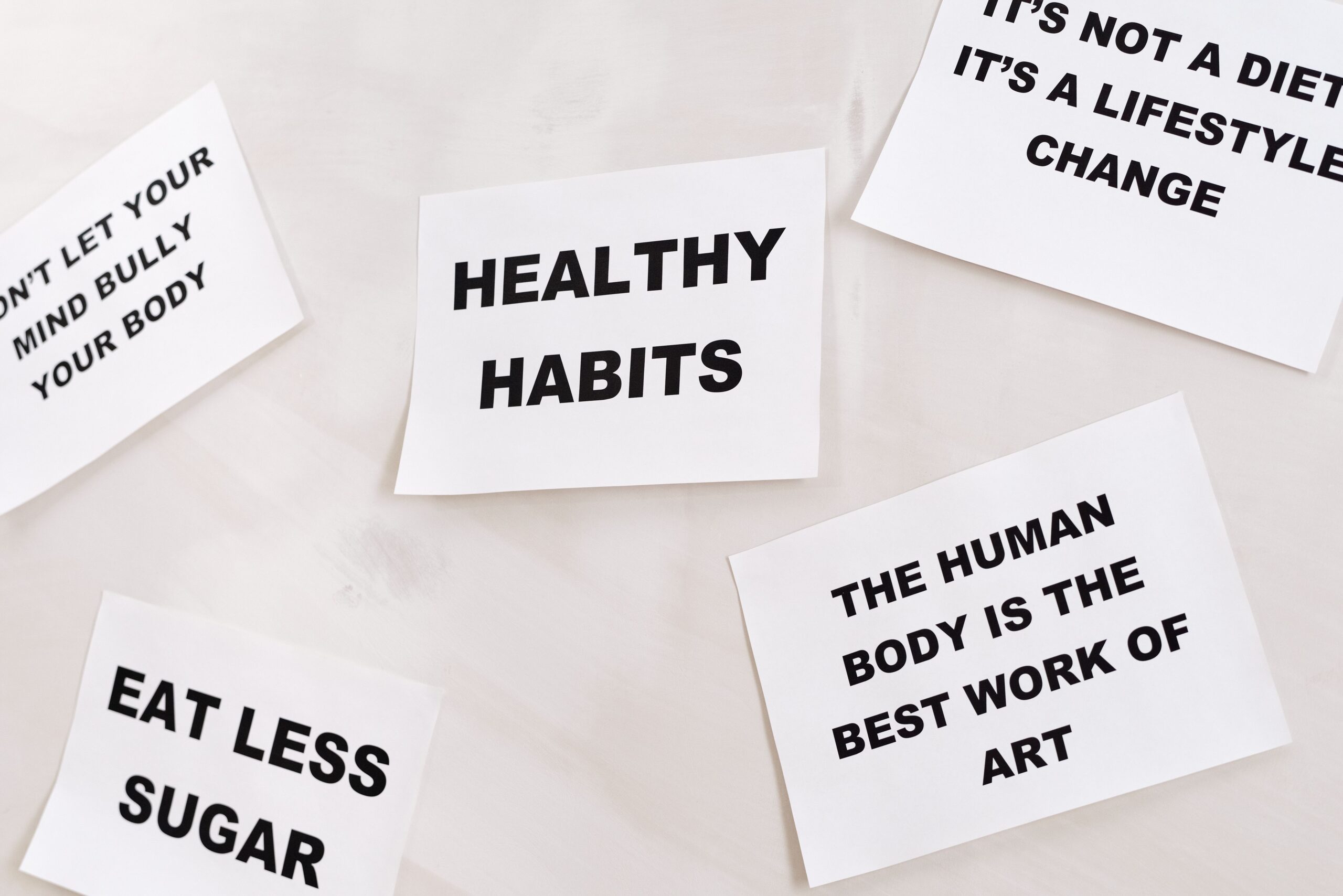


Wellness has become loud.
Everywhere you look, someone is selling a new way to feel better. A new supplement. A new recovery device. A new morning routine that starts at 5 a.m. and somehow includes meditation, journaling, cold water, breathwork, strength training, protein coffee, and a full skincare ritual before sunrise.
For some people, those things are useful. There is nothing wrong with tools that help someone feel healthier or more focused. But a lot of people are starting to feel worn out by the pressure to keep up. They don’t want wellness to feel like another bill, another app, or another thing they are failing at.
That is one reason simple wellness habits are becoming more appealing again. People are coming back to sleep, hydration, walking, balanced meals, stretching, sunlight, and social connection. These habits are not flashy, but they support the body in real ways. They are also easier to repeat, and that matters more than most people think.
Here’s the thing. The most useful health habit is not always the most expensive one. Often, it is the one you can actually do on a normal day.
The Wellness Industry Got Loud, But People Got Wiser
The wellness industry has a talent for making basic health feel complicated. A person can start by wanting more energy and end up comparing powders, trackers, meal plans, wearable devices, sleep scores, and hormone tests. Before long, wellness starts to feel like project management.
That can be exhausting.
People are not rejecting health. They are rejecting the pressure around it. They are tired of being told that every problem needs a product. They are tired of routines that look beautiful online but fall apart in real life. A parent working late, a student under pressure, or someone recovering from burnout doesn’t always need a luxury wellness plan. They need habits that meet them where they are.
Simple wellness feels different because it does not ask for perfection. It asks for repetition. Drink enough water. Take a walk. Go to bed earlier. Eat something with protein and fiber. Step into the sun. Stretch your stiff back. Call someone who cares about you.
None of that sounds dramatic. But the body likes steady care.
There is also an emotional side to this shift. Many people now understand that being healthy is not about looking like a wellness influencer. It is about feeling stable enough to get through the day with more ease. That is a quieter goal, but for many people, it is a better one.
Sleep Is Still the Habit People Keep Underestimating
Sleep is not trendy in the way a new device is trendy. You cannot really package it in a shiny bottle. Still, sleep is one of the strongest foundations of health.
When people do not sleep enough, almost everything feels harder. Mood drops. Cravings rise. Focus slips. Stress feels heavier. Small problems feel bigger than they are. Anyone who has answered emails after a poor night’s sleep knows this feeling. The brain is there, technically, but it is not exactly doing its best work.
Good sleep supports memory, immune health, hormone balance, emotional control, and daily energy. It also helps people make better choices. That matters because wellness is not only about one decision. It is about hundreds of small decisions made across the week.
The hard part is that many people treat sleep like leftover time. They work, scroll, clean, worry, watch one more episode, reply to one more message, and then sleep gets whatever remains. But the body does not run well on leftovers for long.
A simple sleep routine helps. It does not need to be perfect. Dimming the lights, lowering screen time before bed, keeping a regular wake time, and avoiding late caffeine can make a real difference. Even creating a calmer evening rhythm can tell the body, “We are safe now. We can slow down.”
For people facing substance use, stress, or emotional pain, sleep problems can become part of a bigger cycle. Lifestyle habits help, but deeper support is often needed too. Professional substance abuse therapy services can help people understand the emotional and behavioral patterns that affect rest, recovery, and daily stability.
Hydration, Walking, and Sunlight Still Work
It almost sounds too basic to say, but water, walking, and sunlight still do a lot of heavy lifting for health.
Hydration supports focus, digestion, circulation, and energy. When people are even mildly dehydrated, they can feel tired, foggy, or irritable. Many people reach for more caffeine when the body is actually asking for water. It is a small mix-up, but it happens all the time.
Walking is another simple habit with a big return. It supports heart health, joint movement, blood sugar balance, and mood. It also gives the mind a break. A walk around the block after lunch or dinner can clear mental clutter in a way that sitting still rarely does.
Then there is sunlight. Morning light helps regulate the body’s internal clock. It can support better sleep later that night and improve daytime alertness. You do not need to bake in the sun for hours. A short walk outside or a few minutes near natural light can help the body understand what time it is.
What makes these habits powerful is that they fit into real life. They do not require a full lifestyle makeover. You can drink water while working. You can walk while taking a call. You can get sunlight while stepping outside before the day gets busy.
This is the kind of wellness people are craving now. Simple. Practical. Not dramatic. Not expensive.
Balanced Meals Are Beating Complicated Food Rules
Food trends change quickly. One year people avoid carbs. Another year they track every gram of protein. Then come fasting windows, gut health hacks, glucose monitors, detox teas, and meal plans that require a level of planning most people cannot maintain.
Some nutrition ideas are helpful. But too many rules can make eating feel tense.
Balanced meals bring the focus back to common sense. Most people feel better when they eat meals that include protein, fiber, healthy fats, and enough calories to support their day. That does not mean every plate needs to look perfect. It means the body needs steady fuel.
A balanced meal can be eggs and toast with fruit. It can be rice, fish, and vegetables. It can be soup with beans. It can be yogurt with nuts. It can be leftovers eaten at the kitchen counter because life got busy.
Honestly, that counts.
The goal is not to turn food into a moral test. The goal is to support energy, mood, and health. When people skip meals or swing between strict dieting and overeating, the body can feel unsettled. A steady meal rhythm helps calm that cycle.
Food also connects to mental health. A person who feels anxious, low, or overwhelmed often has a harder time planning meals. And when the body is underfed or running on sugar and caffeine, emotions become harder to manage. It is not about blaming food for everything. It is about seeing the connection.
For people who need more structured emotional or clinical care, simple daily habits work best when paired with proper support. Access to Behavioral health treatment in Massachusetts can help people address mental health, substance use, and lifestyle patterns in a more complete way.
Stretching, Slowing Down, and Taking Real Breaks Matter
A lot of modern life happens in chairs. People sit at desks, sit in cars, sit on couches, sit while scrolling, and then wonder why their shoulders feel like bricks.
Stretching seems small, but it helps people reconnect with their bodies. It eases stiffness, supports mobility, and gives the nervous system a chance to settle. You do not need a long yoga routine to benefit. A few minutes of neck rolls, hip stretches, or gentle movement can change how the body feels.
The same is true for breathing. Slow breathing is simple, but it sends a calming signal to the body. Before a hard conversation, before opening a stressful email, or before reacting in anger, a few steady breaths can create space.
And space is underrated.
People often wait until stress becomes loud before they respond to it. They ignore tight shoulders, headaches, poor sleep, and irritability until the body forces them to stop. Simple wellness encourages people to notice earlier. Stretch before the pain gets worse. Rest before burnout hits. Step away from the screen before your brain feels fried.
This does not mean every problem can be fixed with a stretch break. That would be too neat, and life is not neat. But small pauses can stop a hard day from getting harder.
For people in recovery, these small physical habits can support a larger healing process. Structure, movement, sleep, and calming routines help rebuild trust in the body. A person searching for Drug and alcohol rehab in Wisconsin often needs more than treatment alone. They need a path back to ordinary, steady living.
Social Connection Is Part of Wellness Too
Wellness is often marketed as something people do alone. Solo workouts. Solo journaling. Solo tracking. Solo self-care. There is value in personal routines, but humans are not built to handle everything alone.
Connection supports health in quiet but important ways. A good conversation can lower stress. A trusted friend can notice changes before someone admits they are struggling. A shared meal can make life feel less heavy. Even a short phone call can remind a person that they are not floating through the week by themselves.
Loneliness affects both mental and physical health. It can disturb sleep, increase stress, and reduce motivation. That is why social connection belongs in the same conversation as nutrition and exercise.
A simple connection does not need to be dramatic. It can mean walking with a neighbor, checking on a friend, sitting with family, joining a local group, or being honest when someone asks how you are. These small moments help people feel rooted.
This is especially important when someone is dealing with addiction, withdrawal, or major life stress. Isolation can feed shame. Shame can keep people stuck. Support can break that pattern. When medical help is needed, a trusted Washington detox center can provide safer care during withdrawal and help people begin recovery with structure.
The bigger point is simple. Wellness is not only about what you buy or track. It is also about who you can lean on.
Why Simple Wellness Habits Are Winning Again
People are choosing simple wellness habits because they are tired of chasing health through expensive trends. They want something steadier. Something human. Something they can return to when life gets messy.
Expensive wellness trends are not all bad. Some tools help. Some services are useful. Some products make life easier. But they are not the foundation. The foundation is still sleep, water, movement, food, sunlight, rest, and connection.
Those habits do not promise a perfect life. They do something better. They support a real one.
A good wellness routine should not make you feel like you are failing. It should help you come back to yourself. That is why simple habits matter so much. They are forgiving. You can miss a day and begin again. You can have a rough week and still take a walk. You can feel overwhelmed and still drink water, stretch, eat, rest, or call someone.
The flashy stuff will keep changing. There will always be another trend, another gadget, another expert telling people what to try next.
But the basics stay.
Sleep still helps. Walking still helps. Food still helps. Sunlight still helps. People still help.
And maybe that is why simple wellness feels so refreshing now. It does not ask people to perform health. It helps them live it.