
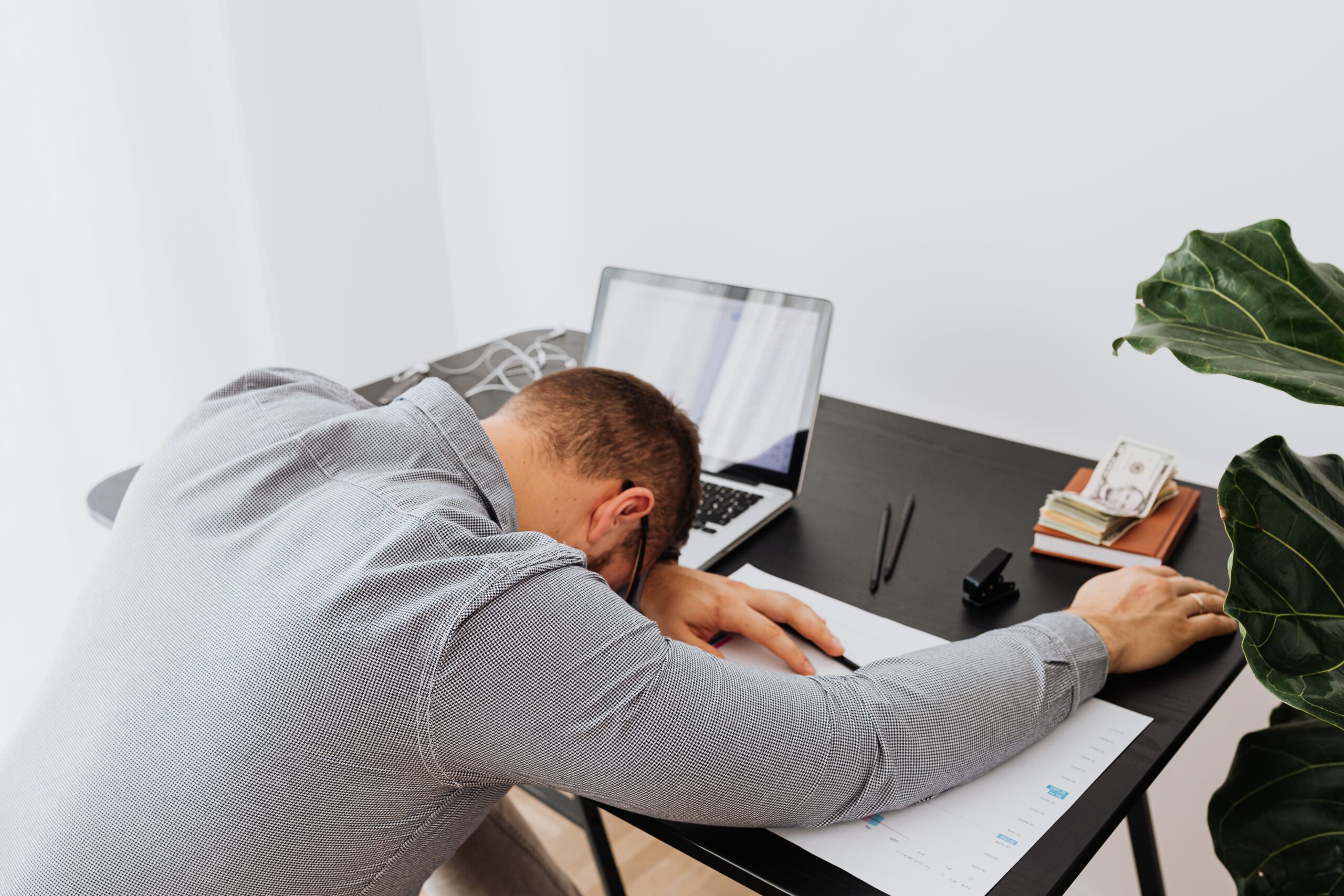


Being productive used to sound simple. You worked, handled your responsibilities, and felt good when the day ended with something finished. Now, productivity has become something much heavier. It follows people from the office to the kitchen table, from the school run to the sofa, from the laptop to the phone screen at midnight.
There is always another email to answer. Another errand to squeeze in. Another goal to track. Another routine to improve. Even rest has started to feel like something that needs proof. People do not just relax anymore. They “recover,” “reset,” or “recharge” so they can become useful again.
That sounds tidy, but it is also a little sad.
A balanced lifestyle cannot be built only on output. The human body needs sleep, food, movement, connection, silence, and unplanned time. The mind needs space to wander. The heart needs moments that are not tied to achievement. Yet many people now feel guilty when they slow down, as if rest is a weakness instead of a basic human need.
The lifestyle cost of always being productive is not just tiredness. It is the slow loss of ease. It is forgetting how to enjoy a quiet afternoon without checking your phone. It is feeling restless during a day off because your brain has been trained to measure every hour.
And honestly, that is not healthy.
When Productivity Becomes a Personality
There is nothing wrong with wanting to do well. Ambition can be healthy. Structure can help. A good calendar, a clean desk, a steady work routine, and a clear plan can make life feel calmer.
The problem starts when productivity becomes your whole personality.
Some people begin to judge themselves only by what they finished that day. A full inbox feels like failure. A slow morning feels wasteful. A weekend without errands feels irresponsible. Even hobbies can become another project to manage. Reading becomes a yearly target. Fitness becomes a streak. Cooking becomes meal prep. Rest becomes another box to tick.
You know what? That is not really rest.
It is performance wearing soft clothes.
This pressure often comes from work culture, social media, and the constant noise of self-improvement advice. Apps like Notion, Trello, Google Calendar, and Slack can be helpful, but they can also make life feel like one long project board. Every part of the day gets planned, sorted, labelled, and reviewed. That can be useful for work, but it becomes draining when your whole life starts to feel like a meeting agenda.
People also compare themselves more than ever. Someone online is waking up at 5 a.m., drinking green juice, running five miles, building a business, journaling, and somehow making sourdough before breakfast. It looks impressive. It also looks exhausting.
Real life is messier. Some mornings start with lost keys, unpaid bills, tired children, bad sleep, and a washing machine that suddenly decides to make a strange noise. Productivity advice often forgets that people are not robots. They have moods, bodies, families, money worries, and days when doing the basics is already enough.
When productivity becomes a personality, rest feels like a threat. If you are not doing, improving, earning, fixing, or planning, who are you?
That question sounds dramatic, but many people feel it quietly.
The Body Keeps the Receipts
The body notices what the mind tries to push aside. You can ignore tiredness for a while, but the body keeps track. It shows up in headaches, tight shoulders, poor digestion, broken sleep, low patience, and that strange, wired feeling where you are exhausted but unable to relax.
Burnout does not always arrive like a dramatic collapse. Sometimes it looks ordinary. You still go to work. You still answer messages. You still smile when people ask how you are. But inside, everything feels thinner. Your energy is low. Your emotions sit close to the surface. Small problems feel huge.
This is where overworking becomes more than a busy schedule. It becomes a health issue.
When people feel trapped in constant pressure, they often search for quick ways to cope. Some rely on alcohol to switch off after long days. Others lean too heavily on caffeine, nicotine, or other substances to keep going. What starts as a way to manage stress can slowly become a pattern that is hard to break. For those already dealing with alcohol dependence, support such as Alcohol detox in Jacksonville can offer a safer route toward medical care and recovery.
Of course, not every stressed person develops a substance problem. That would be too simple. But chronic stress lowers the space between impulse and action. When people are tired, lonely, anxious, or emotionally drained, they often reach for whatever brings relief fastest.
The body pays for this. Sleep suffers. Mood suffers. Relationships suffer. Even the immune system can feel the strain. You may catch more colds, heal more slowly, or feel heavy in your own skin. It is like running a phone on low battery all day and expecting it to perform like new.
It will not.
Sooner or later, something shuts down.
The Guilt Around Rest Is Learned
Nobody is born feeling guilty for resting. A child will nap when tired, stare at clouds, or stop playing just to look at something strange on the ground. Children understand pause before adults train it out of them.
As people grow older, rest often becomes conditional. Finish your homework first. Finish your shift first. Clean the house first. Reply to everyone first. Earn the break.
But the list never ends.
There is always one more task waiting. One more message. One more thing that “will only take five minutes.” So rest gets delayed again and again until it feels almost forbidden.
This guilt can become so normal that people do not even notice it. They lie down but keep scrolling. They take a day off but fill it with errands. They watch a film while checking work messages. They eat lunch at the desk and call it efficiency.
Here’s the thing: rest is not the opposite of responsibility. Rest helps responsibility become possible.
A person who sleeps well, eats properly, and has time to breathe makes better choices. They listen better. They recover faster after stress. They are less likely to snap at people they love. They are also more likely to notice when something in life is going wrong before it becomes a crisis.
People in recovery often learn this in a deep way. Healing is not only about stopping harmful behaviour. It is also about building daily rhythms that feel safe, steady, and human. Programmes that provide Inpatient drug and alcohol treatment often support people through structure, care, and healthier routines because recovery needs more than willpower.
That lesson applies to everyone, not only those in treatment.
You cannot build a stable life from pressure alone. You need space. You need quiet. You need a way to return to yourself.
Emotional Fatigue Is Real, Even If You Can’t See It
Physical tiredness is easier to explain. Your legs ache. Your eyes burn. Your back hurts. You want to sit down.
Emotional fatigue is trickier. It hides behind phrases like “I’m fine” or “just busy.” It can look like losing interest in things you used to enjoy. It can feel like numbness, irritability, or a low hum of sadness that never fully leaves.
You may stop replying to friends because every message feels like another demand. You may become short-tempered with your family, not because you do not love them, but because your patience is gone. You may keep working, cleaning, organising, and showing up while feeling strangely absent from your own life.
That kind of tiredness needs attention.
The “always on” lifestyle makes emotional fatigue worse. Phones have blurred every boundary. Work messages sit beside family photos. News alerts sit beside shopping apps. A quick scroll before bed can turn into an hour of comparison, worry, and noise. Even relaxing can feel crowded.
There is also the pressure to respond quickly. If someone sends a message, many people feel rude if they do not answer right away. If work sends an email after hours, some feel they must prove they are committed. If a friend posts a life update, there is pressure to react, comment, or keep up.
No wonder people feel drained.
For some, this constant pressure connects with stimulant use. A person may start using substances to stay awake, focus harder, study longer, or work through exhaustion. But the body has limits. When stimulant use becomes unsafe, medical support such as Detox for stimulant addiction can help people step away from harmful patterns with care.
The wider point is clear. A lifestyle that keeps borrowing energy from tomorrow will eventually run out of credit.
Hobbies Are Not a Waste of Time
One of the quiet losses of productivity culture is the loss of hobbies for their own sake.
A hobby does not need to become a side hustle. You do not have to turn baking into a small business, walking into a step challenge, reading into a public book list, or painting into content. Some things are allowed to stay private. Some things are allowed to be pointless in the best way.
That is where their value lives.
Hobbies give the mind somewhere soft to go. They remind you that you are more than your job, your bills, your goals, or your responsibilities. They let you play again, even if play looks different as an adult. Gardening, swimming, cooking, drawing, fixing old furniture, singing badly in the car, or sitting with a cup of tea and doing nothing can all help bring the nervous system back down.
Quiet time matters too. Not every healthy moment needs a plan. Sometimes the best thing you can do is sit outside, look at the sky, and let your brain stop sprinting.
This sounds simple, but many people find it uncomfortable at first. When you are used to constant activity, stillness can feel awkward. You may feel itchy, guilty, or bored. That does not mean rest is wrong. It means your system has forgotten what calm feels like.
Let it relearn.
Rest also improves connection. A slow meal with someone you care about can do more for your mood than another hour of catching up on tasks. A walk without a destination can help clear a tense day. A weekend with fewer plans can make Monday feel less brutal.
Not every form of rest is silent. Some people rest through music, sport, laughter, cooking, worship, time with friends, or being in nature. The point is not to copy someone else’s version of calm. The point is to choose something that makes you feel human again.
A Healthier Lifestyle Needs Room to Be Human
Modern health advice often talks about food, movement, hydration, and sleep. Those things matter. But a healthy lifestyle also needs emotional space. You need time when nobody is asking anything from you. You need hours that are not measured. You need rest before your body forces you to stop.
This can feel hard when life is expensive, work is demanding, and family duties are real. Many people cannot simply cancel everything and take a long break. That is not how real life works. But rest does not always need to be grand. It can be small and regular.
It can mean closing the laptop at a set time. It can mean eating without a screen. It can mean leaving one evening free each week. It can mean going to bed instead of doing one more task. It can mean saying no before resentment builds.
For people dealing with anxiety, depression, burnout, or emotional distress, rest alone is not always enough. Professional care can help when stress starts affecting daily life, relationships, sleep, or safety. Services such as Mental health treatment in Orange County can support people who need more than self-care tips and quiet weekends.
That matters because rest should not be treated as a luxury. It is part of health.
Always being productive has a cost. It can make people efficient but disconnected. Busy but lonely. Successful on paper but tired in ways they do not know how to explain.
Rest needs to be normal again because people are not machines. You are not a calendar with a heartbeat. You are a person with limits, moods, needs, and seasons. Some days will be full. Some days will be slow. Both can belong in a good life.
So take the quiet morning when you can. Leave the email for later when it is not urgent. Let a hobby stay messy. Sit down without earning it first.
That is not laziness.
That is health.