
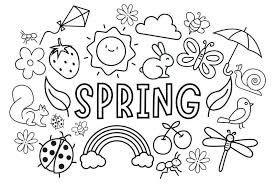


For many parents, coloring is primarily a way to spend a peaceful half-hour during the day. And indeed it is, but that’s just the tip of the iceberg. The simple act of filling in outlines with color holds a surprising number of developmental benefits, which we often forget about when handing crayons to a child.
Coloring combines several things at once: fun, learning, and relaxation. This is why it has remained a favorite activity in homes and preschools for generations, despite the increasing number of colorful screens and apps.
Development of fine motor skills
Holding a crayon, controlling pressure, and trying not to go outside the lines are real precision exercises. Hand and finger muscles gradually strengthen, and eye-hand coordination develops naturally, without feeling like a chore. Children are simply having fun, and in the process, they’re building a foundation for later learning to write.
Importantly, this development occurs at the child’s own pace. There’s no pressure or judgment, but plenty of repetition, which is exactly what a growing hand needs at this stage.
Concentration and calm
In a world full of stimuli, coloring is one of the few activities that teaches children to focus on one task for an extended period of time. It’s also a great tool for calming emotions, as the rhythmic, repetitive movements have a calming effect, similar to the way adults reach for anti-stress coloring books.
Free ones are a good solution printable coloring pages, which you can print anytime, without a screen, without an app, and without installing anything. So you always have something to do on a rainy afternoon or a long drive.
Creativity and decision-making
The blank outline is a small exercise in decision-making. What color will the sky be? Does the dragon have to be green? Each such choice is a microscopic act of creativity that teaches the child that there is no single correct answer. Over time, this translates into greater confidence in expressing their own ideas, even off the page.
An idea for time together
It’s also worth remembering that coloring doesn’t have to be solely for the child when parents have a moment to themselves. Coloring together at a table is a simple and inexpensive way to spend time, fostering conversation and building relationships, sometimes more effectively than many expensive attractions.
Next time you hand your child crayons, remember that you’re giving them much more than just a moment of play. You’re giving them exercise for their hands, mind, and imagination all at once, and you’re also giving them an opportunity to spend some quiet time together.
How to make coloring a household habit
Coloring is most beneficial when it becomes a natural part of the day, not a one-time activity. It’s worth designating a permanent spot, such as a drawer with crayons and printouts, that the child can easily access. When materials are readily available, the child will reach for them on their own, rather than asking for another story.
It’s also a good idea to tie coloring activities to specific times of day, such as quiet time after preschool or before bed. This small routine gives the child a sense of predictability and security, and gives parents a few quiet minutes. Over time, coloring ceases to be something that needs to be organized and becomes an obvious, enjoyable part of everyday life, readily available whenever a free moment arises.
Why it’s worth starting today
The best part is that it doesn’t require any preparation or expense to get started. Just print out a few patterns, set a box of crayons nearby, and let your child get to work. Even the first afternoon together will show how easily this simple activity can engage and calm a child, while also giving parents a moment of peace.
Over time, it’s worth expanding your collection of patterns with new themes tailored to your child’s interests, so there’s always something fresh at hand. This way, coloring remains engaging for months, and its developmental benefits—training your hand, concentration, and imagination—accumulate day after day, almost unnoticeably for the child who’s simply having fun.
Coloring and School Readiness
It’s also worth considering coloring through the lens of school preparation. Many of the skills a child develops with crayons translate directly into later learning. Staying within the lines develops the precision needed for writing, while recognizing and naming colors and shapes builds the foundation upon which further education is built.
Coloring also teaches patience and the importance of seeing a task through to completion. A child who independently completes a picture experiences a small sense of satisfaction from their work, and this sense of agency pays dividends later in school. Such small successes build motivation and a positive attitude toward learning even before the child enters the classroom.
Importantly, all this happens in a playful atmosphere, free from pressure and judgment. Children don’t feel like they’re learning, yet they’re simultaneously exercising their concentration, dexterity, and imagination. That’s why coloring books have remained one of the simplest yet most effective tools for early development for generations, combining fun with real educational value.
In short, a coloring book is much more than just a way to pass the time. It’s an inexpensive and easily accessible tool that simultaneously entertains, educates, and soothes, supporting a child’s development on many levels simultaneously. All it takes is a few crayons and a printed pattern to give your child something truly valuable, and a few quiet minutes for yourself. It’s hard to imagine a simpler idea that combines so many benefits in one quiet moment at the table.