
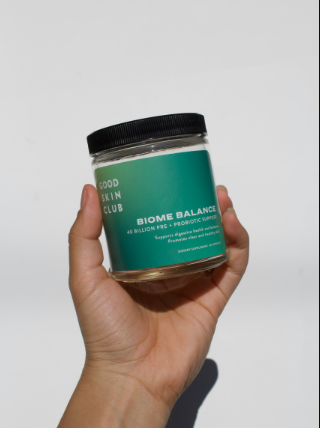


Introduction to Gut Health
The gut microbiome, a complex community of trillions of microorganisms residing in our digestive tract, plays a crucial role in maintaining overall health. This intricate ecosystem comprises bacteria, viruses, fungi, and other microbes, which together create a unique environment. The balance within this microbiome is vital, as it influences a variety of bodily functions that are essential to our well-being. Any disruption in this balance can lead to a multitude of health issues, ranging from digestive disorders to immune system deficiencies.
Gut health is intricately linked to digestion, as the microbiome aids in breaking down food particles and enhancing nutrient absorption. This process is fundamental for sustaining energy levels and ensuring the body receives the essential vitamins and minerals it requires. Furthermore, the gut microbiota is instrumental in fortifying the immune system, forming a barrier against pathogens and contributing to the production of antibodies.
A lesser-known yet equally important aspect of gut health revolves around mental well-being. The gut-brain axis illustrates the profound connection between our gut’s health and our mental state. Research indicates that an imbalance in gut microbiota may correlate with conditions such as anxiety and depression. Thus, maintaining a healthy gut is not merely about bodily functions but also about sustaining emotional health.
To support the vitality of the gut microbiome, the concepts of prebiotics and probiotics emerge as essential allies. Prebiotics are non-digestible fibers that serve as food for beneficial bacteria, promoting their growth and activity. Probiotics, on the other hand, are live beneficial bacteria that, when consumed, confer health benefits. As we delve deeper into these elements, it becomes clear how harnessing the power of prebiotics and probiotics can significantly contribute to gut healing and overall health enhancement.
Understanding Prebiotics and Probiotics
The distinction between prebiotics and probiotics plays a crucial role in maintaining gut health. Prebiotics are non-digestible dietary fibers that serve as food for the beneficial bacteria that reside within the gut. Found naturally in many plant foods, such as garlic, onions, bananas, and asparagus, prebiotics support the growth and activity of these beneficial microorganisms, thereby enhancing digestive health. When prebiotics are consumed, they undergo fermentation by gut bacteria, leading to the production of short-chain fatty acids that nourish intestinal cells and promote a balanced gut environment.
On the other hand, probiotics are live microorganisms that confer health benefits when ingested in adequate quantities. Commonly found in fermented foods such as yogurt, kefir, sauerkraut, and kimchi, probiotics directly introduce beneficial bacteria into the gut microbiome. These microorganisms can help restore the natural balance of gut flora, particularly after disruptions caused by antibiotic use, illness, or poor dietary practices. Probiotics are known to support various health aspects, including improved digestion, enhanced immune response, and even mental health through the gut-brain axis. Research has shown that specific strains of probiotics may help alleviate symptoms of irritable bowel syndrome (IBS), reduce the duration of gastrointestinal infections, and boost overall gut health.
The synergy between prebiotics and probiotics is beneficial for digestive wellness. By combining both elements, individuals can improve the effectiveness of their gut health strategies. While prebiotics prepare the environment by feeding the beneficial bacteria, probiotics directly add to the population of these microorganisms. This interaction not only maximizes the health benefits received but also supports a diverse and resilient microbiome, which is essential for optimal health.
Signs of an Unhealthy Gut Microbiome
Understanding the signs of an unhealthy gut microbiome is essential for maintaining overall well-being. The gut microbiome plays a crucial role in several bodily functions, including digestion, metabolism, and immune response. When this delicate ecosystem is out of balance, it can lead to a variety of health issues.
One of the most common indicators of gut health is digestive problems. Symptoms such as bloating, gas, diarrhea, or constipation can suggest that the gut is struggling to process food efficiently. These symptoms may arise from a lack of beneficial gut bacteria or an overgrowth of harmful bacteria, both of which contribute to gastrointestinal distress.
Fatigue is another prevalent sign that could indicate an unhealthy gut. A compromised microbiome can affect nutrient absorption, leading to deficiencies in vital vitamins and minerals that the body requires for energy. This may result in feelings of lethargy and an overall decrease in motivation and enthusiasm for daily activities.
Weight fluctuations can also signal imbalances in the gut microbiome. Some individuals may experience weight gain as a result of increased cravings and altered metabolism, while others may struggle to maintain weight due to nutrient malabsorption. These changes are often linked to hormonal imbalances influenced by gut health.
Food intolerances can arise from an unhealthy gut, as it may fail to break down certain substances properly, leading to inflammation and discomfort. Common intolerances include gluten and lactose, which can manifest as abdominal pain or skin irritations when consumed.
Moreover, it is important to note that mood disorders may have a connection with gut health. Research suggests that the gut-brain axis plays a significant role in emotional well-being, indicating that an imbalance in gut bacteria can contribute to feelings of anxiety and depression.
Natural Sources of Prebiotics
Prebiotics are non-digestible fibers that serve as food for beneficial gut bacteria, thus playing a crucial role in enhancing gut health. Several natural food sources are abundant in prebiotics, including garlic, onions, bananas, asparagus, and oatmeal. Incorporating these foods into your diet can significantly bolster your microbiome and improve digestive health.
Garlic is a potent source of inulin, a type of prebiotic fiber that supports the growth of beneficial bacteria. Studies indicate that the consumption of garlic can increase the levels of bifidobacteria in the gut, which are essential for maintaining a healthy digestive system. Culinary versatility makes garlic easy to integrate into various dishes, from soups to stir-fries, thus augmenting both flavor and health benefits.
Onions, much like garlic, contain high levels of inulin and another prebiotic compound called fructooligosaccharides. These compounds are known to enhance gut flora, leading to improved digestion and immune response. Onions can be enjoyed both raw in salads or cooked in savory meals, making them easily accessible for daily consumption.
Bananas are not only a popular snack but also a great source of prebiotics, particularly when they are slightly under ripe. The resistant starch present in green bananas acts as a prebiotic and nourishes the beneficial bacteria in the digestive tract. Including bananas in smoothies or oatmeal can serve as a delicious way to boost your prebiotic intake.
Asparagus has been shown to provide numerous health benefits, largely due to its high fiber content. This vegetable, particularly when lightly cooked or consumed raw, offers substantial amounts of inulin, promoting a balanced gut environment. Lastly, oatmeal contains beta-glucan, which acts similarly to prebiotics and supports the growth of good bacteria.
Incorporating these prebiotic-rich foods into your daily diet not only enhances gut health but also promotes overall well-being. Simple adjustments, such as adding raw onions to salads or mixing oats into your breakfast, can lead to significant health improvements over time.
Natural Sources of Probiotics
Probiotics are beneficial microorganisms that play a vital role in maintaining gut health. Incorporating natural sources of probiotics into your diet can significantly enhance your gut microbiome. One of the most well-known sources of probiotics is yogurt. Made from fermented milk, yogurt contains live cultures such as Lactobacillus and Bifidobacterium, which can promote digestive health. When selecting yogurt, it is crucial to choose varieties that display “live and active cultures” on the label to ensure you are obtaining the desired probiotics.
Kefir is another excellent probiotic-rich food, which is a fermented dairy product similar to yogurt but with a thinner consistency. It is made using kefir grains, which contain a diverse blend of bacteria and yeast. This diversity makes kefir one of the richest sources of probiotics available. Individuals who are lactose intolerant may find kefir easier to digest, as the fermentation process reduces lactose content.
Fermented vegetables, particularly sauerkraut and kimchi, also offer rich sources of probiotics. Sauerkraut is made from finely shredded cabbage that undergoes lactic acid fermentation, while kimchi typically involves a mixture of vegetables, spices, and seasonings. Both of these foods not only contain beneficial bacteria but are also rich in vitamins and antioxidants.
Kombucha, a fermented tea beverage, is yet another popular source of probiotics. Its fermentation involves symbiotic cultures of bacteria and yeast (SCOBY) that convert sugar into various acids, giving it its characteristic tangy flavor. When choosing kombucha, look for products that are raw and unpasteurized to maximize your probiotic intake.
To successfully incorporate these probiotic foods into your daily meals, consider adding yogurt to smoothies, serving kimchi as a side dish, and using sauerkraut as a topping on sandwiches. This approach not only benefits your gut health but also adds flavor and diversity to your diet. With quality sources of probiotics readily available, enhancing your gut microbiome naturally is possible through mindful dietary choices.
The Role of a Balanced Diet in Gut Health
A balanced diet plays a crucial role in maintaining optimal gut health, particularly through the inclusion of both prebiotics and probiotics. These dietary components are essential for fostering a healthy microbiome, which is vital for overall well-being. Prebiotics, typically found in fiber-rich foods, act as fuel for beneficial gut bacteria, while probiotics, which are live beneficial microorganisms, can help restore balance and support digestion.
Processed foods, added sugars, and unhealthy fats can have a detrimental impact on gut health. These types of foods can disrupt the delicate balance of the gut microbiome, potentially leading to various health issues such as inflammation, digestive disorders, and even metabolic-related diseases. The consumption of high amounts of refined carbohydrates and sugars has been linked to an increase in harmful gut bacteria, which ultimately hinders the growth of beneficial species.
To create a gut-friendly meal plan, individuals should focus on incorporating a variety of whole, minimally processed foods. This includes fruits, vegetables, whole grains, nuts, seeds, and fermented items like yogurt, kefir, and sauerkraut that provide both prebiotics and probiotics. Incorporating sources of soluble fiber, such as oats and legumes, can enhance prebiotic intake, nourishing the good bacteria residing in the gut. Similarly, consuming a variety of fermented foods can reintroduce live bacteria necessary for good gut health.
Additionally, avoiding excessive caffeine and alcohol can contribute positively to gut health. Staying well-hydrated and incorporating regular physical activity are also important aspects of a balanced diet that can enhance gut functionality. By being mindful of dietary choices and focusing on nutrient-dense foods, individuals can significantly improve their gut microbiome, leading to enhanced health outcomes and improved quality of life.
Implementing Lifestyle Changes for Gut Healing
While diet plays a critical role in maintaining gut health, implementing lifestyle changes can further support the healing of the gut microbiome. One significant factor to consider is stress reduction, as chronic stress has been shown to negatively affect gut flora. Techniques such as mindfulness meditation, yoga, and deep-breathing exercises can help mitigate stress levels, ultimately fostering a more balanced gut microbiome. By incorporating these practices into daily routines, individuals may be able to promote a healthier gut environment.
Another vital aspect of gut health is sleep quality. Insufficient or poor-quality sleep can disrupt various bodily functions, including those involved in digestion and gut health. To improve sleep hygiene, it is recommended to establish a regular sleep schedule, create a calming pre-sleep routine, and maintain a comfortable sleep environment. Research indicates that a well-rested body is better equipped to foster a thriving gut microbiome. Therefore, prioritizing good sleep can indirectly contribute to better digestive health.
Staying hydrated is equally important in supporting the gut. Water facilitates digestion and aids in the transportation of nutrients throughout the body. It is crucial to drink sufficient water daily, as hydration directly influences the mucosal lining of the intestines, which plays a key role in gut barrier function. Aiming for an adequate intake of fluids can help maintain digestive efficiency and promote overall gut health.
Incorporating these lifestyle changes—reducing stress, enhancing sleep quality, and staying hydrated—may significantly impact an individual’s gut microbiome. Tailoring these strategies to fit personal lifestyles can make the process more manageable and sustainable. As such, focusing on these areas alongside a balanced diet may lead to improved digestion and overall well-being.
The Importance of Patience and Consistency
Healing the gut microbiome is a multifaceted journey that necessitates both patience and consistency. Individuals embarking on this process often seek quick fixes; however, it is crucial to understand that nurturing your gut health is not an overnight endeavor. Like any significant lifestyle change, real, lasting results emerge over time as dietary and lifestyle adjustments take hold.
When integrating prebiotics and probiotics into one’s diet, it is essential to approach these changes with a long-term perspective. Research suggests that while some individuals may begin to feel improvements within a few weeks, others might take several months to experience noticeable results. This variation in response can be attributed to multiple factors, including the current state of one’s gut health, the diversity of the gut microbiome, and individual dietary habits.
Maintaining a consistent regimen of prebiotics and probiotics fosters an environment conducive to healing the gut microbiome. Consistency enables the beneficial bacteria to flourish within the digestive system, improving gut function and overall health. Repeated exposure to these dietary components can help balance the gut microbiome, reducing the prevalence of harmful bacteria while boosting protective microbes. Furthermore, lifestyle improvements such as proper hydration, regular physical activity, and adequate sleep also play pivotal roles in sustaining gut health.
Incorporating patience into this process is equally important. Embracing the time it takes to cultivate a healthy microbiome allows individuals to create sustainable habits rather than resorting to drastic dietary changes that may not be maintainable. Engaging in mindful eating, tracking progress, and celebrating small victories can enhance motivation and reinforce the commitment to health.
Conclusion and Next Steps
In this blog post, we have explored the vital role that prebiotics and probiotics play in healing your gut microbiome. A balanced gut microbiota is essential for overall health, influencing various bodily systems, from digestion to immunity. By incorporating foods rich in prebiotics, such as garlic, onions, and bananas, and probiotics, found in yogurt, kefir, and fermented vegetables, individuals can promote a diverse microbial community. This diverse microbial ecosystem not only aids in digestion but can also contribute to mental well-being and weight management.
Taking actionable steps towards enhancing your gut health should involve gradual dietary changes. It is advisable to start incorporating these beneficial foods into your daily routine while also monitoring how your body reacts. Increased fiber intake from prebiotics may lead to temporary discomfort, so it is important to proceed with caution and be attentive to your body’s signals.
Furthermore, staying hydrated and managing stress can significantly impact the health of your gut microbiome. Engage in regular physical activity, as exercise has been linked to a higher diversity of beneficial gut bacteria. It is also beneficial to prioritize sleep and maintain a balanced lifestyle to support overall gut health.
For those considering significant dietary changes or seeking tailored advice for specific health conditions, consulting a healthcare professional is strongly recommended. They may provide personalized guidance and consider any existing health issues that could affect dietary choices.
For more information and resources on gut health, several reputable websites and books explore the science behind the gut microbiome and ways to optimize it. Commit to nurturing your gut by taking small, informed steps, and you may observe improved health and vitality in the long run.