


Introduction to Medical Imaging
Medical imaging refers to the various techniques and processes utilized to create visual representations of the interior of a body for clinical analysis and medical intervention. This field plays a critical role in modern healthcare, as it significantly enhances the ability of healthcare professionals to diagnose, treat, and manage various medical conditions. The overarching goal of medical imaging is not only to enable accurate visualization of anatomical structures and physiological processes but also to facilitate timely decision-making in patient care.
There are several types of medical imaging techniques, each offering unique advantages depending on the clinical scenario. For instance, X-rays and computed tomography (CT) scans are commonly employed for their speed and efficacy in detecting issues such as fractures and tumors within the body. Magnetic resonance imaging (MRI) is particularly valuable for soft tissue examination and is frequently used in neurology and orthopedics. Ultrasound, on the other hand, is widely recognized for its safety and effectiveness in obstetric applications and for assessing blood flow.
The significance of medical imaging extends beyond just diagnosis. It is an integral component of treatment planning, where imaging findings can guide surgical approaches or determine the necessity of specific interventions. Furthermore, ongoing advancements in imaging technologies allow for more precise monitoring of treatment efficacy, thereby enhancing patient management. Through comprehensive imaging assessments, clinicians can adapt treatment strategies based on individual responses, ultimately leading to improved outcomes.
In light of these advancements, it is evident that medical imaging is an indispensable tool in contemporary healthcare. Its contributions to diagnosis, treatment planning, and patient management underscore its pivotal role in the efforts to enhance patient care and improve overall health outcomes.
Types of Medical Imaging Technologies
Medical imaging technologies are essential tools used in hospitals for the diagnosis and monitoring of various medical conditions. Among the most common types, X-rays, MRI, CT scans, ultrasound, and nuclear medicine stand out for their unique principles and applications.
X-rays are a form of electromagnetic radiation that can penetrate soft tissue but are absorbed by denser materials like bone. They are primarily used for imaging bones and detecting fractures, as well as for diagnosing conditions such as pneumonia through chest X-rays.
Magnetic Resonance Imaging (MRI) employs strong magnetic fields and radio waves to generate detailed images of organs and tissues inside the body. This non-invasive technology is particularly useful in visualizing soft tissues, making it valuable for diagnosing neurological disorders, joint abnormalities, and certain cancers.
Computed Tomography (CT) scans combine multiple X-ray images taken from different angles and use computer processing to create cross-sectional images of bones and soft tissues. CT scans are indispensable in emergency medicine for rapid assessment of internal injuries and bleeding, also aiding in the diagnosis of diseases such as cancer.
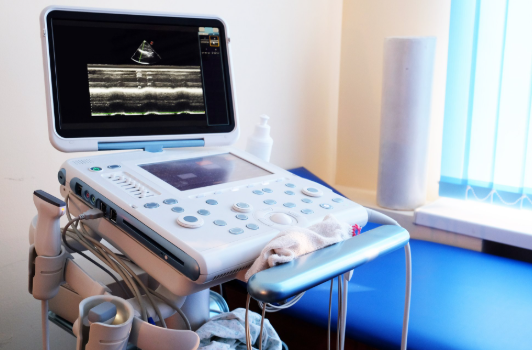
Ultrasound uses high-frequency sound waves to produce images of structures within the body. This technology is particularly effective for monitoring fetal development during pregnancy, as well as examining organs such as the liver, kidneys, and heart without the use of ionizing radiation.
Nuclear medicine involves the use of small amounts of radioactive materials for imaging or treatment purposes. Techniques such as positron emission tomography (PET) scans provide information about the function of organs and tissues, aiding in the diagnosis of conditions such as cancer, heart disease, and certain neurological disorders.
How Medical Imaging Works
Medical imaging encompasses a variety of technologies that allow healthcare professionals to visualize the internal structures of the body for diagnostic purposes. Each method employs distinct scientific principles and technologies, making it crucial to understand how these systems operate.
One of the most common imaging modalities is X-ray imaging, which relies on ionizing radiation to produce images. When X-rays pass through the body, they are absorbed at different rates by various tissues—denser materials such as bones absorb more radiation, resulting in a lighter appearance on the X-ray film. This differential absorption allows clinicians to identify fractures, infections, or tumors.
Magnetic Resonance Imaging (MRI) is another widely used technique that harnesses powerful magnetic fields and radio waves. In an MRI scanner, hydrogen atoms in the body are influenced by the magnetic field, causing them to emit signals. These signals are then captured to create detailed images of organs and soft tissues. MRI is particularly advantageous for visualizing the brain, muscles, and ligaments, providing high-resolution images without the use of ionizing radiation.
Ultrasound imaging, distinct from the previously mentioned methods, utilizes high-frequency sound waves to create images. A transducer emits sound waves that travel through the body, bouncing off various tissues. The returning echoes are then converted into visual representations. Ultrasound is often employed during pregnancy and for examining organs such as the heart and abdomen, as it is safe and does not involve radiation.
In addition, nuclear medicine utilizes traceable radioactive compounds known as radiotracers, which are administered to the patient. These substances accumulate in specific organs or tissues, emitting gamma radiation that a specialized camera detects, providing functional images. This approach is beneficial in assessing the functionality of organs, such as the thyroid or heart, allowing for an enhanced understanding of disease processes.
Advancements in Medical Imaging
Recent advancements in medical imaging technologies have fundamentally transformed diagnostic practices in hospitals. Innovations such as 3D imaging, artificial intelligence (AI), and refined imaging techniques have significantly enhanced the precision of medical diagnoses while also prioritizing patient safety.
3D imaging represents a significant leap forward in how we visualize anatomical structures. Unlike traditional 2D imaging, which can present challenges in evaluating complex anatomical relationships, 3D imaging provides comprehensive insights into the body’s interior. This technology allows radiologists and clinicians to manipulate images for better visualization, improving the accuracy of diagnoses and facilitating more precise treatment plans. Furthermore, it has proven indispensable in surgical planning and educational settings, aiding in the training of medical students and professionals.
Another noteworthy advancement is the integration of artificial intelligence in medical imaging. AI applications are revolutionizing the field by enabling quicker and more accurate image analysis. Machine learning algorithms can recognize patterns within vast datasets, assisting radiologists in identifying abnormalities that may be subtle or overlooked. These tools are particularly valuable in enhancing diagnostic accuracy, reducing the time required for interpretation, and potential human error. Thus, AI integration not only streamlines workflows but also optimizes patient outcomes.
Alongside these advancements, improved imaging techniques have also emerged. Innovations in imaging modalities such as MRI, CT, and PET scans have led to reduced radiation exposure for patients while maintaining or even enhancing image quality. Developments in digital X-ray systems and advanced detector technologies have heightened sensitivity and specificity in detecting various conditions. These upgrades contribute to safer imaging practices and align with the healthcare sector’s commitment to minimizing patient risks.
Applications of Medical Imaging in Different Specialties
Medical imaging technologies have become indispensable tools in a hospital setting, providing critical insights across various specialties such as oncology, cardiology, neurology, and orthopedics. Through the use of advanced imaging techniques, healthcare professionals are able to improve diagnosis, monitor disease progression, and enhance treatment strategies.
In the field of oncology, imaging plays a pivotal role in the early detection and evaluation of tumors. Techniques such as computed tomography (CT) and magnetic resonance imaging (MRI) enable oncologists to accurately visualize cancerous growths, determine their size, location, and stage, and assess the response to treatment. For instance, PET scans are often used in combination with CT to provide metabolic information about tumors, allowing for personalized treatment plans.
Cardiology significantly benefits from medical imaging technologies, particularly through echocardiograms and cardiac MRIs. These imaging modalities allow cardiologists to evaluate cardiac structure, assess blood flow, and identify abnormalities such as valvular heart disease or coronary artery blockages. Identifying these issues early can lead to timely interventions, potentially averting severe complications.
Neurology utilizes advanced imaging techniques such as MRI and functional MRI (fMRI) to diagnose and monitor conditions affecting the brain and spinal cord. These tools provide detailed images of neural structures, helping neurologists detect strokes, tumors, or degenerative diseases like multiple sclerosis and Alzheimer’s disease. The information gained from these imaging studies can influence treatment approaches and rehabilitation strategies.
In orthopedics, imaging technologies like X-rays and MRIs are crucial for visualizing musculoskeletal injuries and degenerative conditions. They assist orthopedic surgeons in diagnosing fractures, ligament tears, or arthritis by revealing the extent of damage and facilitating surgical planning. With accurate imaging, orthopedic specialists can deliver targeted therapies, promoting better recovery outcomes.
Benefits and Risks of Medical Imaging
Medical imaging technologies play a crucial role in modern healthcare, offering numerous benefits that significantly enhance patient management. One of the primary advantages of medical imaging is its ability to provide accurate and timely diagnoses. Techniques such as MRI, CT scans, and ultrasound allow healthcare professionals to visualize internal organs, tissues, and structures with remarkable detail. This enhanced visibility aids in the identification of various medical conditions, enabling physicians to develop effective treatment strategies tailored to individual patients.
Additionally, medical imaging can facilitate the monitoring of disease progression and treatment outcomes. For instance, follow-up imaging can be employed to evaluate the effectiveness of therapies for cancers or chronic diseases, allowing adjustments to be made based on the patient’s response. Furthermore, non-invasive imaging approaches greatly reduce the need for exploratory surgeries, which can pose a significant risk to patients.
Despite these benefits, there are inherent risks associated with medical imaging that must be carefully considered. One of the most notable concerns is radiation exposure, particularly from X-rays and CT scans. While radiologic technology has advanced to minimize exposure levels, repetitive or unnecessary imaging can accumulate radiation doses, potentially leading to adverse health effects over time. It is essential for healthcare providers to adhere to the principle of justification, ensuring that the benefits of imaging outweigh any associated risks.
Another consideration is the financial implications of diagnostic imaging. The costs related to imaging procedures can be significant, impacting patients’ access to necessary diagnostics. In an era where healthcare affordability is increasingly scrutinized, balancing the cost of medical imaging while ensuring quality patient care becomes imperative.
Understanding the Role of Radiologists
Radiologists are integral to the healthcare system, primarily known for interpreting medical imaging results. These specialists utilize a variety of imaging techniques, such as X-rays, CT scans, MRI scans, and ultrasounds, to diagnose and monitor medical conditions. The expertise of radiologists is critical in translating complex images into understandable diagnostic information for other healthcare providers.
Training for radiologists is extensive and rigorous. Typically, they complete a bachelor’s degree followed by a medical degree, which includes extensive coursework in subjects like anatomy, physiology, and pathology. After earning their medical degree, prospective radiologists undergo a residency program in radiology, usually lasting around four to five years. This residency includes hands-on training in interpreting images and performing procedures. Most radiologists further specialize in certain areas, such as pediatric radiology or interventional radiology, which involves minimally invasive procedures guided by imaging techniques. This continued education enhances their skill set and ensures they remain up to date with the latest advances in medical imaging technologies.
Moreover, radiologists collaborate closely with various healthcare professionals, including primary care physicians and specialists, to deliver patient-centered care. Their expertise is not merely confined to reading images; they often participate in multidisciplinary teams that discuss patient cases and recommend further actions based on imaging findings. By communicating effectively with referring physicians, radiologists help integrate imaging results into comprehensive treatment plans, thereby playing a pivotal role in the overall patient care journey.
Patient Experience in Medical Imaging
Medical imaging is a critical component of modern healthcare, providing essential insights into a patient’s condition. However, the experience associated with medical imaging can often be daunting for patients. Understanding the patient journey is paramount in ensuring comfort during procedures. Typically, when patients arrive for medical imaging, they will first encounter administrative processes requiring identification and insurance verification. This initial step is crucial for accurate records and patient safety.
Once the necessary paperwork is completed, patients are often guided to a waiting area before their procedure. During this time, healthcare providers can briefly explain what to expect, alleviating common apprehensions related to medical imaging procedures such as MRI, CT scans, and X-rays. Each of these imaging studies can involve different protocols, yet patients can expect a consistent emphasis on their safety and comfort across all types.
Preparation for an imaging study varies significantly depending on the specific test. For instance, patients may be instructed to refrain from eating or drinking for a certain period before certain scans. Understanding and following preparation guidelines can significantly enhance the quality of the images produced, allowing for more accurate diagnosis and treatment planning. Additionally, it is crucial for patients to disclose any medications they are currently taking, allergies, or previous surgeries, as this information will aid in providing safer and more effective imaging services.
It is also important to address common misconceptions surrounding medical imaging. Some patients fear the procedures may be painful or harmful. However, most imaging studies are non-invasive and designed with patient safety as a priority. Furthermore, the technological advancements in medical imaging have considerably reduced the duration of many procedures, further minimizing discomfort and anxiety. As such, understanding the patient experience in medical imaging is not only essential for receiving care but also for fostering a supportive environment that promotes ease and reassurance throughout the imaging process.
The Future of Medical Imaging
The future of medical imaging holds significant promise, driven by rapid technological advancements and the increasing demand for precise diagnostic tools. Emerging imaging technologies are poised to enhance patient outcomes while also raising important ethical considerations that healthcare organizations must address.
In the coming years, we anticipate the integration of artificial intelligence (AI) into medical imaging. AI algorithms can assist radiologists in interpreting images with greater speed and accuracy. By learning from vast amounts of data, AI can help identify patterns and anomalies that may be overlooked by the human eye. Furthermore, advancements in machine learning are expected to foster the development of personalized imaging, where modalities are customized based on individual patient characteristics, ultimately leading to improved diagnosis and treatment plans.
Alongside technological innovations, hospitals will need to adapt their practices to fully leverage these advancements in medical imaging. This includes investing in training for healthcare professionals to ensure they are adept at using new tools and technologies. Moreover, interoperability between various imaging systems and electronic health records will be crucial in facilitating seamless workflows, reducing redundancies, and enhancing patient care.
However, as we embrace these innovations, ethical considerations surrounding patient privacy, data security, and informed consent must also be examined. The collection and use of vast amounts of patient data can lead to concerns regarding confidentiality and the potential misuse of sensitive information. Addressing these issues will be essential in maintaining trust between patients and healthcare providers.
In summary, the future of medical imaging is set to be transformative, characterized by cutting-edge technologies and a focus on ethical practices. As hospitals adapt to these changes, the potential to enhance patient care through improved diagnostic capabilities will become increasingly achievable.