
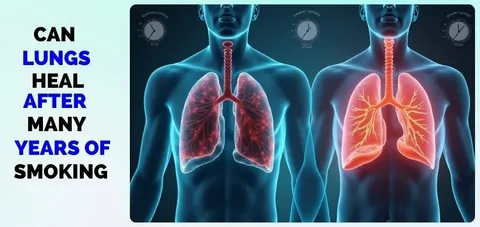


Smoking is one of the most damaging habits a person can have for their long-term health, and the lungs bear the greatest burden of that damage. Years of exposure to tobacco smoke leave the airways inflamed, the lung tissue scarred, and the tiny hair-like structures called cilia that sweep out mucus and debris paralyzed and destroyed. For many smokers, the fear that the damage is already done and irreversible becomes a reason to keep smoking rather than a motivation to stop. This belief, while understandable, is not entirely accurate. The human body has a remarkable capacity for repair, and the lungs begin recovering from the effects of smoking far sooner than most people expect. If you are a current or former smoker concerned about your lung health, consulting a qualified Thoracic Surgeon ensures that any structural lung damage is assessed thoroughly and managed with the highest level of surgical and clinical expertise.
What Smoking Does to the Lungs Over Time
Every cigarette a person smokes deposits thousands of toxic chemicals directly into the airways and lung tissue. Tar coats the inner lining of the bronchial tubes, nicotine constricts blood vessels, reducing oxygen delivery to lung tissue, and carbon monoxide displaces oxygen in the bloodstream. Over time, the airways become chronically inflamed and narrowed, the air sacs called alveoli that are responsible for oxygen exchange begin to break down, and the lungs lose their natural elasticity. This progressive destruction underlies conditions such as chronic obstructive pulmonary disease, emphysema, and chronic bronchitis and significantly raises the risk of lung cancer. The longer a person smokes and the more heavily they smoke, the more extensive this damage becomes. However, the critical point that most people miss is that stopping smoking at any age, even after decades, initiates a healing process that produces real and measurable improvements in lung function and overall health. A dedicated Pulmonologist plays a central role in assessing the current state of your lung function, guiding your recovery after quitting, and managing any ongoing respiratory conditions that require medical treatment.
What Happens to the Lungs After You Quit
The healing timeline after quitting smoking is both encouraging and well-documented. Within just twenty minutes of the last cigarette, heart rate and blood pressure begin to normalize. Within twelve hours, carbon monoxide levels in the blood drop to normal, allowing more oxygen to reach tissues, including the lungs. Within two weeks to three months, circulation improves, and lung function begins to increase measurably. Within one to nine months, the cilia in the airways begin to regrow and regain function, improving the lungs’ ability to clear mucus, reduce inflammation, and fight infection. Many former smokers notice a significant reduction in coughing and breathlessness during this period. Within one year of quitting, the excess risk of coronary heart disease drops to half that of a current smoker. Within ten years, the risk of lung cancer falls to approximately half that of someone who continues to smoke.
What the Lungs Cannot Fully Recover From
While the healing process is real and significant, it is important to be honest about what the lungs can and cannot reverse after long-term smoking. The destruction of alveoli that occurs in emphysema is largely permanent, as these delicate air sacs cannot regenerate once they have been destroyed. Significant scarring of lung tissue, known as fibrosis, also tends to be irreversible. Patients with advanced COPD will not regain full lung function even after quitting, though the rate of further decline slows dramatically, and symptoms often improve meaningfully. This is precisely why quitting sooner rather than later produces the greatest benefit, as it preserves more functional lung tissue before irreversible damage accumulates beyond a certain threshold.
How Quitting Smoking Changes Your Health Beyond the Lungs
The benefits of quitting smoking extend well beyond the respiratory system. Cardiovascular risk drops significantly, stroke risk decreases, and the immune system strengthens, making the body better equipped to fight infections and recover from illness. Skin quality improves as circulation normalizes, and the risk of cancers affecting the mouth, throat, esophagus, bladder, and kidney also decreases over time. For surgical patients, quitting smoking before any planned procedure reduces complications significantly, as smoking impairs wound healing, increases infection risk, and compromises anesthetic management.
Conclusion
Quitting smoking is the single most powerful decision a person can make for their lung health and overall well-being. The lungs begin healing within hours of the last cigarette, and the benefits compound progressively over months and years. While not every consequence of long-term smoking can be fully reversed, the improvements in function, symptoms, and disease risk that follow cessation are real, significant, and life-changing. It is never too late to stop, and it is never too early to seek specialist support in understanding and protecting the health of your lungs.
Frequently Asked Questions
Q1. How long after quitting smoking do lungs start to heal?
The healing process begins within hours of quitting. Cilia start regrowing within weeks, lung function improves measurably within three months, and significant reductions in infection risk and breathlessness are commonly noticed within the first year of stopping.
Q2. Can lungs fully recover after twenty or thirty years of smoking?
Partial recovery is possible even after decades of smoking, with meaningful improvements in symptoms, infection resistance, and cancer risk. However, structural damage such as emphysema and significant fibrosis is largely permanent, which is why quitting earlier in life produces the greatest long-term benefit.
Q3. What is the best way to quit smoking successfully?
Combining nicotine replacement therapy or prescription cessation medications with behavioral support and counseling produces the highest success rates. A pulmonologist can guide a personalized cessation plan and monitor lung function improvements throughout the process.
Q4. Will my cough get worse before it gets better after quitting?
Yes, many former smokers experience a temporary increase in coughing in the first few weeks after quitting. This happens because the cilia are regrowing and becoming more active, clearing out the accumulated mucus and debris that had built up during years of smoking.
Q5. Should I get a lung screening even after quitting smoking?
Yes. Former smokers, particularly those with a significant smoking history, are recommended to undergo low-dose CT lung screening annually to detect any early changes that may indicate lung cancer or other serious conditions while they are still in their most treatable stage.