
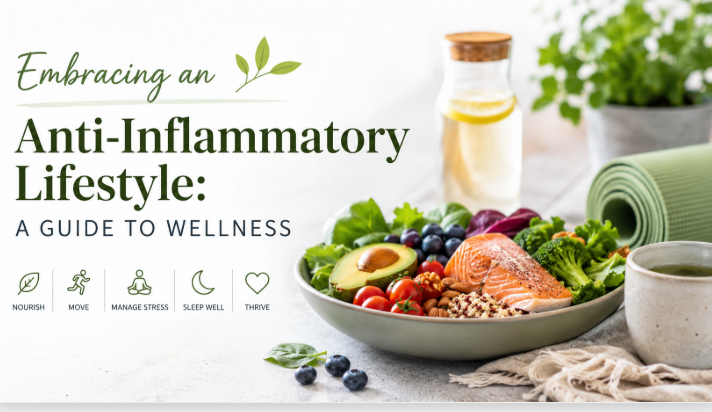


Understanding Inflammation: The Good and the Bad
Inflammation is a complex biological response initiated by the body to protect itself from injury, infection, or harmful stimuli. It serves as a defense mechanism, playing a pivotal role in healing and recovery. There are two primary types of inflammation: acute and chronic. Acute inflammation occurs as a short-term response to an injury or infection, characterized by redness, heat, swelling, and pain. This process is essential, as it allows the body’s immune system to act effectively and begin the healing process.
In contrast, chronic inflammation is a prolonged and often inappropriate response that can persist for months or years. It may emerge due to a variety of factors, including autoimmune diseases, persistent infections, or continual exposure to irritants. Unlike acute inflammation, which resolves once the underlying issue is addressed, chronic inflammation can lead to significant health problems. Research suggests that chronic inflammation is linked to numerous conditions, such as heart disease, diabetes, and certain cancers, making it crucial to understand its implications.
Recognizing the signs and symptoms of chronic inflammation is vital for maintaining overall health. Common indicators may include fatigue, fever, and digestive issues, accompanied by persistent pain in various parts of the body. Additionally, skin conditions such as psoriasis or eczema may signal underlying lasting inflammation. Early identification and management of inflammation can aid in mitigating adverse health effects, making awareness of its nuances vital for enhancing one’s well-being.
Ultimately, understanding the dual nature of inflammation enables individuals to appreciate its protective roles while recognizing the potential risks associated with chronic inflammation. Developing strategies to manage and reduce chronic inflammatory responses can significantly impact one’s health, paving the way for an optimal, anti-inflammatory lifestyle.
The Importance of Diet in Reducing Inflammation
Diet plays a crucial role in influencing inflammation levels in the body. Certain foods are known to promote inflammation, while others can actively help mitigate it. A deeper understanding of these dietary components is essential for anyone seeking to embrace an anti-inflammatory lifestyle.
Foods high in refined sugars and trans fats are often linked to increased inflammation. Such foods can trigger a cascade of biochemical reactions, leading to higher levels of inflammatory markers in the body. On the contrary, an anti-inflammatory diet emphasizes the consumption of whole foods rich in beneficial nutrients. Key nutrients that support this type of diet include omega-3 fatty acids, antioxidants, and fiber.
Omega-3 fatty acids can be found in fatty fish, flaxseeds, and walnuts. These healthy fats are well-regarded for their ability to reduce inflammation and promote heart health. Antioxidants, abundant in fruits and vegetables, combat oxidative stress that contributes to inflammation. For instance, berries, leafy greens, and nuts are excellent sources. Additionally, fiber-rich foods such as whole grains, legumes, and a variety of fruits and vegetables can aid in reducing inflammation by promoting a healthy gut microbiome.
Incorporating these foods into daily meals can be both enjoyable and straightforward. A practical approach involves replacing processed snacks with nuts and seeds or enjoying a hearty salad complemented with fatty fish. Embracing dietary patterns like the Mediterranean diet can also yield significant benefits. This diet emphasizes whole foods, the inclusion of healthy fats, and a balance of macronutrients, all while prioritizing anti-inflammatory ingredients.
In conclusion, by consciously choosing anti-inflammatory foods and minimizing those that promote inflammation, individuals can significantly improve their overall health and well-being. A mindful dietary approach not only aids in reducing inflammation but also contributes to a long-term commitment to wellness.
Holistic Approaches: Mindfulness and Stress Management
The relationship between stress and inflammation cannot be overstated, as chronic stress can exacerbate inflammatory responses within the body. Mindfulness practices, including meditation, yoga, and deep breathing exercises, offer effective strategies for managing stress and reducing inflammation.
Meditation, a technique rooted in ancient traditions, encourages individuals to focus their minds and cultivate a state of calmness. Research has shown that regular meditation can decrease the levels of stress hormones, such as cortisol, which are known to contribute to inflammation. By incorporating meditation into daily routines, individuals can foster a sense of peace and enhance their overall emotional well-being, ultimately supporting an anti-inflammatory lifestyle.
Yoga, which combines physical postures, breathing exercises, and meditation, has also been clinically proven to diminish stress levels. It promotes relaxation and improves bodily awareness, allowing individuals to connect their mental and physical states. Studies have indicated that regular yoga practice can lead to reduced inflammation markers in the body, making it an outstanding complement to an anti-inflammatory lifestyle.
Deep breathing exercises serve as an accessible way to alleviate immediate stress. This technique activates the body’s relaxation response, leading to lower heart rates and reduced muscle tension. By focusing on the breath, individuals can quickly center themselves, taking a moment to disengage from their daily stressors. Employing this practice can be advantageous in preventing stress-induced inflammation.
Integrating these mindfulness practices into daily life can foster resilience against stress and reduce inflammation, contributing positively to overall health. By doing so, individuals not only promote wellness but also embrace a proactive approach to managing their physical and mental health in the long term.
Physical Activity: A Natural Anti-Inflammatory Tool
Regular physical activity is recognized as a critical component in managing inflammation levels within the body. Inflammation is a natural response to injury or infection; however, chronic inflammation can lead to various health issues including heart disease, diabetes, and arthritis. Engaging in consistent exercise acts as a natural anti-inflammatory tool, effectively mitigating these risks and enhancing overall wellness.
Aerobic activities such as walking, running, cycling, and swimming have been shown to decrease inflammatory markers. These exercises boost cardiovascular health and enable improved circulation, which plays a role in reducing excessive inflammation. The recommended duration for aerobic exercise typically ranges from 150 to 300 minutes per week, a goal that supports both inflammation reduction and improved fitness.
Strength training is another key element of an effective anti-inflammatory exercise regimen. Engaging in resistance exercises not only enhances muscle strength but also increases metabolism and supports immune function. Incorporating strength training at least two times a week allows for better hormone regulation and a prospective decrease in inflammatory compounds within the body.
Flexibility exercises such as yoga or stretching can also serve as an adjunct to both aerobic and strength training routines. These practices help reduce muscle tension and improve range of motion, which may indirectly contribute to lowering inflammation levels. Additionally, mindful approaches such as yoga can decrease stress, further supporting the anti-inflammatory response in the body through relaxation and mental wellness.
In conclusion, incorporating a diverse range of exercises into one’s routine—encompassing aerobic activities, strength training, and flexibility work—provides multiple benefits, including significant reductions in inflammation. Creating a sustainable exercise routine tailored to individual preferences and physical capabilities is essential for long-term adherence and maximal benefits.
Sleep’s Role in Maintaining an Anti-Inflammatory Lifestyle
Sleep is a fundamental pillar of health, intimately linked to the body’s inflammatory response. Research has shown that inadequate or poor-quality sleep can lead to heightened levels of inflammation in the body. Sleep deprivation disrupts the regulation of key hormones and cytokines that play crucial roles in the immune system, potentially resulting in increased inflammatory markers. Chronic inflammation is associated with numerous health issues, including cardiovascular diseases, diabetes, and even certain cancers, making sleep an essential factor in maintaining an anti-inflammatory lifestyle.
One of the essential physiological processes that occurs during sleep is the release of cytokines, proteins that aid in the immune response. These proteins are vital for fighting off infections and inflammation. When sleep is compromised, particularly through chronic sleep deprivation, the production of these protective cytokines diminishes, leading to an oversensitive inflammatory response. Consequently, this can exacerbate existing health conditions or promote the development of new inflammatory disorders.
To enhance sleep quality and, in turn, support an anti-inflammatory lifestyle, individuals should prioritize good sleep hygiene. Establishing a consistent bedtime routine is paramount; going to bed and waking up at the same time every day helps regulate the body’s internal clock. This consistency not only improves sleep duration but also enhances the overall quality of sleep. Creating a serene sleep environment is equally important. This includes ensuring a dark, quiet, and cool room, which fosters the right conditions for restful sleep. Also, reducing screen time before bed and engaging in calming activities such as reading or meditation can significantly improve sleep onset and promote a deeper restorative sleep.
By making sleep a priority and adopting healthy sleeping habits, individuals can effectively manage inflammation levels and promote overall wellness, paving the way for an anti-inflammatory lifestyle.
The Effects of Alcohol and Smoking on Inflammation
Alcohol consumption and smoking are two lifestyle choices that can significantly contribute to inflammation in the body. Research has shown a direct correlation between both habits and the production of inflammatory markers. Excessive alcohol intake has been found to promote inflammation, particularly in the liver, where it can lead to alcoholic liver disease characterized by steatosis, hepatitis, and fibrosis. Studies indicate that chronic drinkers exhibit elevated levels of C-reactive protein (CRP), a key marker for inflammation. Furthermore, a meta-analysis suggests that even moderate alcohol consumption may increase the risk of developing inflammatory-related conditions such as arthritis and cardiovascular disease.
Similarly, smoking is a well-documented risk factor for systemic inflammation. Cigarette smoke contains thousands of chemicals that induce oxidative stress and disrupt the body’s normal inflammatory response. Smokers may experience elevated levels of pro-inflammatory cytokines, which can exacerbate chronic inflammatory conditions such as asthma, chronic obstructive pulmonary disease (COPD), and rheumatoid arthritis. The World Health Organization estimates that tobacco use contributes to more than six million deaths annually, a statistic that underscores its severe impact on overall health.
Quitting smoking and reducing alcohol intake can lead to significant health improvements. For instance, one study shows that individuals who stop smoking experience a decrease in inflammatory markers within weeks. Similarly, cutting back on alcohol can enhance liver health and reduce inflammation levels. Practical strategies for making these lifestyle changes include setting realistic goals, seeking professional help or counseling, and utilizing support groups. Gradually reducing intake and identifying potential triggers are vital steps towards achieving a healthier, anti-inflammatory lifestyle. Ultimately, embracing these changes can lead to improved well-being and a lower risk of chronic inflammation-related diseases.
Supplementation for Inflammation Management
Chronic inflammation can significantly impact overall health, making it essential to explore supplementary options that may help manage inflammation effectively. Among the most studied supplements are curcumin, fish oil, and ginger, each known for its anti-inflammatory properties.
Curcumin, the active component in turmeric, has garnered attention for its ability to inhibit various inflammatory pathways. Studies suggest that a daily dosage ranging from 500 to 2000 mg can be beneficial for reducing inflammation. It is particularly effective when consumed in conjunction with black pepper, which enhances its absorption in the body. However, some individuals may experience stomach upset or other gastrointestinal issues, necessitating a discussion with a healthcare provider before starting supplementation.
Fish oil, rich in omega-3 fatty acids, is another prominent supplement known for its anti-inflammatory effects. Regular consumption of fish oil can lead to improved inflammatory response, with recommended doses typically between 1000 and 3000 mg per day. While fish oil is generally considered safe, it may lead to side effects such as a fishy aftertaste or gastrointestinal discomfort. Individuals on blood-thinning medications should approach fish oil supplementation cautiously due to its potential blood-thinning properties.
Ginger, a common spice with numerous health benefits, has also been studied for its role in inflammation management. The recommended dosage for ginger supplementation ranges from 500 to 2000 mg daily. Some individuals may experience heartburn or digestive discomfort, highlighting the importance of consulting with a healthcare provider prior to initiating ginger supplements.
It is vital to approach supplementation thoughtfully. Discussing any new supplements with a healthcare professional can aid in ensuring safety, effectiveness, and compatibility with existing health conditions or medications. By choosing the right dietary supplements, individuals can support their anti-inflammatory lifestyle effectively.
Building a Supportive Community for Anti-Inflammatory Living
Embracing an anti-inflammatory lifestyle can be significantly enhanced by surrounding oneself with a supportive community. Interaction with like-minded individuals who share similar health goals can provide encouragement, accountability, and a wealth of knowledge about maintaining a healthy lifestyle. Establishing connections within this community not only fosters motivation but also offers practical resources for achieving anti-inflammatory health.
One effective way to build this network is by participating in local cooking clubs that focus on anti-inflammatory recipes. These clubs provide a platform for individuals to come together, share culinary techniques, and discover nutrition-rich foods that specifically combat inflammation. Cooking classes or group meal preparations can also serve as avenues for creating strong bonds and reinforcing healthy habits while exploring new culinary traditions.
Likewise, exercise groups or wellness-focused local meet-ups offer excellent opportunities for collaboration and support. Engaging in group fitness activities, such as yoga, hiking, or dance classes, not only boosts physical health but also cultivates camaraderie among participants. Such an environment promotes personal goal-setting and collective achievements, making it easier to stick to fitness regimes that align with an anti-inflammatory lifestyle.
Moreover, leveraging technology to connect with online communities dedicated to anti-inflammatory living is essential in today’s digital age. Social media platforms, forums, or health-focused apps that bring together individuals interested in reducing inflammation can provide a wealth of shared experiences, recipes, and tips. Such virtual networks can enhance motivation and create an ongoing dialogue around maintaining healthy practices.
A robust support system of friends and family plays a crucial role as well. Encouraging loved ones to adopt healthier choices reinforces one’s commitment to anti-inflammatory living. Sharing meals, engaging in physical activities together, or discussing goal achievements fosters a positive atmosphere conducive to maintaining this lifestyle.
Long-Term Strategies for an Anti-Inflammatory Lifestyle
Adopting an anti-inflammatory lifestyle requires commitment and a structured approach, promoting not just immediate benefits but also long-term health. Engaging in sustainable practices is crucial for success in reducing inflammation over time. One effective strategy is setting realistic and achievable goals. Start with small changes, such as incorporating more anti-inflammatory foods into your diet, which include fruits, vegetables, whole grains, and healthy fats. Gradually increase these changes to make the transition easier and less overwhelming.
Another important aspect is the establishment of a consistent routine. Consistency helps reinforce new habits, making it easier to adhere to an anti-inflammatory lifestyle. Aim to prepare home-cooked meals a few times each week, allowing you to control ingredients and portions. Consider meal prepping at the start of the week; this can save time and lead to healthier choices on busy days.
Physical activity should also be woven into your daily life, with activities tailored to your personal preferences. Whether it is walking, cycling, or yoga, finding an enjoyable form of exercise increases the likelihood of maintaining it as a lifelong practice. Aim for at least 150 minutes of moderate exercise each week, complemented by sessions of strength training.
Maintaining motivation is key. Track your progress and celebrate milestones; even small victories contribute to a sustained commitment. Engage with a community, whether online or in person, that shares similar health goals. Support from others can bolster your resolve and provide encouragement.
Lastly, regularly remind yourself of the myriad benefits associated with an anti-inflammatory lifestyle, including improved energy levels, better immune function, and reduced chronic disease risk. By consistently integrating these practices into your daily routine, you cultivate a lifestyle that not only combats inflammation but also enhances overall well-being.