


Introduction to Human Physiology and Its Relevance to Fitness
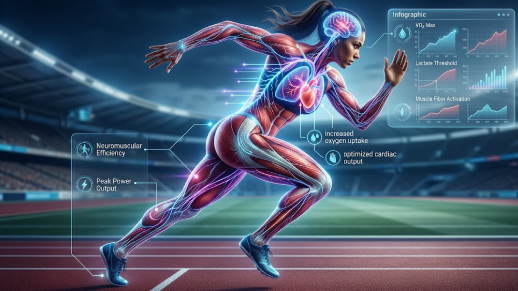
Human physiology is the scientific study of the functions and mechanisms in a living human organism. Understanding the intricate systems of the human body is essential for comprehending their roles in physical fitness and performance. This exploration encompasses various biological systems that work synergistically during exercise, particularly the muscular, cardiovascular, and respiratory systems.
The muscular system is crucial for enabling movement and exerting force. It comprises three types of muscles: skeletal, smooth, and cardiac. Skeletal muscles are paramount for voluntary movements and play a significant role during physical activities. These muscles respond to the central nervous system’s signals, allowing individuals to perform a wide range of exercises, thereby influencing muscular strength, endurance, and hypertrophy, all of which are important components of overall fitness performance.
Equally important is the cardiovascular system, which includes the heart, blood vessels, and blood. This system is responsible for transporting nutrients and oxygen to the tissues, removing waste products, and regulating body temperature. During exercise, the heart rate increases to enhance oxygen delivery to working muscles. Improved cardiovascular fitness is associated with lower risks of chronic diseases and better endurance performance, essential for athletes and fitness enthusiasts.
The respiratory system works in tandem with the cardiovascular system to facilitate gas exchange. It includes the lungs and airways, allowing for the intake of oxygen and expulsion of carbon dioxide. Effective respiratory function is vital during exercise, as oxygen is a key player in energy production within muscles. Enhanced respiratory efficiency directly correlates with improved stamina and overall fitness.
Understanding the fundamentals of human physiology and its impact on fitness helps individuals tailor their training and nutrition regimens for optimal performance. Knowledge of these physiological systems lays a solid foundation for appreciating how the body adapts to various fitness challenges.
Understanding Muscle Physiology and Strength Training
The intricacies of muscle physiology are essential to understanding how strength training can enhance fitness performance. Muscles are primarily composed of two different fiber types: Type I (slow-twitch) and Type II (fast-twitch) fibers. Type I fibers are more efficient for endurance activities as they are capable of prolonged contractions, relying primarily on aerobic metabolism. In contrast, Type II fibers are designed for short bursts of speed and power, utilizing anaerobic metabolism. The recruitment of these muscle fiber types varies depending on the intensity and duration of the exercise performed.
When engaging in strength training, the body undergoes various physiological adaptations that are critical for enhancing physical performance. One of the most significant adaptations is muscle hypertrophy, which refers to the increase in muscle size due to an enlarged cross-sectional area of the fibers. Hypertrophy occurs as a response to the mechanical stress placed on the muscles during resistance training, leading to micro-tears in muscle fibers. The body repairs these tears, resulting in stronger and larger muscles. This process typically involves adequate protein intake and recovery strategies to facilitate muscle repair and growth.
Furthermore, strength training also improves neuromuscular efficiency, which is the ability of the nervous system to activate muscle fibers more effectively. Enhanced neuromuscular coordination leads to increased strength and agility during physical activities. This adaptation is vital not only for athletes looking to optimize their performance but also for individuals seeking to improve their overall fitness. By understanding these fundamental principles of muscle physiology and strength training, one can better appreciate how these adaptations contribute to improved fitness performance and overall health.
The Role of Cardiovascular Physiology in Endurance Performance
The cardiovascular system, comprising the heart, blood vessels, and lungs, is fundamental to sustaining endurance during prolonged physical activity. This intricate system effectively transports oxygen and essential nutrients to active muscles while facilitating the removal of metabolic waste products such as carbon dioxide and lactic acid. The synchronization of these components plays a critical role in optimizing athletic performance, particularly in endurance sports.
Central to cardiovascular efficiency is the heart, which pumps oxygen-rich blood throughout the body. The size, strength, and pumping capacity of the heart adapt to training, a phenomenon known as cardiac remodeling. Individuals with higher levels of cardiovascular fitness tend to experience lower resting heart rates, an increased stroke volume, and more significant cardiac output during exercise, all of which contribute to enhanced endurance capabilities. Moreover, these adaptations ensure that more oxygen can be delivered to working muscles, thus delaying the onset of fatigue.
The vascular system also undergoes significant adaptations in response to endurance training. Regular aerobic activity leads to increased capillarization and improved blood flow, enhancing the delivery of oxygen and nutrients to muscle tissues. Furthermore, the efficiency of oxygen utilization at the cellular level improves, illustrating the body’s capacity to meet heightened demands during prolonged exercise.
In addition, lung function is critical in facilitating optimal oxygen uptake. A robust respiratory system allows for better ventilation and gas exchange, crucial during endurance performance. Training can lead to improved lung capacity and efficiency, playing an integral role in sustaining efforts over time.
Overall, understanding the role of cardiovascular physiology reveals the profound connection between enhanced fitness levels and superior endurance performance. These adaptations not only increase athletic potential but also contribute to overall health and well-being.
Metabolism and Energy Systems in Fitness Activities
The human body relies on complex metabolic processes that provide the energy necessary for physical activities. There are three primary energy systems that power exercise: the ATP-PC system, anaerobic glycolysis, and aerobic metabolism. Each system plays a crucial role depending on the type and intensity of the activity performed.
The ATP-PC system, or adenosine triphosphate-phosphocreatine system, is the body’s immediate energy system. It is predominantly utilized in high-intensity, short-duration activities such as sprinting or weightlifting, where energy is needed instantaneously. This system can sustain energy for approximately 10 seconds, relying on stored ATP and phosphocreatine within the muscles.
In contrast, anaerobic glycolysis steps in when exercises exceed the capacity of the ATP-PC system. This energy pathway allows for the breakdown of glucose without the use of oxygen, producing energy in a relatively quick manner, albeit with the by-product of lactic acid. This system typically supports activities lasting from 30 seconds to 2 minutes, making it ideal for activities such as 400-meter sprints or high-intensity interval training (HIIT).
Lastly, aerobic metabolism becomes the dominant energy system during prolonged, moderate-intensity exercise. This pathway efficiently utilizes oxygen to produce energy from carbohydrates and fats, allowing sustained physical activity for longer durations. Activities such as distance running or cycling primarily engage the aerobic system. Understanding these three energy systems and their roles can significantly enhance fitness strategies.
Proper nutrition is essential for fueling these energy systems. Consuming an appropriate balance of macronutrients—carbohydrates, proteins, and fats—plays a vital role in optimizing performance and recovery. For instance, carbohydrates are crucial for replenishing glycogen stores, which are vital for the anaerobic and aerobic energy systems. Thus, knowledge of metabolism and energy provision can empower individuals to tailor their nutrition and training for improved fitness outcomes.
The Impact of Hormonal Regulation on Performance and Recovery
Hormonal regulation plays a crucial role in influencing both performance and recovery during and after exercise. A complex interplay of hormones acts to optimize physiological responses, enhancing athletic capabilities while ensuring effective recovery processes. Key hormones involved in this intricate balance include adrenaline, cortisol, and growth hormone.
Adrenaline, produced by the adrenal glands, is released during intense exercise. It significantly increases heart rate, elevates blood pressure, and boosts energy availability by promoting the breakdown of glycogen in the liver and muscles. This immediate response enhances physical performance, allowing athletes to exert greater effort. However, the prolonged presence of high adrenaline levels can lead to fatigue and impaired recovery if adequate rest and resources are not made available.
Cortisol, often referred to as the stress hormone, also plays a dual role in fitness. It aids in energy regulation during prolonged physical challenges by mobilizing fats and proteins for metabolism. While its secretion is beneficial in the short term, chronic high levels of cortisol can negatively impact muscle repair, immune function, and overall recovery. Effective management of cortisol levels through rest, nutrition, and stress reduction techniques is crucial for athletes looking to optimize performance and recovery cycles.
On the other hand, growth hormone is paramount for muscle repair and growth. Its levels tend to rise significantly during sleep and following exercise, promoting protein synthesis and muscle recovery. Engaging in high-intensity workouts can further stimulate its release, contributing to increased strength and performance over time. Therefore, understanding the roles of these hormones and how they fluctuate can aid athletes in tailoring their training and recovery strategies more effectively.
Neuroscience of Exercise: Brain Function and Physical Performance
Exercise plays a crucial role in enhancing brain function, which, in turn, influences physical performance. The intricate relationship between physical activity and brain health has drawn considerable attention in the fields of neuroscience and sports science. Engaging in regular exercise stimulates neurogenesis, the process through which new neurons are formed, particularly in the hippocampus, a region vital for learning and memory. This underscores the importance of exercise not just for physical fitness but also for cognitive well-being.
Physical activity is shown to improve mental health by promoting the release of neurotransmitters such as endorphins and serotonin, which can help alleviate symptoms of anxiety and depression. These biochemical changes enhance motivation and mood, ultimately leading to improved performance during physical activities. Additionally, the act of exercising boosts concentration and focus, enabling individuals to maintain better situational awareness during their workouts or sports.
The complexity of motor control is also tied to the brain’s functionality. Exercise contributes to the development of neural pathways that enhance coordination and muscle memory. As one practices various movements, the brain reinforces the necessary connections, leading to more efficient and precise muscle contractions. This neurological optimization allows individuals to perform exercises with greater effectiveness, reducing the likelihood of injury and improving overall athletic performance.
Moreover, neurological studies indicate that the brain’s plasticity – its ability to adapt and reorganize itself – is positively influenced by consistent physical exertion. This adaptability is essential for athletes, who must continuously refine their skills to perform optimally. Overall, understanding the neuroscience of exercise is integral to grasping how our brain’s health directly interplays with our physical performance, forming a holistic view of fitness that recognizes both mental and physical dimensions.
The Influence of Age and Genetic Factors on Fitness Performance
The relationship between age, genetics, and fitness performance is multidimensional and complex. As individuals progress through different life stages, their physiological capabilities undergo significant transformations. These changes are often characterized by declines in muscle mass, bone density, and cardiovascular function, all of which can profoundly affect an individual’s fitness potential. Age-related physiological changes can lead to a reduced capacity for high-intensity exercise and may result in increased recovery times after workouts.
Furthermore, genetic factors play a critical role in determining fitness performance. Genetics can influence various physiological traits such as muscle fiber composition, metabolism, and aerobic capacity. Certain individuals may possess a genetic predisposition that allows them to excel in specific athletic disciplines, while others may face inherent limitations that could affect their performance and training adaptations. This variance highlights the necessity for a tailored approach to fitness, taking into account both age and genetic predispositions.
When designing personalized fitness plans, it is essential to consider the implications of these factors on training adaptations and injury risks. For instance, older adults are often more susceptible to injuries due to diminished agility and muscle strength. Training programs for this demographic must focus on enhancing stability, flexibility, and strength while being mindful of previous injuries and other medical conditions. In contrast, younger individuals might benefit from a more aggressive training regimens, provided they are adequately supervised to mitigate injury risks.
The interplay between age and genetics underscores the importance of personalized fitness programs. By assessing individual differences, practitioners can create targeted strategies that maximize fitness potential while addressing the unique challenges posed by aging and genetic predisposition, thereby supporting individuals in achieving their health and fitness goals.
Integrating Recovery and Nutrition into Fitness Regimens
In the multifaceted realm of fitness, recovery and nutrition stand out as pivotal aspects that significantly influence performance outcomes. Recovery is not merely a passive process; it is an essential component in any fitness regimen. Adequate sleep, hydration, and nutritional choices are vital for the body’s restoration and adaptation following physical exertion. Sleep, in particular, plays a crucial role in muscle recovery and hormonal balance. During deep sleep, the body undertakes repair processes, including muscle protein synthesis and the release of growth hormone, both of which are essential for performance enhancement.
Hydration is equally critical, as fluids support various physiological functions, including thermoregulation and nutrient transport. Dehydration, even at mild levels, can significantly impair strength, endurance, and cognitive function, leading to reduced performance. Therefore, athletes and fitness enthusiasts must prioritize water intake, particularly before, during, and after exercise, to maintain optimal hydration levels.
Dietary choices also play a crucial role in recovery. The timing of nutrient intake, particularly following exercise, is vital for maximizing recovery potential. Consuming a balanced meal or snack rich in carbohydrates and protein shortly after a workout can replenish glycogen stores and support muscle repair. Additionally, attention to nutrient composition is necessary; incorporating a variety of vitamins and minerals ensures an athlete’s diet supports overall health and improves performance outcomes.
Furthermore, understanding the relationship between macronutrients and athletic performance is essential. Carbohydrates serve as a primary energy source during high-intensity workouts, while proteins are fundamental in muscle repair. Healthy fats also contribute to sustained energy levels. By integrating recovery strategies and appropriate nutrition into their fitness regimens, individuals can enhance their performance, minimize injury risk, and promote long-term health.
Conclusion: Enhancing Fitness Performance Through Understanding Physiology
Understanding the intricate relationship between advanced human physiology and fitness performance is essential for anyone looking to enhance their physical capabilities. As we explored throughout this discussion, various physiological factors such as muscle fiber composition, cardiovascular endurance, and metabolic pathways all play critical roles in determining an individual’s fitness outcomes. By grasping how these systems interact, one can tailor their training regimens to optimize performance.
Furthermore, knowledge of human physiology informs decision-making regarding recovery, nutrition, and exercise selection, all of which are vital for maximizing fitness gains. For instance, comprehending how different energy systems work can lead to more effective training strategies, allowing individuals to train smarter rather than harder. This insight can also aid in preventing injuries, as physical exercise based on a solid understanding of physiology may reduce the risk of overtraining and associated issues.
As fitness enthusiasts or professionals, applying this understanding can significantly enhance program design, ensuring that exercises are not only effective but also suitable for the individual’s physiology. From periodization approaches to specificity in training, awareness of one’s physiological traits can drive better results.
In conclusion, leveraging our knowledge of advanced human physiology is paramount in the quest for improved fitness performance. By systematically applying these principles in personal training, adjustments can be made to optimize outcomes, fostering a sustainable and effective fitness journey. Thus, enhancing one’s capability to achieve their fitness goals significantly hinges on a deep appreciation and understanding of the underlying physiological mechanisms at play.