


Introduction to Biohacking
Biohacking, often described as the practice of self-experimentation, is an innovative movement that aims to enhance personal health and well-being through various techniques and technologies. It encompasses a wide array of approaches ranging from simple lifestyle changes to advanced scientific methods. The term itself is derived from the merging of biology and hacking, signifying a hands-on, often experimental, approach to understanding and manipulating the biological systems of the human body.
At its core, biohacking relates closely to health optimization, as individuals seek to improve their physical and mental capabilities through a better understanding of their biochemistry. This is achieved through methods such as DIY biology, where amateur scientists conduct their own research to learn more about biology and human physiology, and the quantified self movement, which emphasizes the use of data analytics to track aspects of one’s life and health. By meticulously measuring various metrics such as sleep patterns, nutrition, and workout effectiveness, individuals can gain insights that lead to more informed wellness decisions.
Moreover, biohacking can also encompass more radical approaches, including the use of implants and nootropics, as well as various forms of genetic engineering. These advanced techniques aim to push the boundaries of human potential and redefine health standards. However, it is essential to approach biohacking with diligence, considering both its potential benefits and inherent risks. This introductory section sets the stage for exploring specific biohacking techniques tailored to health optimization, enabling individuals to make informed choices on their health journeys.
The Science Behind Biohacking
Biohacking is an emerging field that encompasses a wide array of techniques aimed at enhancing human performance, health, and well-being through a scientific approach. At its core, biohacking involves an understanding of human biology, metabolism, and the impact of environmental and lifestyle choices on these biological systems. Through a blend of diet, exercise, and cutting-edge technology, individuals can fundamentally alter their physiological state and optimize their health.
One of the primary principles behind biohacking is the modification of dietary intake. Research highlights how specific nutrients can influence metabolic pathways, potentially leading to enhanced physical and cognitive performance. For example, diets high in healthy fats and low in carbohydrates, such as the ketogenic diet, are known to alter energy utilization, shifting the primary source of energy from glucose to ketones. This shift can improve mental clarity, stabilize insulin levels, and promote fat loss, thus exemplifying how diet can be manipulated for health optimization.
Exercise also plays a vital role in biohacking. Regular physical activity modifies gene expression relevant to metabolism, muscle growth, and fat loss. High-Intensity Interval Training (HIIT) and resistance training have been shown to produce significant physiological changes that foster not only improvements in fitness but also in mental health. These activities can stimulate hormonal responses that enhance muscle repair, improve cardiovascular function, and increase overall longevity.
Furthermore, advancements in technology have brought forth tools that enable deeper insights into our genetic makeup. Genomics and epigenetics shed light on how genes are expressed and how they can be influenced by lifestyle choices. By understanding one’s genetic predispositions, individuals can tailor biohacking approaches to their unique biological makeup, leading to more effective health outcomes.
Dietary Strategies for Biohacking
Nutrition plays a vital role in optimizing health and enhancing performance through biohacking strategies. Among the various approaches, intermittent fasting, ketogenic diets, and the strategic use of supplementation have gained significant traction for their potential to improve energy levels, cognitive function, and overall well-being.
Intermittent fasting (IF) involves cycling between periods of eating and fasting, allowing the body to enter a state of ketosis where fat is burned for fuel instead of carbohydrates. This dietary strategy has shown promise in reducing inflammation, enhancing metabolic health, and even improving brain function by stimulating the production of brain-derived neurotrophic factor (BDNF). The mental clarity experienced during fasting periods can lead to heightened focus and improved cognitive performance.
On the other hand, the ketogenic diet focuses on drastically reducing carbohydrate intake and replacing it with healthy fats. This shift in macronutrient balance forces the body into a state of ketosis, promoting fat burning and stabilizing blood sugar levels. Research indicates that individuals following a ketogenic diet often report increased energy and improved mood, which can be attributed to the consistent supply of energy derived from ketones. Additionally, this diet may enhance neuroprotective effects, contributing to cognitive health.
Supplementation can also play a key role in dietary biohacking. By strategically incorporating vitamins, minerals, and other nutrients, individuals can address deficiencies that may impair performance or health. For instance, omega-3 fatty acids are known to support brain function, while magnesium plays a crucial role in energy production. Through careful selection and dosage of supplements, individuals can tailor their dietary approaches to meet their unique health and performance goals.
In summary, adopting specific dietary strategies such as intermittent fasting, ketogenic diets, and targeted supplementation can significantly influence overall health and cognitive function. By understanding and implementing these biohacking techniques, individuals can achieve notable enhancements in their daily lives.
Physical Optimization Techniques
Biohacking, a term that encompasses various methods aimed at enhancing physical performance, is increasingly focusing on techniques that optimize exercise, recovery, and sleep. At the core of these physical optimization strategies is exercise. Tailoring a regimen to meet individual needs is essential; thus, options such as high-intensity interval training (HIIT), strength training, and endurance workouts can be employed to boost physical health. HIIT, characterized by short bursts of vigorous activity, has been shown to improve cardiovascular health and increase metabolic rate more efficiently than traditional exercise methods.
Recovery is another vital component of biohacking. Techniques such as active recovery, proper nutrition, and hydration play significant roles in enhancing recovery times. Active recovery, involving low-intensity exercise after rigorous workouts, helps in reducing muscle soreness and accelerates healing. Moreover, supplementation with appropriate nutritional elements—such as omega-3 fatty acids and antioxidants—can further support muscle recovery and overall physical health.
Sleep optimization techniques cannot be overlooked in the quest for physical enhancement. Establishing a consistent sleep schedule, creating a restful environment, and employing practices such as mindfulness meditation can significantly improve sleep quality. Adequate sleep is critical, as it fosters muscle repair, hormonal balance, and cognitive function. Strategies such as the use of sleep tracking devices can provide insights into sleep patterns, allowing individuals to make informed adjustments to their routines for better results.
Ultimately, integrating these physical optimization techniques—exercise regimens tailored to fitness goals, effective recovery methods, and strategies for quality sleep—can significantly impact overall health and wellness. Individuals committed to enhancing their physical performance through biohacking techniques will likely experience improved endurance and reduced recovery times, supporting their holistic health journey.
Mental Biohacking for Cognitive Enhancement
Mental biohacking has gained significant attention as individuals seek to elevate their cognitive function and optimize mental health. Among the various techniques available, meditation and mindfulness practices stand out due to their numerous benefits. These techniques promote mental clarity and improve focus, leading users to better manage stress and enhance overall emotional well-being. Regular meditation encourages a state of relaxation, which has been shown to decrease anxiety while increasing individuals’ capacity for attention and concentration.
In addition to meditation, the use of nootropics, often referred to as “smart drugs,” has surged in popularity. These substances are believed to enhance cognitive function, particularly memory, creativity, or motivation, in healthy individuals. Commonly used nootropics include L-theanine, caffeine, and various racetams. However, it is critical to approach their use cautiously, as the effects can vary considerably from person to person, and potential side effects are still being researched.
Furthermore, engaging in brain-training exercises offers another feasible pathway for cognitive enhancement. Popular applications like Lumosity or Brain Age provide a platform for users to exercise their cognitive skills in a fun and engaging manner. Research suggests that such exercises can lead to improvements in processing speed, memory, and problem-solving skills. Importantly, the key to effectively using these techniques lies in consistency and building a sustainable routine.
Incorporating these mental biohacking techniques into daily life can significantly impact cognitive performance. By prioritizing practices such as meditation, strategically utilizing nootropics, and engaging in brain-training exercises, individuals may discover substantial enhancements in their mental clarity, focus, and capacity to manage stress. As the world continues to evolve, so too does the understanding of mental health and cognitive optimization, making these techniques increasingly relevant.
The Role of Technology in Biohacking
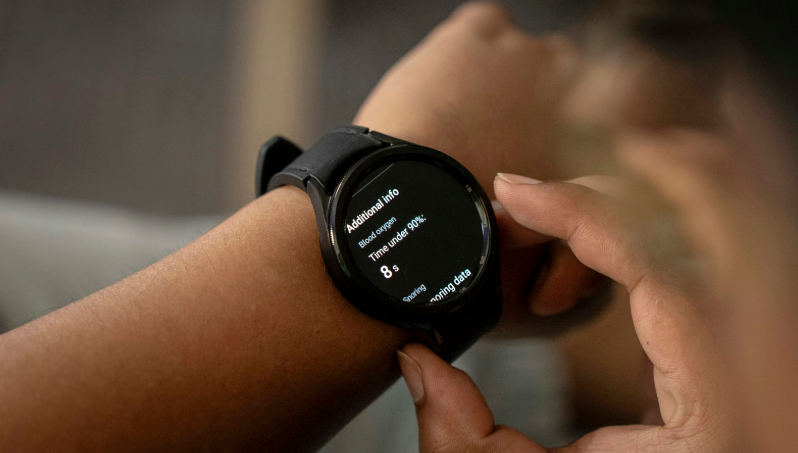
In the realm of biohacking, technology plays a pivotal role in aiding individuals to optimize their health and performance. The advent of wearable devices, health applications, and genetic testing has transformed the way biohackers track their progress and implement changes in their routines. Wearable devices, such as fitness trackers and smartwatches, provide real-time data on various health metrics, including heart rate, sleep patterns, and physical activity levels. This data is essential for biohackers as it allows them to make informed decisions about their health optimization strategies.
Health apps further enhance the biohacking experience by offering personalized insights and recommendations based on user-generated data. These applications often include features such as dietary logging, workout tracking, and wellness assessments, allowing users to monitor their progress and set achievable health goals. The integration of technology not only facilitates real-time tracking but also fosters a sense of accountability, as users can visualize their progress over time.
Another crucial aspect of technology in biohacking is genetic testing. By analyzing one’s genetic predispositions, individuals can tailor their health strategies to suit their unique biological profiles. This personalized approach can lead to more effective health optimization, as it considers the individual’s genetic makeup and potential risks. However, while the advantages of utilizing technology in biohacking are significant, it is crucial to be aware of the potential pitfalls. Over-reliance on technology may lead to data overload, where individuals become overly fixated on metrics rather than focusing on holistic health. Additionally, there are concerns regarding privacy and the security of sensitive health data collected by these devices.
Ultimately, when used mindfully, technology can be a powerful ally in the pursuit of health optimization through biohacking. The key lies in balancing data-driven insights with an awareness of the broader context of one’s health journey.
Community and Resources for Biohackers
The journey of biohacking is enriched by the collective wisdom and shared experiences of its community members. Engaging with fellow enthusiasts can provide invaluable insights and foster motivation. A myriad of online forums and social media groups dedicated to biohacking are available where individuals can exchange ideas, discuss strategies, and share personal successes and challenges. Websites such as Reddit host specific subreddits focused on biohacking, where participants can post questions and receive feedback from seasoned biohackers.
In addition to forums, a comprehensive selection of books on biohacking can deepen understanding and introduce new techniques. Key texts such as “Biohack Your Brain” by Kristen D. Willmott and “Headstrong” by Dave Asprey provide foundational knowledge about the science behind biohacking, as well as practical applications for optimizing health. These resources often serve as stepping stones for those new to the concept, helping understand the various methods and philosophies that accompany biohacking.
Podcasts are also a popular resource for biohackers seeking to expand their knowledge on-the-go. Programs such as “The Human Upgrade with Dave Asprey” feature interviews with experts in various fields, such as nutrition, fitness, and wellness, thus keeping listeners informed about the latest trends and technologies in biohacking. Utilizing these diverse resources not only enhances personal methodologies but also contributes to a broader understanding of the biohacking movement.
To successfully embark on a biohacking journey, building a network of like-minded individuals and accessing accessible materials are fundamental. Recognizing the power of community and shared resources can significantly impact one’s health optimization efforts, ultimately paving the way for a more informed and enriched biohacking experience.
Biohacking has gained traction in recent years, leading many individuals to explore innovative strategies for health optimization. Numerous case studies illustrate how specific biohacking techniques can lead to significant improvements in health and performance. One notable example is that of a software engineer who utilized intermittent fasting and ketone supplementation to enhance cognitive function. By adhering to the ketogenic diet, he reported improvements in mental clarity and productivity, demonstrating how dietary modifications can influence overall well-being.
Another inspiring case involves a personal trainer who integrated wearable technology into her daily routine. By tracking her sleep patterns and physical activities through a smart device, she identified areas in need of enhancement. Adjustments in her sleep hygiene practices and a personalized exercise regimen resulted in increased energy levels and improved recovery times. This case study highlights the role of technology in biohacking, enabling individuals to make data-driven decisions about their health.
Additionally, a middle-aged woman struggling with chronic fatigue turned to biohacking techniques such as nootropic supplementation and mindfulness meditation. Her approach combined cognitive enhancers with daily meditation sessions, which helped her regain energy and improve her mood. This transformative journey reveals how mental health strategies can be intertwined with biohacking to achieve holistic health optimization.
Lastly, we must acknowledge the story of a chronic illness survivor who embraced a comprehensive biohacking methodology that included nutrition, exercise, and advanced therapeutic practices like cold exposure therapy. Through systematic experimentation and adherence to biohacking principles, he successfully regained control over his health and significantly improved his quality of life. This case stands as a testament to the potential of biohacking to address complex health issues.
Conclusion and Future of Biohacking
As we wrap up our discussion on health optimization through biohacking techniques, it is essential to recognize the transformative effect these methods can have on individual wellness. Biohacking encompasses various practices aimed at enhancing health through self-experimentation and technological innovation. This holistic approach not only implies physiological changes but also emphasizes the mental and emotional dimensions of well-being.
Several key points emerge from our exploration of biohacking. First, the integration of personalized nutrition, fitness regimens, and genetic insights plays a crucial role in tailoring health strategies to individual needs. This customization allows individuals to focus on precise areas of improvement, thereby enhancing their physical and cognitive functionality. Moreover, the use of wearable technology continues to rise, facilitating real-time data tracking that empowers users to make informed decisions about their health.
Looking to the future, the field of biohacking is poised for significant advancements. Emerging techniques, such as the emergence of advanced neuro-hacking, have the potential to enhance cognitive capabilities and mood regulation. Furthermore, innovations in bioinformatics and biotechnology are likely to usher in a new era of personalized medicine, where genetic predispositions can guide tailored health plans. This forward momentum presents opportunities for greater health optimization through a combination of cutting-edge science and time-tested practices.
In summary, biohacking serves as a promising avenue for individuals seeking to optimize their health through innovative techniques and strategies. As technology and our understanding of human physiology evolve, the possibilities for health optimization will continue to expand, paving the way for a healthier tomorrow. By embracing these advancements, individuals can actively participate in their wellness journeys, unlocking their full potential for a vibrant and fulfilling life.