
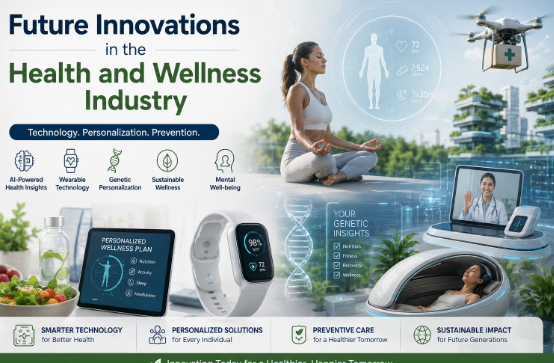


Introduction to the Health and Wellness Industry
The health and wellness industry has undergone significant transformation over the past few years, driven by a growing awareness of the importance of both physical and mental well-being. This sector encompasses a broad range of services and products aimed at promoting health, preventing diseases, and improving quality of life. It includes areas such as fitness, nutrition, mental health, and holistic therapies, reflecting a comprehensive approach to health that prioritizes prevention and lifestyle changes.
As society becomes more health-conscious, the demand for innovative solutions within this industry continues to escalate. Factors such as aging populations, increasing chronic diseases, and rising healthcare costs have contributed to heightened interest in preventive measures and wellness-oriented offerings. Beyond traditional healthcare services, consumers are increasingly turning to alternative practices, supplements, and wellness technologies. This shift signifies a move towards personalized health strategies that cater to individual needs.
Technological advancements play a pivotal role in shaping the future of the health and wellness industry. Innovations such as wearable fitness trackers, telehealth services, and health-focused mobile applications are revolutionizing how individuals manage their well-being. These tools not only facilitate easier access to health data but also empower users to engage more actively in their health journeys. The utilization of data analytics and artificial intelligence further enhances the potential for tailored health solutions, ensuring that interventions are effective and responsive to real-time needs.
In conclusion, the health and wellness industry is at the forefront of a major paradigm shift that emphasizes preventative care and holistic approaches to well-being. As trends evolve and consumer demand for innovative solutions rises, the industry is poised for exciting developments that will ultimately redefine our understanding and pursuit of health.
Emerging Technologies in Health and Wellness
The health and wellness industry is undergoing significant transformation, predominantly driven by emerging technologies. These innovations not only enhance patient care but also improve accessibility and efficiency across healthcare systems. One notable advancement is telemedicine, which allows patients to consult healthcare professionals remotely. This technology has become particularly vital in the context of the COVID-19 pandemic, enabling individuals to receive essential medical advice without the risk of exposure in overcrowded healthcare facilities. Telemedicine applications have also expanded into mental health services, allowing individuals to access therapists and counselors from the comfort of their homes.
Another groundbreaking innovation is the development of wearable health devices. These devices, such as smartwatches and fitness trackers, monitor various health metrics, including heart rate, sleep patterns, and physical activity. This continuous health monitoring empowers users to take charge of their health and wellness by providing real-time feedback and recommendations based on collected data. Furthermore, these devices can facilitate remote monitoring by healthcare providers, leading to more proactive healthcare management. As these technologies evolve, they are becoming increasingly accurate and capable of detecting early signs of health issues.
Artificial Intelligence (AI) is also making a significant impact in the health sector, particularly in diagnostics. AI-driven algorithms analyze vast amounts of medical data to identify patterns that may not be immediately obvious to human clinicians. This capability enhances diagnostic accuracy, potentially leading to quicker and more effective treatment plans for patients. For instance, AI is utilized in imaging technologies, enabling radiologists to detect anomalies in medical scans with higher precision. Such advancements not only enhance patient care but also streamline workflows within healthcare settings.
Personalized Health Solutions
The trend towards personalized health solutions is transforming the healthcare landscape, driven by advancements in genomics, biotechnology, and data analytics. These innovations facilitate the creation of tailored health plans that cater to individual needs, enhancing overall effectiveness in disease prevention and health promotion. By leveraging genetic information, healthcare providers can design personalized treatment regimens that take into account unique biochemical makeups and predispositions to certain conditions.
This personalization extends into various areas of health and wellness, particularly in nutrition. Personalized nutrition, for instance, involves developing dietary plans that align with an individual’s genetic profile, lifestyle factors, and health goals. Studies indicate that when nutritional strategies are customized, adherence and outcomes significantly improve, leading to better management of chronic diseases and overall wellness.
Moreover, fitness regimes are being increasingly tailored to individual capabilities and objectives. Wearable technology and mobile apps collect real-time data regarding user activity levels, heart rate, and calories burned. This information can then be analyzed to provide customized fitness recommendations that optimize physical performance and minimize the risk of injury.
Mental health programs are also embracing personalization by incorporating behavioral data and user feedback. Tailored interventions, whether through cognitive behavioral therapy or stress management techniques, can be designed to fit the specific psychological needs of individuals, making such programs more effective and user-friendly. By recognizing the uniqueness of mental health challenges and addressing them with a personalized approach, mental health services can greatly enhance their effectiveness.
In conclusion, personalized health solutions signify a pivotal shift towards individualized care. By harnessing cutting-edge technologies and comprehensive data analysis, the health and wellness industry is poised to deliver more relevant and effective treatments and interventions, ensuring a brighter future for individuals seeking enhanced well-being.
The Rise of Mental Wellness Innovations
The growing recognition of mental wellness has significantly influenced the health and wellness industry, leading to a surge in innovative solutions aimed at enhancing mental health. As stress and anxiety become prevalent issues in contemporary society, new technologies and platforms are emerging to provide individuals with essential support. Among these innovations are mental health applications, which have gained traction, offering services ranging from mood tracking to guided therapy. These apps are designed to make mental health resources more accessible, enabling users to manage their mental well-being from the comfort of their homes.
Virtual therapy sessions represent another noteworthy innovation. The global shift towards telehealth, accelerated by the pandemic, has paved the way for remote therapy options, allowing individuals to engage with licensed professionals without geographical constraints. This development not only provides increased access to mental health care but also contributes to reducing the stigma surrounding seeking assistance. Clients can now connect with practitioners through video calls, chat, or even voice messages, all in a secure and private environment.
Furthermore, mindfulness technology solutions, such as meditation apps and biofeedback devices, have also gained prominence within the health and wellness sector. These tools often incorporate techniques to enhance the practice of mindfulness, helping users cultivate a greater awareness of their thoughts and emotions. By integrating mental wellness practices into daily life, individuals can better manage stress, reduce anxiety, and promote mental clarity.
Overall, the array of innovations in mental wellness reflects an essential shift towards recognizing the importance of mental health within the broader context of overall wellness. As tools and technologies evolve, they continue to provide invaluable support to individuals seeking to improve their mental well-being, underscoring the industry’s commitment to fostering a holistic approach to health.
Sustainability and Wellness Products
As the health and wellness industry evolves, a critical intersection emerges between sustainability and consumer products. Today’s health-conscious consumers increasingly demand products that not only promote their well-being but also align with ethical and eco-friendly practices. This movement has led to significant innovations in wellness products that prioritize environmental responsibility.
For instance, organic supplements have gained popularity for their clean ingredient lists, which avoid synthetic chemicals and pesticides. These supplements not only nourish the body but also signify a commitment to sustainable farming methods. Manufacturers are sourcing ingredients from sustainable farms, ensuring that the cultivation processes do not harm the environment while providing consumers with high-quality health benefits.
Moreover, sustainable packaging has become an essential consideration for businesses within the wellness sector. Instead of traditional plastic packaging, many companies are now opting for biodegradable, recyclable, or reusable materials. This shift not only minimizes waste but also appeals to consumers who are increasingly concerned about environmental impact. By using sustainable packaging, brands can enhance their reputation and resonate with eco-conscious shoppers, leading to increased customer loyalty.
The beauty industry has also seen a surge in cruelty-free products that avoid animal testing and use natural ingredients. Innovative brands are now formulating products with plant-based alternatives and responsibly sourced materials that promise to nurture the skin while being kind to the planet. This trend not only attracts consumers who value ethical considerations but also serves as a testament to the brand’s commitment to sustainability.
In conclusion, the convergence of sustainability and wellness products illustrates a transformative trend within the health and wellness industry. Innovations that prioritize eco-friendliness—such as organic supplements, sustainable packaging, and cruelty-free beauty products—are not just trends but a reflection of evolving consumer values, demonstrating that health and environmental consciousness can coexist harmoniously.
Digital Health Communities and Support Networks
The emergence of digital health communities and support networks has transformed the way individuals approach their wellness journeys. These online platforms, ranging from dedicated health forums to social media groups, enable users to connect with like-minded individuals who share similar health aspirations. This connection fosters an environment where participants can exchange valuable resources, advice, and encouragement.
As people seek accountability and inspiration in their health endeavors, these support networks provide a unique opportunity to share personal experiences. Through the accessibility of the internet, individuals can engage with others worldwide, significantly broadening their support systems. Digital health communities also empower users to take ownership of their well-being by encouraging active participation in discussions, thus helping them to feel less isolated in their struggles.
Furthermore, the integration of technology into these networks ensures that participants have access to real-time information and innovative tools designed to support their health journeys. For example, many platforms offer features such as virtual workouts, guided meditation sessions, or nutritional guidance workshops. This flexibility allows users to tailor their experiences according to their individual health needs.
Additionally, health professionals increasingly participate in these communities, providing expert insights and facilitating discussions. Their involvement enhances the credibility of the information shared while also offering participants professional guidance when needed. As these digital communities continue to evolve, the potential for collaboration and resource sharing becomes even greater, ultimately driving better health outcomes.
In the fast-paced world we inhabit, the rise of digital health communities signifies a pivotal shift in how individuals connect and support one another in achieving their wellness goals. By harnessing the power of technology, these networks not only foster relationships but also contribute to a more informed, healthier society.
Innovation in Preventive Healthcare
The health and wellness industry is undergoing a significant transformation as it shifts from a reactive approach to a proactive one. This evolution emphasizes the importance of preventive healthcare innovations, which aim to detect diseases early and foster healthier lifestyles. At the forefront of this change is the integration of predictive analytics, which allows healthcare providers to identify potential health risks based on a variety of factors such as genetics, lifestyle choices, and environmental influences.
Predictive analytics utilizes vast amounts of data to forecast health outcomes and suggest tailored interventions. For instance, wearables and health monitoring systems enable individuals to track vital signs and other health metrics in real-time. These technologies can provide insights into personal health trends and alert users about potential health issues before they become critical. By equipping patients with this knowledge, they can make informed decisions that promote better health outcomes.
Moreover, community health initiatives are becoming increasingly effective in promoting preventive healthcare. These programs often focus on educating the public about healthy lifestyle choices, such as proper nutrition, physical activity, and stress management. By emphasizing community involvement, these initiatives foster an environment where individuals can support one another in making healthier decisions and accessing necessary resources.
Early disease detection plays a crucial role in preventive healthcare strategies. Screening programs that utilize advanced diagnostics can identify health concerns at earlier stages, significantly improving the chances of successful treatment. Similarly, lifestyle modifications, when adopted proactively, can lead to substantial improvements in public health. By encouraging self-care practices and fostering a preventative mindset, individuals can significantly reduce their risk of chronic diseases.
Regulatory Challenges and Ethical Considerations
The landscape of health and wellness innovations is rapidly evolving, often outpacing the regulatory frameworks designed to govern them. As companies introduce cutting-edge technologies and products, they encounter a myriad of regulatory challenges that can significantly hinder their ability to bring innovations to market. Regulatory bodies, including the Food and Drug Administration (FDA) and the European Medicines Agency (EMA), are tasked with ensuring that new health products meet rigorous standards for safety and efficacy. However, the advent of digital health technologies, such as mobile health applications and wearable devices, has created a gray area where existing regulations may fall short.
One of the central ethical considerations in the health and wellness sector is the protection of user privacy. As health technologies increasingly rely on personal data to function effectively, concerns about data security and user consent have come to the forefront. Organizations must navigate complex data protection regulations, such as the Health Insurance Portability and Accountability Act (HIPAA) in the United States and the General Data Protection Regulation (GDPR) in Europe, which mandate strict guidelines for how personal health information is collected, used, and shared. Failure to adhere to these regulations can result in severe penalties, further complicating the landscape for innovators.
Moreover, ethical dilemmas arise when considering the potential misuses of health data, including discrimination or exploitation of vulnerable populations. Companies must implement robust data governance strategies to protect user information and ensure ethical use of health technologies. By prioritizing transparency and user autonomy, organizations can foster trust and maintain compliance with evolving regulations. As the health and wellness industry continues to innovate, addressing regulatory challenges and ethical considerations will be vital to ensuring that advancements benefit society as a whole, rather than compromising individual rights.
The Future of Health and Wellness: Trends to Watch
The health and wellness industry is on the brink of significant transformation. As we look toward the future, several trends emerge that are poised to reshape the landscape of health and wellness. One prominent trend is the integration of technology into everyday health monitoring and maintenance. Wearable devices, such as fitness trackers and smartwatches, are expected to become even more advanced, offering real-time health data that consumers can easily access. This shift will empower individuals to take proactive control of their health, leading to personalized wellness strategies.
Moreover, the rise of telehealth services, which gained traction during the pandemic, is anticipated to solidify its presence in the industry. Virtual consultations and remote diagnostics are expected to continue flourishing. This will make healthcare access easier and more efficient, particularly for underserved populations, further democratizing the pursuit of wellness.
Consumer behavior is also evolving. Today’s consumers are increasingly prioritizing holistic approaches to health, encompassing mental, emotional, and physical well-being. This expanded definition of wellness is leading brands to innovate by offering more comprehensive solutions, such as integrated health platforms that combine dietary advice, mental health support, and fitness programs in one accessible place.
Finally, sustainability is gaining traction within the health and wellness sector. As firms are compelled to adopt greener practices, consumers are becoming more conscious of the environmental impact of their health choices. The pursuit of eco-friendly products and services not only promotes a healthier planet but also aligns with the values of modern consumers.
In conclusion, the future of health and wellness is bright, driven by technological advancements, changing consumer priorities, and sustainable initiatives. By staying informed about these trends, individuals and businesses alike can adapt to the evolving landscape and leverage these innovations to improve overall health outcomes.