
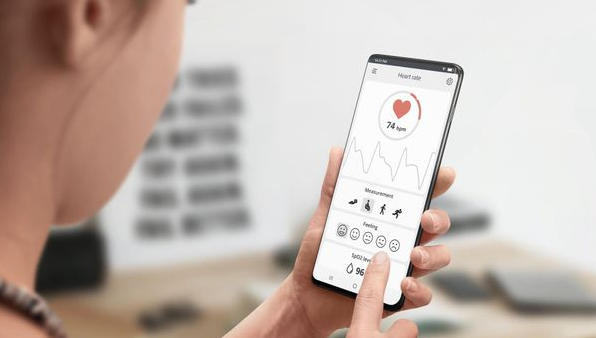


Introduction to Health Tracking Technologies
Health tracking technologies are innovative tools designed to monitor various aspects of an individual’s health and fitness. Over the years, these technologies have evolved significantly, transitioning from basic pedometers to sophisticated wearable devices capable of capturing a wide range of health metrics. The proliferation of smartphones, coupled with advancements in sensor technology, has catalyzed this evolution, making health tracking more accessible and versatile than ever before.
Initially, health tracking focused primarily on physical activity, with step counters and calorie trackers being among the first tools used by fitness enthusiasts. Today, health tracking technologies have expanded to encompass a diverse array of functionalities, monitoring not only physical activity but also heart rate, sleep patterns, blood oxygen levels, and even stress levels. As a result, users gain comprehensive insights into their health, enabling them to make informed decisions regarding their lifestyle and well-being.
The importance of health tracking in modern society cannot be overstated. With the rising prevalence of chronic diseases related to sedentary lifestyles, health tracking technologies serve as a proactive measure for individuals seeking to mitigate health risks and enhance their quality of life. Moreover, these tools foster a greater awareness of personal health trends, encouraging users to engage in healthier behaviors and actively participate in their health management.
In the current landscape, wearable devices have emerged as a popular means of health tracking, intertwining convenience and functionality in a compact format. Such devices offer real-time data collection while being seamlessly integrated into daily life, thus promoting an ongoing commitment to health and fitness. As we delve into the various aspects of health tracking technologies, it becomes evident that they are not merely gadgets, but integral components of a holistic approach to health management.
Types of Wearable Devices
The variety of wearable devices available today reflects a broad spectrum of features and functionalities aimed at enhancing health and wellness monitoring. Among the most prominent types are fitness trackers, smartwatches, smart clothing, and biosensors.
Fitness trackers are among the most popular wearable devices. Designed primarily to monitor physical activity, they provide users with insights into steps taken, calories burned, and exercise intensity. These devices often include a heart rate monitor and can sync with smartphones, allowing users to track their progress over time through dedicated applications. The simplicity and focus on fitness metrics make them accessible for individuals looking to improve their physical activity levels.
Smartwatches, on the other hand, encompass a broader range of functions beyond fitness tracking. They not only monitor health-related metrics but also integrate features such as notifications for calls, messages, and app alerts. Many smartwatches include advanced health monitoring tools, such as ECG and SpO2 sensors, which enable users to keep an eye on their cardiac and respiratory health. The ability to customize watch faces and apps offers a unique appeal for those seeking both functionality and style.
Smart clothing represents an innovative development in the realm of wearables. These garments are embedded with sensors that track biometric data such as heart rate, body temperature, and muscle activity. This data can be especially valuable for athletes seeking in-depth analytics on performance and recovery. Smart fabrics can enhance comfort and performance by adapting to environmental conditions and the wearer’s movements.
Lastly, biosensors are at the forefront of wearable technology, providing real-time health monitoring through skin-placed sensors or patches. These devices can track glucose levels, hydration status, and other critical health indicators, making them invaluable for individuals managing chronic conditions. The evolution of biosensors underscores the growing importance of continuous health monitoring and data-driven health management.
How Health Tracking Technologies Work
Health tracking technologies have gained significant prominence in modern healthcare, integrating sophisticated electronics and software that monitor various aspects of physical health. At the core of these devices are sensors, which play a pivotal role in gathering vital health metrics. Common types of sensors include accelerometers, gyroscopes, heart rate monitors, and skin temperature detectors. These sensors are responsible for collecting data on a range of factors, such as movement, heart rate, sleep patterns, and even calorie expenditure.
Data collection methods utilized by health tracking devices are diverse and meticulous. For instance, wearable devices often employ continuous monitoring techniques, whereby the sensors constantly record data throughout the day. This enables users to obtain a comprehensive understanding of their health dynamics over time. Some devices incorporate GPS sensors to track physical activities like running and walking, offering geographical insights into exercise habits. Additionally, innovations in biosensing technology provide capabilities to monitor biometrics like blood oxygen levels and electrocardiogram readings, which were previously only accessible in clinical settings.
Once the raw data is collected, it undergoes extensive processing and analysis. Advanced algorithms transform the information into meaningful insights, often utilizing machine learning techniques to discern patterns and trends. This not only allows users to visualize their health data through user-friendly interfaces but also enables predictive analytics to anticipate potential health issues. For example, by analyzing heart rate variability, a device might detect signs of stress or fatigue, prompting users to take action accordingly. Ultimately, the integration of sensors, data collection, and processing technologies empowers individuals to take charge of their health, fostering a proactive approach to personal wellness.
Benefits of Health Tracking Technologies
Health tracking technologies and wearable devices have emerged as valuable allies in promoting healthier lifestyles. One of the primary advantages they offer is the ability to monitor various health metrics, such as heart rate, sleep patterns, and physical activity levels. By providing individuals with quantifiable data about their daily habits, these gadgets encourage users to make informed decisions regarding their health, leading to improved physical wellness.
Moreover, health tracking technologies play a pivotal role in chronic disease management. For individuals suffering from conditions such as diabetes or hypertension, continuous monitoring can be crucial. Wearable devices equipped with sensors allow users to track their blood glucose or blood pressure in real time, facilitating timely interventions and better communication with healthcare providers. This proactive approach not only enhances patient adherence to treatment plans but also fosters a partnership between patients and their healthcare professionals.
In the realm of fitness, health tracking devices have revolutionized how individuals set and achieve their fitness goals. Many of these technologies come equipped with features such as customizable workout plans, step counters, and caloric expenditure trackers, all of which allow users to tailor their fitness journeys to their unique needs. By establishing clear benchmarks, users can monitor their progress and stay motivated, thus enhancing their overall engagement with physical activity.
Additionally, health tracking technologies contribute significantly to preventive healthcare. They help users identify potential health risks before they escalate into serious conditions. For instance, tracking irregular heart rhythms can alert individuals to seek medical advice, potentially preventing events such as heart attacks. This shift from treatment to prevention has profound implications for public health, highlighting the importance of health technologies in fostering a healthier population.
Challenges and Limitations of Wearable Health Devices
While wearable health devices offer numerous benefits in monitoring health and fitness, they also present several challenges and limitations that users should be aware of. One of the most significant concerns is data privacy. Many wearable devices collect sensitive information about an individual’s health habits and biometric data, which can be susceptible to breaches. Users may not fully understand how their data is stored, shared, or used, creating a gap in trust between consumers and technology providers.
Moreover, the accuracy of readings from wearable devices can vary significantly. Factors such as environmental conditions, device calibration, and user movement can all influence the precision of measurements, such as heart rate or step counts. Inaccurate data can lead to false assumptions about one’s health status, potentially affecting health-related decision-making. Consequently, while these devices can provide valuable insights, they should not replace professional medical advice.
Another challenge associated with wearable health technologies is the dependence on technology itself. Users may find themselves overly reliant on their devices for health monitoring, which may lead to anxiety or stress when readings fluctuate or when devices malfunction. This reliance can create a psychological burden, pushing individuals to prioritize digital metrics over holistic understanding and well-being. Furthermore, a segment of the population may experience difficulty adapting to these technologies due to unfamiliarity or lack of technical expertise, preventing them from maximizing the benefits of these devices.
Lastly, there is the potential for misleading information. Marketing claims by manufacturers may overstate the capabilities of wearable devices, leading consumers to believe that these gadgets can provide comprehensive health assessments. This exaggeration may not only foster unrealistic expectations but also result in harmful behaviors if users mistakenly trust the information received from these devices.
Consumer Trends in Health Tracking Technologies
The health tracking technologies market is experiencing a notable evolution, fueled by a growing consumer base that increasingly values proactive health management. One of the most significant trends is the rising adoption of wearables, such as smartwatches and fitness bands, which provide users with real-time data on various health metrics. This surge in popularity can be attributed to consumers’ desire for personalized health insights and the convenience offered by these devices. As technology continues to advance, wearables are incorporating more sophisticated features, including heart rate monitoring, sleep tracking, and even blood oxygen measurement, appealing to a broader demographic.
Furthermore, data privacy and security have emerged as critical concerns among users. As health tracking technologies generate substantial amounts of personal data, companies are adapting by implementing enhanced security protocols to safeguard consumer information. This shift towards prioritizing data privacy fosters greater consumer trust, ultimately driving higher adoption rates. Concurrently, many health tracking device manufacturers are expanding their partnerships with healthcare providers to create more integrated health management solutions, which reflects a growing trend towards collaborative health care.
Another significant trend is the incorporation of gamification into health tracking applications. Many consumers are motivated by interactive elements, such as challenges and rewards, which lead to a more engaging health management experience. This approach encourages individuals to set fitness goals and fosters a sense of community through social sharing features. As a result, health tech companies are increasingly investing in user-friendly interfaces and engaging content to enhance their products, ensuring they meet the evolving expectations of health-conscious consumers.
In summary, the consumer trends in the health tracking technologies arena reveal a dynamic landscape characterized by increased adoption of sophisticated wearables, a focus on data privacy, and the integration of gamified experiences. Companies in this sector must continuously innovate to keep pace with consumer preferences while addressing the complexities of health management in today’s tech-savvy world.
The Role of Data in Health Monitoring
Health tracking technologies and wearable devices have revolutionized the way individuals monitor their health. These devices collect a vast array of data, including heart rate, activity levels, sleep patterns, and even stress markers. By aggregating this information, users can gain actionable health insights that can significantly improve their well-being. For instance, regular monitoring of heart rate variability can help individuals identify stress triggers and manage them effectively, ultimately promoting cardiovascular health. Furthermore, the analysis of activity and sleep data can guide users towards making lifestyle modifications that enhance productivity and overall quality of life.
However, the collection and utilization of personal health data raise important ethical considerations. User consent plays a fundamental role in ensuring that individuals are aware of what data is being collected and how it will be used. Transparency in data handling not only builds trust between users and technology providers but also empowers users to make informed decisions regarding their health tracking. Moreover, it is essential for technology companies to adopt responsible data practices that prioritize user privacy and security.
The possibilities for action from the data gathered by health tracking devices extend beyond individual use. Aggregated data can contribute to broader public health initiatives by revealing trends within communities. This can assist in the identification of health risks and contribute to better-informed healthcare policy decisions. By leveraging technology and data sensibly, the potential for improving both personal and public health outcomes is immense. In conclusion, the effective use of data in health monitoring paves the way for enhancing individual health management while upholding ethical standards and user rights in handling personal information.
The Future of Health Tracking Technologies
As we look forward into the landscape of health tracking technologies, several advancements appear imminent, shaping the future of personal health management. One emerging trend is the seamless integration of telemedicine within health tracking devices. This synergy allows users to not only monitor their health metrics remotely but also facilitates real-time consultations with healthcare professionals. Such integration empowers users, providing instant feedback and actionable insights based on their health data.
Another significant development is the application of artificial intelligence (AI) in interpreting health tracking information. AI algorithms can analyze vast amounts of user data, identifying patterns and trends that might not be apparent through conventional means. This capability may lead to predictive analytics, where wearable devices could anticipate potential health issues before they manifest, prompting preemptive strategies. Furthermore, AI can adapt insights based on individual user needs, thus enhancing the personalization of health recommendations.
Moreover, the future of health tracking technologies is poised to feature an increased emphasis on personalized health insights. As more individuals take control of their health data, the demand for customized feedback will grow. Users can expect devices that not only track vital signs but also provide tailored suggestions for lifestyle changes, exercise routines, and nutritional advice, based on their unique health profiles. This personalized approach fosters a proactive mindset towards health management, transforming tracking from mere monitoring to an essential aspect of daily wellness.
In conclusion, the evolution of health tracking technologies is set to redefine how individuals engage with their health. The integration of telemedicine, the adoption of AI applications, and the focus on personalized insights will not only enhance the effectiveness of health monitoring but also encourage a shift towards preventive healthcare solutions.
Conclusion: The Impact of Health Tracking on Future Healthcare
The advent of health tracking technologies and wearable devices has ushered in a new era in healthcare, paving the way for personalized and proactive medical approaches. As discussed, these innovations have empowered individuals to take charge of their health by allowing for continuous monitoring of vital statistics, such as heart rate, sleep patterns, and physical activity levels. The real-time feedback provided by these devices has the potential to dramatically improve health outcomes through increased awareness and timely interventions.
However, alongside these advancements comes a set of responsibilities for both users and developers. Users must be vigilant about data privacy and security, as the sensitive nature of health data necessitates stringent protection measures. In contrast, developers face the ethical duty to ensure the accuracy of the health tracking technologies they create, as erroneous data could lead to misguided health decisions. Furthermore, establishing trust between consumers and technology providers is crucial in fostering a sustainable future for health tracking innovations.
Moreover, the integration of these technologies into traditional healthcare systems poses additional challenges. Healthcare professionals must adapt to new data streams while ensuring patient engagement with their health management strategies. The future of healthcare may increasingly rely on interdisciplinary collaboration between technologists, clinicians, and patients to fully harness the benefits of health tracking technologies.
In conclusion, the impact of health tracking devices on healthcare systems is profound, offering numerous benefits while also introducing complex challenges that necessitate careful consideration. As we move forward, the focus must remain on maximizing the advantages these technologies offer while safeguarding the responsibilities they entail for all stakeholders involved.