
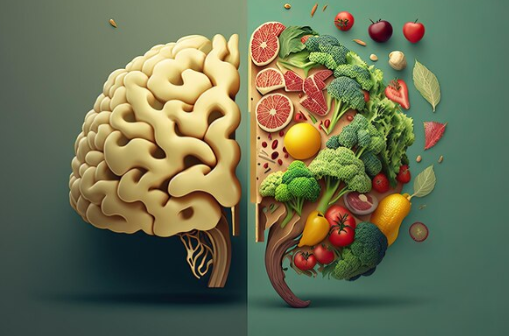


Introduction to Nutritional Neuroscience
Nutritional neuroscience is a multidisciplinary field that combines principles from nutrition, neuroscience, and psychology to explore the intricate relationship between diet and brain health. This burgeoning field of research has garnered increasing attention due to the growing recognition that what we eat significantly influences cognitive function, emotional well-being, and overall neurological health. Understanding the impact of nutrients on the brain allows us to appreciate how dietary choices can shape our mental processes and behaviors.
At its core, nutritional neuroscience investigates how various nutrients—such as vitamins, minerals, fatty acids, and antioxidants—interact with brain structures and functions. For instance, omega-3 fatty acids, commonly found in fish, have been shown to support the integrity of neuronal membranes and promote neuroplasticity, which is essential for learning and memory. Similarly, B vitamins play a critical role in maintaining cognitive function by aiding in neurotransmitter synthesis and energy metabolism.
This discipline not only contributes to academic research but also has significant implications for public health and clinical practices. With rising incidence rates of neurodegenerative disorders such as Alzheimer’s disease and conditions like depression, the need for dietary interventions that support brain health is pressing. Nutritional neuroscience also emphasizes the importance of personalized nutrition, which considers individual differences in genetics and metabolism when determining optimal dietary patterns for brain health.
In summary, the essence of nutritional neuroscience lies in its capacity to reveal how our dietary habits can enhance brain function and contribute to the prevention of cognitive decline. As research in this field continues to advance, it holds the promise of unlocking new strategies for fostering mental resilience and optimizing brain health throughout the lifespan.
The Connection Between Diet and Brain Health
The relationship between diet and brain health has garnered significant attention in recent years, with a growing body of research highlighting its importance in cognitive function and mental well-being. Nutritional neuroscience indicates that the composition of one’s diet can affect various aspects of brain health, including memory, mood, and overall cognitive performance. Certain nutrients have been identified as particularly beneficial for brain function, while others may exacerbate cognitive decline when consumed in excess.
For instance, omega-3 fatty acids, predominantly found in fatty fish, walnuts, and flaxseeds, are known for their role in supporting neuronal health. Studies have demonstrated that these fatty acids contribute to neuroprotection and enhance synaptic plasticity, which is crucial for learning and memory. Additionally, antioxidants found in fruits and vegetables help combat oxidative stress, a contributor to neurodegenerative diseases. Consuming a diet rich in colorful produce can therefore support cognitive function while potentially decreasing the risk of conditions such as Alzheimer’s disease.
Moreover, the Mediterranean diet, characterized by high consumption of whole grains, legumes, nuts, and healthy fats, has been linked to a reduced risk of cognitive decline. This dietary pattern not only promotes overall health but also appears to support brain health, likely due to its anti-inflammatory properties. On the other hand, diets high in refined sugars and saturated fats have been associated with impairments in memory and learning capabilities, emphasizing the detrimental impact of poor dietary choices.
In conclusion, the evidence suggests a robust connection between diet and brain health, underscoring the importance of careful dietary choices for maintaining cognitive function and mental well-being. Therefore, integrating nutrient-dense foods into the diet can help bolster brain health and foster overall wellness.
Key Nutrients for Optimal Brain Function
The brain requires a variety of essential nutrients to function efficiently and maintain overall cognitive health. Among these, omega-3 fatty acids stand out as particularly critical. Found in fatty fish like salmon, walnuts, and flaxseeds, omega-3s contribute to the structural integrity of brain cell membranes, enhancing communication between neurons. Research indicates that adequate intake of these fatty acids may support memory retention and learning capabilities while potentially reducing the risk of neurodegenerative diseases such as Alzheimer’s.
Vitamins also play a vital role in brain health. For instance, B vitamins, particularly B6, B12, and folate, are integral for producing neurotransmitters, the chemicals that transmit messages in the brain. Deficiencies in these vitamins have been associated with cognitive decline and memory impairment. Additionally, vitamin D has garnered attention for its role in brain development and function, as it may also help protect against neurodegenerative conditions.
Minerals, such as magnesium and zinc, are another important category of nutrients for brain function. Magnesium supports synaptic plasticity, the mechanism crucial for learning and memory, while zinc participates in numerous brain processes, including neuronal signaling and protection against oxidative stress. Antioxidants, such as vitamin C and flavonoids found in fruits and vegetables, also contribute significantly. They help mitigate oxidative damage to brain cells, which is linked to age-related cognitive decline.
In summary, incorporating a balanced diet rich in omega-3 fatty acids, B vitamins, essential minerals, and antioxidants is vital for maintaining optimal brain function and promoting long-term cognitive health. Prioritizing these nutrients can lead to enhanced memory, improved learning abilities, and a reduced risk of neurodegenerative diseases.
The Impact of Processed Foods on Brain Health
The consumption of highly processed foods has been increasingly scrutinized for its negative implications on overall health, with particular concern regarding brain function. Processed foods, often high in sugars, unhealthy fats, and artificial additives, can disrupt the delicate biochemical balance within the brain. One of the primary issues is their effect on neurotransmitter activity, which is essential for effective communication between neurons.
Highly processed foods can contribute to imbalances in neurotransmitters such as serotonin and dopamine. These chemicals play crucial roles in regulating mood, cognition, and emotional well-being. Diets high in refined sugars and unhealthy fats may lead to impaired formation and function of neurotransmitters, potentially fostering conditions such as anxiety and depression. Furthermore, these alterations in neurotransmitter activity have been linked to cognitive decline and memory impairments over time.
Another significant consequence of a diet rich in processed foods is the promotion of inflammation within the body, including the brain. Chronic inflammation has been associated with various neurodegenerative diseases, such as Alzheimer’s and Parkinson’s disease. The high levels of trans fats and processed sugars in these foods can initiate and perpetuate inflammatory responses, ultimately leading to a decline in cognitive function. Studies suggest that individuals consuming diets high in processed food exhibit increased levels of inflammatory markers, which have a profound detrimental impact on brain health.
In considering the impact of processed foods on brain health, it is clear that the choice of diet plays a critical role in maintaining optimal cognitive function. By reducing the intake of highly processed foods and replacing them with whole foods rich in nutrients, individuals may help mitigate the risks associated with cognitive decline and enhance overall brain health. This dietary modification serves not only to nourish the body but also to support the complex neurochemical processes essential for healthy brain function.
Dietary Patterns and Mental Health
Research has increasingly highlighted the significant relationship between dietary patterns and mental health outcomes. Notably, diets characterized by high nutritional quality, such as the Mediterranean diet and various plant-based diets, have shown promising effects on mental well-being. The Mediterranean diet emphasizes the consumption of whole grains, fruits, vegetables, fish, and healthy fats, particularly olive oil. This dietary pattern is rich in antioxidants, omega-3 fatty acids, and other essential nutrients that support brain health and may contribute to a lower incidence of anxiety and depression.
Studies suggest that adherence to the Mediterranean diet is associated with a reduced risk of developing mood disorders. For example, individuals who follow this diet tend to have higher intakes of nutrient-dense foods, which can enhance cognitive function and emotional stability. The consumption of nutrient-rich foods provides the brain with the necessary fuel to perform optimally, leading to improved mental clarity and reduced feelings of distress.
Similarly, plant-based diets—which prioritize fruits, vegetables, legumes, nuts, and seeds—have been linked to positive mental health outcomes. These diets are typically low in saturated fats and high in fiber and phytonutrients, enabling better overall physical and mental health. Recent research indicates that individuals following plant-based diets report lower levels of anxiety and depression, possibly due to their high antioxidant content, which combats oxidative stress in the brain.
Overall, a growing body of evidence supports the notion that healthy dietary patterns, such as the Mediterranean and plant-based diets, play a crucial role in mental well-being. By prioritizing nutrition that nourishes the brain, individuals may enhance their mental health outcomes and reduce the prevalence of anxiety and depression.
The Role of Gut Health in Brain Function
The gut-brain axis plays a pivotal role in maintaining brain health, as it represents the complex communication network between the gastrointestinal tract and the central nervous system. Recent research highlights that the gut microbiota, which comprises trillions of microorganisms residing within the intestines, can significantly influence mood, cognition, and even overall mental well-being. This emerging field of nutritional neuroscience has unveiled how dietary choices can affect these microbes, subsequently impacting brain function.
A balanced diet rich in prebiotics and probiotics is essential for cultivating a diverse gut microbiome, which in turn promotes optimal brain health. Foods such as fermented dairy products, fiber-rich fruits, and whole grains support the growth of beneficial bacteria. These microorganisms are known to produce neurotransmitters and metabolites that can enhance cognitive functions and regulate emotional responses. For instance, a variety of gut bacteria are involved in synthesizing serotonin, a critical neurotransmitter that contributes to feelings of happiness and stability.
Moreover, an imbalance in gut microbiota, often referred to as dysbiosis, can lead to adverse effects on brain health. Research has shown that conditions such as anxiety, depression, and cognitive decline may be associated with compromised gut health. Therefore, prioritizing a diet that supports gut integrity is imperative not only for physical health but also for mental clarity and emotional resilience. By nourishing the gut through mindful eating, individuals can foster an environment conducive to mental and emotional well-being, illustrating the profound connection between the gut and the brain.
Nutrition in the Context of Neurodegenerative Diseases
Neurodegenerative diseases such as Alzheimer’s and Parkinson’s are characterized by the progressive degeneration of the structure and function of the nervous system. Recent research has indicated that proper nutrition may play a pivotal role in both the prevention and management of these diseases. A well-balanced diet, enriched with essential nutrients, can help maintain cognitive function and may slow the progression of neurodegenerative conditions.
Several dietary interventions have shown promise in research studies. The Mediterranean diet, which emphasizes the consumption of fruits, vegetables, whole grains, healthy fats, and lean proteins, has been linked to a reduced risk of developing Alzheimer’s disease. This dietary pattern, rich in antioxidants and anti-inflammatory compounds, may help protect against oxidative stress, a key factor in neurodegeneration. Foods like fatty fish, nuts, and olive oil contain omega-3 fatty acids, which have been associated with improved brain health and potentially delay cognitive decline.
Another dietary approach gaining attention is the MIND diet, a hybrid of the Mediterranean and DASH (Dietary Approaches to Stop Hypertension) diets. This diet focuses specifically on foods that support brain health and has been associated with a lower risk of Alzheimer’s disease. Key components include leafy greens, berries, nuts, beans, and whole grains, all of which provide essential nutrients for cognitive function.
Moreover, certain vitamins and minerals have been studied for their neuroprotective effects. For instance, vitamins B, C, D, and E, as well as minerals like magnesium and zinc, play significant roles in neuronal health. Nutritional deficiencies in these micronutrients may exacerbate neurodegenerative processes. Thus, ensuring adequate intake through diet or supplementation may be vital for patients diagnosed with these diseases.
Practical Tips for a Brain-Healthy Diet
Implementing a brain-healthy diet involves making intentional choices that emphasize nutrient-rich foods. Meal planning is a fundamental step that can help individuals prioritize brain health. Begin by allocating a specific day each week to plan meals and grocery lists. Focus on incorporating foods rich in omega-3 fatty acids, antioxidants, vitamins, and minerals, which are essential for maintaining cognitive function.
When grocery shopping, aim for a diverse range of items from different food groups. Select fatty fish, such as salmon or mackerel, for their high omega-3 content. Additionally, include bright fruits and vegetables like berries, kale, and carrots, which are known for their antioxidant properties. Whole grains, nuts, and seeds also play a significant role in a brain-healthy diet. Consider using a shopping list divided by food categories to streamline the process and ensure a balanced selection.
In terms of cooking, simple recipes can often highlight brain-boosting ingredients without requiring excessive time or effort. For instance, a quick breakfast option could be an oatmeal bowl topped with walnuts and blueberries, combining healthy fats with antioxidants. Lunch could consist of a quinoa salad filled with a variety of colorful vegetables and chickpeas. A dinner option might include grilled salmon served with a side of steamed broccoli and brown rice, ensuring a well-rounded meal packed with cognitive benefits.
For snack ideas, consider preparing homemade trail mix or smoothies using spinach, banana, and a spoonful of nut butter. These snacks not only satisfy hunger but also boost brain function throughout the day. By making small yet impactful changes to meal planning, grocery shopping, and recipe selection, individuals can foster a nourishing environment for their brain health.
Conclusion: Future Directions in Nutritional Neuroscience
The exploration of nutritional neuroscience has revealed a profound connection between what we consume and our cognitive health. It emphasizes that the brain, being a metabolically active organ, requires a diverse array of nutrients to function optimally. Essential fatty acids, antioxidants, vitamins, and minerals play significant roles in neuroprotective mechanisms, neurotransmitter synthesis, and overall brain resilience. As we have discussed, dietary patterns rich in whole foods, particularly those high in omega-3 fatty acids, fruits, and vegetables, enhance neurocognitive performance and potentially lower the risk of neurodegenerative diseases.
Nevertheless, despite the promising findings in this burgeoning field, further research is warranted to fully understand the intricate links between diet and brain health. Longitudinal studies are particularly crucial to establish causality. Investigating the effects of dietary interventions on various populations, including those with pre-existing neurological conditions, will provide invaluable insights. Moreover, exploring how individualized dietary approaches can personalize brain health strategies presents a significant area for future inquiry.
Importantly, individuals should consider their dietary choices as more than just mere sustenance; they are also critical to cognitive longevity. As more evidence accumulates, there is a growing need to translate scientific findings into public health guidelines. Nutrition education and the promotion of brain-healthy diets can empower individuals to make informed food choices. In doing so, we can hope to see an enhancement in mental well-being and a reduction in cognitive decline associated with aging.
In conclusion, nutritional neuroscience sheds light on how proper nourishment can optimize brain function, and with ongoing research, we may unlock further dietary strategies that support cognitive health throughout the lifespan.