


Introduction to Whole Foods and Processed Foods
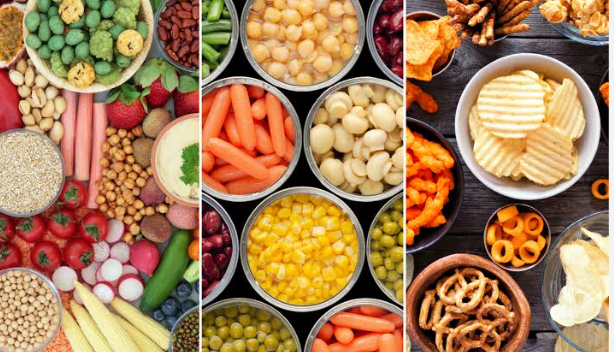
In the contemporary discourse surrounding nutrition and dietary choices, understanding the distinction between whole foods and processed foods is of paramount importance. Whole foods are defined as natural items that remain largely unrefined and unprocessed. This category includes a variety of fresh fruits, vegetables, nuts, seeds, and whole grains, which retain their original nutritional benefits. The preparation methods associated with whole foods typically involve minimal intervention, such as washing or chopping, which allows them to maintain their inherent flavors and nutrients.
On the other hand, processed foods, which can significantly deviate from their original state, encompass items that have been altered through various methods, including canning, freezing, drying, or the addition of chemicals, preservatives, and flavor enhancers. This process aims to extend shelf life, improve flavor, or enhance the appearance of food products but often results in the loss of essential nutrients. Examples of processed foods include snack chips, sugary cereals, and ready-to-eat meals, which are generally easier and quicker to prepare, yet they often come at the expense of nutritional integrity.
The categorization of foods into whole and processed can significantly influence an individual’s dietary choices and overall health outcomes. By understanding what constitutes whole foods versus processed foods, consumers can make more informed decisions regarding their diets, potentially leading to a more health-conscious lifestyle. This understanding is crucial in a world where the prevalence of processed food consumption continues to rise, often overshadowing the benefits of whole food options. As individuals strive for optimal health, differentiating between these two categories is an essential step in making sound dietary choices.
Health Impacts of Whole Foods
Whole foods, defined as foods that are unprocessed and free from artificial substances, provide a variety of health benefits that significantly improve overall well-being. These foods are typically rich in essential nutrients, including vitamins, minerals, and dietary fiber. One of the most notable benefits of consuming whole foods is the high level of dietary fiber, which plays a crucial role in promoting digestive health. Fiber aids in regulating bowel movements, preventing constipation, and increasing satiety, which can be helpful for weight management.
Moreover, whole foods are abundant in vitamins and minerals that are vital for various bodily functions. For instance, fruits and vegetables are rich in antioxidants, which help combat oxidative stress and lower the risk of chronic diseases like heart disease and certain cancers. Minerals such as potassium and magnesium, found in whole foods, are instrumental in maintaining proper heart and muscle function, as well as supporting overall metabolic processes.
Additionally, the consumption of whole foods can contribute to improved weight management. Foods such as whole grains, legumes, and nuts are generally lower in calories compared to heavily processed options and provide more sustained energy. The balance of nutrients found in whole foods means that individuals can enjoy larger portions that are still beneficial for health, thereby preventing overeating and promoting a healthier lifestyle.
Notably, research indicates that a diet high in whole foods is linked to a reduced risk of developing various chronic conditions such as Type 2 diabetes, obesity, and hypertension. By focusing on the consumption of whole foods, individuals can foster a robust immune system and enhance their quality of life through improved nutritional profiles. Ultimately, the health impacts of whole foods underscore the importance of choosing natural, nutrient-dense options for better health outcomes.
Health Impacts of Processed Foods
Processed foods are often characterized by their high levels of additives, sugars, salts, and unhealthy fats, which can significantly impact health. Studies indicate that consuming a diet rich in processed foods is directly linked to an increased risk of various health issues, including obesity, type 2 diabetes, and cardiovascular diseases. A diet high in added sugars, for instance, can lead to excess calorie intake, often resulting in weight gain and obesity, which are substantial risk factors for other chronic conditions.
Moreover, processed foods frequently contain high levels of sodium, which is associated with increased blood pressure and a greater risk of heart-related diseases. The World Health Organization recommends limiting salt intake to less than 5 grams per day; however, many processed foods exceed this guideline in a single serving. For example, snack foods, deli meats, and instant meals often contain significant amounts of hidden salt, leading to unintended overconsumption.
Furthermore, the unhealthy fats prevalent in many processed foods, such as trans fats and saturated fats, can elevate cholesterol levels in the body and contribute to the development of atherosclerosis, a major contributor to heart disease. In 2019, research in the Journal of the American College of Cardiology highlighted a strong correlation between high processed food consumption and an increased risk of heart disease. As more studies emerge, it becomes evident that the long-term effects of diets dominated by processed foods can jeopardize not only individual health but also public health systems.
Given these factors, it is crucial for individuals to be aware of their dietary choices and consider the potential health impacts associated with a high intake of processed foods. By emphasizing the consumption of whole, minimally processed foods, one can mitigate these health risks and promote overall well-being.
Nutritional Comparison: Whole Foods vs Processed Foods
In evaluating the nutritional profiles of whole foods and processed foods, it is crucial to understand the composition of macronutrients and micronutrients in both categories. Whole foods, such as fruits, vegetables, whole grains, nuts, and seeds, are rich in essential nutrients that support optimal health. They provide a balanced array of carbohydrates, proteins, and healthy fats alongside a wealth of vitamins and minerals.
Carbohydrates present in whole foods are typically complex, contributing to sustained energy release and aiding in digestive health due to their fiber content. For instance, an apple not only contains carbohydrates but also provides fiber, vitamin C, and various phytonutrients. In contrast, processed foods often contain refined carbohydrates, which can lead to rapid spikes in blood sugar levels and offer little nutritional benefit. An example is white bread, which, while providing calories, lacks the fiber and nutrients found in its whole grain counterpart.
When evaluating proteins, whole foods like legumes, fish, and lean meats offer high-quality proteins along with essential amino acids and micronutrients like iron and zinc. Processed meat products, however, may contain additives and preservatives that not only detract from the nutritional quality but also include unhealthy fats and excess sodium, which can negatively impact health over time.
Fats found in whole foods, such as avocados and nuts, primarily consist of unsaturated fats that promote heart health. In contrast, processed foods commonly contain trans fats and saturated fats, which have been linked to various health concerns, including cardiovascular diseases. The absence of healthy fats in many processed snacks further underscores the nutritional disparities between these two categories.
The process of refining and altering foods often strips away valuable vitamins and minerals. For example, processing white rice eliminates the bran and germ, resulting in a significant loss of B vitamins and minerals such as magnesium and iron. Whole foods retain these nutrients, emphasizing the inherent advantages of consuming less processed options.
Environmental Impact of Whole Foods and Processed Foods
The environmental implications of food choices, particularly between whole foods and processed foods, are becoming increasingly significant in today’s ecological discourse. Whole foods, which are minimally processed and closer to their natural state, generally promote environmental sustainability compared to their processed counterparts.
Processed foods, characterized by their involvement in extensive manufacturing and the use of various additives, contribute to a higher carbon footprint. The production of processed foods often entails a complex supply chain, from farming to manufacturing, and finally distribution, which collectively results in increased greenhouse gas emissions. Energy-intensive processes, coupled with the packaging and transportation of these foods, lead to a significant increase in waste generation and energy consumption.
In contrast, whole foods, particularly those that are locally sourced and organic, tend to have a smaller environmental footprint. Local sourcing reduces the distance food travels, thereby decreasing transportation-related emissions. Additionally, organic farming practices often promote biodiversity, contribute to soil health, and reduce pollution associated with synthetic fertilizers and pesticides.
Moreover, when considering the waste generated, whole foods are often less packaged and have a lower likelihood of contributing to plastic waste and landfill accumulation. In promoting whole foods, consumers are often engaging in a trend toward supporting local farmers and sustainable agricultural practices, indicating a stronger commitment to environmental health.
Ultimately, the choice between whole foods and processed foods extends beyond personal health—it encompasses broader implications for our planet’s well-being. By opting for whole foods as a primary dietary choice, individuals can mitigate their environmental impact and contribute to a more sustainable food system.
Cost Analysis: Whole Foods vs Processed Foods
The economic aspects of food choices play a significant role in personal budgeting and health outcomes. Whole foods, often perceived as more expensive than processed foods, can lead to misconceptions regarding their affordability. Initially, the price tag of whole foods may deter consumers; however, a comprehensive cost analysis reveals that their benefits may outweigh their perceived costs.
When evaluating costs, it is crucial to consider not just the purchase price, but also the long-term health implications associated with processed foods. These items, while initially cheaper, can lead to health complications that result in increased medical expenses over time. Chronic health conditions related to inadequate nutrition, such as obesity, diabetes, and heart disease, often escalate healthcare costs significantly. Therefore, incorporating more whole foods into one’s diet can yield long-term savings by reducing the likelihood of such ailments.
Moreover, hidden costs associated with processed foods, such as the potential need for dietary supplements or medications to counteract nutrient deficiencies, further diminish their perceived economic advantage. Consumers often overlook these elements when making dietary choices, which may lead to skewed perspectives on the true financial implications of their food choices.
To encourage the inclusion of whole foods within a budget, consider several tips: purchase seasonal fruits and vegetables, shop at local farmers’ markets, or join a community-supported agriculture (CSA) program. Planning meals ahead and dedicating time to prepare meals from scratch can significantly reduce reliance on processed food items. Additionally, buying in bulk can lead to cost-effective purchasing of whole grains, legumes, or nuts, allowing households to stretch their food budgets further while reaping the associated health benefits.
Culinary Versatility: Cooking with Whole Foods vs Processed Foods
Culinary versatility is an essential aspect that distinguishes whole foods from processed foods. Whole foods, which include fruits, vegetables, grains, nuts, and legumes, offer a profound range of flavors and textures that can significantly enhance the cooking experience. When preparing meals using whole foods, cooks can experiment with various cutting techniques, marinating processes, and cooking methods such as roasting, steaming, or sautéing. The inherent flavors of whole foods often shine through, providing a rich base for creative culinary exploration.
In contrast, processed foods tend to be pre-cooked or heavily modified, which often leads to a loss of natural flavor profiles. The convenience of processed options can be appealing, especially for busy lifestyles, but this convenience often comes at the cost of culinary creativity. Many processed foods are designed to be straightforward in their preparation, limiting the opportunity for chefs to innovate. For example, boxed meals typically require minimal cooking, which can hinder skill development and exploration within the kitchen.
Additionally, whole foods are typically more nutritionally dense compared to their processed counterparts. Whole ingredients such as fresh vegetables and whole grains are not only rich in vitamins and minerals but also provide health benefits that fortified processed foods may lack. By utilizing whole foods in cooking, individuals can ensure that their meals are not only flavorful but also nourishing, contributing to better health outcomes.
Overall, while processed foods offer convenience, whole foods present a myriad of options for culinary versatility. They empower individuals to engage more fully with the cooking process, fostering creativity and healthier eating habits. By prioritizing whole foods, cooks can enhance their culinary repertoire while enjoying the full benefits of nutrition and taste.
Consumer Choices and Trends
In recent years, there has been a significant shift in consumer preferences regarding food choices. The rise of healthy eating movements has been a pivotal factor in the changing landscape of food consumption, encouraging a greater emphasis on whole foods as opposed to processed alternatives. This trend is marked by an increasing awareness of the benefits associated with consuming fresh, natural ingredients that are rich in nutrients.
Organic and locally-sourced foods are becoming increasingly popular among consumers. Many individuals now prioritize purchasing food that is organic due to the perception that such products are not only healthier but also more environmentally sustainable. Moreover, there is a growing appreciation for local produce, which supports local economies and reduces the carbon footprint associated with transporting food across long distances. This preference aligns with the broader consumer desire for transparency in food sourcing and production practices.
Marketing plays a crucial role in shaping public perception of both processed and whole foods. Food companies are increasingly aware of the power of branding and messaging in influencing dietary choices. Terms like “natural,” “organic,” and “non-GMO” are heavily utilized in promotional materials, often appealing to consumers seeking healthier options. However, while these labels can enhance the appeal of products, they can also lead to confusion regarding what constitutes a truly healthy food choice. Consumer education is paramount in this context to help individuals discern the actual benefits of various products.
Overall, the ongoing transformation in consumer choices reflects a deeper understanding of nutrition and an evolving relationship with food. As consumers continue to advocate for healthier eating habits, the demand for whole foods is likely to increase, prompting producers to adjust their offerings accordingly.
Conclusion and Recommendations
Through the exploration of the differences between whole foods and processed foods, it has become clear that the consumption of whole foods offers numerous health benefits that processed options cannot provide. Whole foods, which are minimally altered and close to their natural form, are rich in nutrients and beneficial compounds that support overall well-being. In contrast, processed foods often contain additives, high levels of sugar, sodium, and unhealthy fats, which may contribute to various health concerns, including obesity, diabetes, and heart disease.
Additionally, the environmental impact of food choices is an important consideration. Whole food consumption typically supports sustainable agricultural practices, which tend to have a lower ecological footprint than conventional processed food production. By choosing whole foods, consumers can contribute to environmental sustainability while enjoying the culinary advantages of fresher, more flavorful options.
To enhance your diet with more whole food choices, consider the following actionable recommendations: First, prioritize whole fruits and vegetables over canned or frozen alternatives, as they often retain more nutrients and flavor. Second, explore whole grains such as quinoa, brown rice, and oats instead of heavily refined grains found in many processed foods. Third, incorporate plant-based proteins like beans, lentils, and nuts, which provide essential nutrients without the additives often found in processed meats.
Lastly, take time to plan your meals, focusing on fresh ingredients that require minimal processing. This may involve more preparation time, but the resulting meals will not only be healthier but also offer richer flavors and textures. Making gradual changes towards a whole foods diet can lead to substantial improvements in health outcomes and overall quality of life. Embracing these dietary shifts can contribute positively to both personal health and the well-being of the planet.