


Introduction to Gut Health
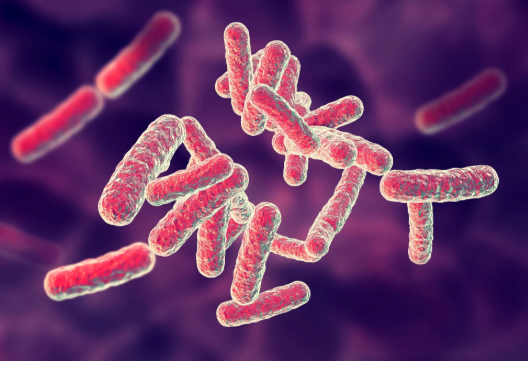
The concept of gut health encompasses the well-being of the digestive tract, which is home to a complex and diverse community of microorganisms known as gut microbiota. This microbiota comprises trillions of bacteria, viruses, fungi, and other microorganisms that play a crucial role in various bodily functions. These microorganisms are not just passive inhabitants; rather, they actively participate in digestion, immune function, and the metabolism of nutrients.
Gut microbiota is essential for maintaining overall health. It aids in the breakdown of complex carbohydrates and fibers that the human body cannot digest on its own, thereby contributing to optimal nutrient absorption. This symbiotic relationship allows the host to derive maximum nutritional benefit from food. Furthermore, the gut microbiota is instrumental in producing essential vitamins, such as B vitamins and vitamin K, which are vital for many physiological processes.
The balance of gut microbiota is critical; a diverse microbiome contributes to a robust digestive system, while imbalances can lead to health issues. Disruptions in gut microbiota can result from various factors including poor diet, antibiotic usage, and stress. Such dysbiosis is linked to a range of gastrointestinal disorders, metabolic syndromes, and even mental health conditions. Therefore, understanding gut health is paramount, as it serves as a foundation for overall bodily functions.
As we delve deeper into the intricate world of gut microbiota, it becomes evident that probiotics—a category of beneficial bacteria—can significantly influence gut health. These microorganisms may help restore balance and improve digestive function when dysbiosis occurs. Thus, recognizing the importance of maintaining a healthy gut microbiome is essential for promoting overall well-being.
Understanding Probiotics
Probiotics are living microorganisms that, when administered in adequate amounts, confer health benefits to the host. Primarily, these beneficial bacteria are found in the gut, where they play a crucial role in maintaining the balance of the gut microbiota, a diverse community of microbes that aid in digestion and overall health. There are several types of probiotics, categorized mainly into two groups: Lactobacillus and Bifidobacterium. Other noteworthy probiotic strains include Saccharomyces boulardii and Streptococcus thermophilus, each offering unique advantages.
Probiotics contribute significantly to gut health by supporting the body’s natural digestive processes. They enhance the breakdown of complex carbohydrates, facilitating nutrient absorption and maximizing the availability of essential vitamins and minerals. By producing enzymes and short-chain fatty acids, probiotics help maintain a healthy gut lining, which can prevent issues such as leaky gut syndrome. Additionally, these microorganisms can outcompete harmful pathogens, reducing the risk of infections and supporting the immune system.
The benefits of probiotics extend beyond digestion; studies have indicated their potential role in alleviating symptoms associated with gastrointestinal disorders, such as irritable bowel syndrome (IBS) and inflammatory bowel disease (IBD). Furthermore, emerging evidence suggests that a well-nourished microbiota influences mental health and obesity, highlighting the profound interconnectedness of gut health and overall well-being. In essence, probiotics serve as a vital component of a healthy digestive system, enhancing not only nutrient absorption but also the body’s resilience against digestive-related afflictions.
The Composition of Gut Microbiota
The gut microbiota, a complex community of microorganisms residing in the gastrointestinal tract, comprises primarily bacteria, along with viruses, fungi, and archaea. Among these, bacteria are the most extensively studied and recognized for their significant role in digestion. The predominant bacterial phyla within the gut include Firmicutes and Bacteroidetes, which together account for approximately 90% of the total microbial population. These phyla are further divided into several genera, such as Lactobacillus, Bifidobacterium, and Faecalibacterium, each contributing uniquely to digestive health.
Diversity in gut microbiota is crucial for a well-functioning digestive system. A balanced microbiota can effectively ferment dietary fibers, synthesize essential vitamins, and facilitate the absorption of nutrients. Additionally, certain bacteria play a vital role in breaking down complex carbohydrates, thus aiding in the digestion process. A diverse microbial community is also vital for maintaining a robust immune response and preventing the colonization of pathogenic organisms.
Several factors can impact the composition of gut microbiota. Diet is one of the most significant influences; a diet rich in fiber, fruits, and vegetables fosters a diverse microbiome. Conversely, diets high in processed foods and sugars can lead to decreased bacterial diversity, promoting dysbiosis—a condition associated with various gastrointestinal disorders. Age and environmental aspects, such as geographical location and exposure to antibiotics, also contribute to microbiota diversity. As individuals age, their gut microbiota undergoes significant changes, often leading to a reduction in diversity, which may affect digestion and overall health.
The Role of Gut Microbiota in Digestion
Gut microbiota, the diverse community of microorganisms residing in the digestive tract, plays an essential role in human digestion. These microorganisms primarily occupy the large intestine and significantly contribute to the digestive process through several mechanisms. One of the critical functions of gut microbiota is the breakdown of complex carbohydrates that the human body cannot digest on its own. This process is known as fermentation, during which beneficial bacteria transform these carbohydrates into simpler compounds.
As gut microbiota ferments complex carbohydrates, such as dietary fibers, they produce short-chain fatty acids (SCFAs) like acetate, propionate, and butyrate. SCFAs serve various functions, including acting as an energy source for colon cells, regulating gut motility, and maintaining the overall health of the gut. The presence of SCFAs in the colon is vital for enhancing intestinal barrier function, thereby reducing the risk of inflammatory bowel diseases and other gut-related disorders.
Moreover, gut microbiota is involved in the synthesis of essential vitamins and nutrients. Certain strains of bacteria are responsible for synthesizing vitamins such as B12, folic acid, and biotin, all of which are crucial for various metabolic processes in the body. The absorption of these vitamins is facilitated through the activities of gut microbiota, which ensure that nutrients are bioavailable. This interplay between the gut environment and microbial communities underscores the importance of maintaining a balanced and diverse microbiota to promote optimal digestion.
Furthermore, gut microbiota contributes to the host’s immune response and helps modulate inflammation in the digestive system. A healthy balance of gut microbiota is essential to support the physiological processes of digestion, nutrient absorption, and overall gut health. Ensuring the diversity and functionality of the microbiome can have profound implications for maintaining digestive health and preventing gastrointestinal disorders.
Probiotics and Gut Microbiota Interaction
The relationship between probiotics and gut microbiota is a dynamic and intricate one. Probiotics, which are live microorganisms that confer health benefits when consumed in adequate amounts, play a significant role in modulating the gut microbiome. The existing gut microbiota consists of a diverse array of microorganisms that contribute to various physiological functions, including digestion. An important aspect of this interaction is the concept of colonization resistance, wherein established gut bacteria can prevent the invasion and overgrowth of pathogenic organisms.
Probiotics can enhance the health-promoting bacteria present in the gut and may assist in restoring a balanced microbiota, particularly following disturbances caused by antibiotics, illness, or dietary changes. For instance, specific strains of probiotics have been shown to inhibit the growth of harmful bacteria by competing for nutrients and attachment sites on the intestinal lining. This competitive exclusion helps to maintain a healthy gut environment.
Moreover, probiotics can improve the overall metabolic activity of the gut microbiota by producing short-chain fatty acids (SCFAs), which serve as energy sources for colon cells and possess anti-inflammatory properties. The introduction of probiotics may also lead to an increase in the diversity of gut microbiota, which is often associated with better health outcomes. These interactions can ultimately aid in enhancing digestive health, improving gut barrier function, and bolstering the immune response.
In essence, the interplay between probiotics and gut microbiota is fundamental to maintaining digestive health. By supporting beneficial microbial populations and enhancing their functions, probiotics offer crucial support in promoting a balanced gut environment that is less susceptible to disease.
Health Benefits of Probiotics for Digestion
Probiotics have garnered considerable attention in recent years due to their numerous health benefits, particularly concerning digestive health. These beneficial bacteria play an integral role in maintaining a balanced gut microbiota, which is essential for effective digestion and overall well-being. One of the prominent benefits of probiotics is their ability to alleviate symptoms associated with irritable bowel syndrome (IBS). Clinical studies have shown that specific strains of probiotics can significantly reduce abdominal pain and bloating in individuals suffering from IBS. In addition, these probiotics can help regulate bowel habits, providing relief from both diarrhea and constipation.
Research indicates that probiotics can enhance the gut barrier function, protecting against intestinal permeability (often referred to as “leaky gut”) that can lead to various digestive issues. The consumption of probiotics has been associated with improved gut flora diversity, which in turn supports the digestion of complex carbohydrates and the absorption of nutrients. Studies also highlight that probiotics may produce beneficial short-chain fatty acids (SCFAs) during fermentation, which promote gut motility and enhance gastrointestinal health.
Another area of interest is the role of probiotics in preventing antibiotic-associated diarrhea. When antibiotics disrupt the natural balance of gut bacteria, the introduction of probiotics can help restore this balance, thereby reducing the incidence of diarrhea linked to antibiotic use. Furthermore, the anti-inflammatory properties of certain probiotic strains can help mitigate digestive inflammation, offering a therapeutic approach for individuals with conditions such as inflammatory bowel disease.
In summary, the health benefits of probiotics for digestion are substantial. They not only improve functional gastrointestinal health but also contribute to broader digestive processes, enhancing the body’s ability to utilize nutrients effectively. As research continues to evolve, the understanding of how probiotics interact with gut microbiota will expand, offering even more insights into their role in digestive well-being.
Dietary Sources of Probiotics and Prebiotics
Probiotics, often referred to as “friendly” bacteria, are vital for maintaining a healthy gut microbiota, which plays a significant role in digestion and overall health. A variety of dietary sources of probiotics can be incorporated into daily meals, with fermented foods being among the most prominent. Fermented dairy products, such as yogurt, kefir, and cheese, are rich in probiotics. These foods not only contain live cultures but also contribute to a balanced diet through their calcium and protein content.
In addition to dairy options, plant-based fermented foods like kimchi, sauerkraut, and miso also serve as excellent sources of probiotics. These foods have gained popularity in diverse culinary practices, offering unique flavors while promoting gut health. It is recommended to choose unpasteurized versions of such products since pasteurization can eliminate the live beneficial bacteria.
While probiotics are crucial for gut health, the integration of prebiotics is equally important. Prebiotics are non-digestible fibers that serve as food for beneficial gut bacteria, helping them flourish. Common dietary sources of prebiotics include fiber-rich foods such as bananas, onions, garlic, asparagus, and whole grains like oats and barley. By including these foods in the diet, individuals can promote the growth of probiotics in their gut.
To effectively incorporate these probiotic and prebiotic sources into daily routines, consider simple strategies such as adding yogurt or kefir to smoothies, including a side of fermented vegetables with meals, or including garlic and onions in cooking to enhance flavors and health benefits. A diverse diet rich in these foods can significantly improve gut microbiota composition, thereby enhancing digestion and overall wellness.
Probiotic Supplements: What to Consider
When selecting probiotic supplements, several key factors should be evaluated to ensure efficacy and safety. Firstly, it is crucial to consider the specific strains of probiotics included in the supplement. Different strains offer varying benefits; for example, Lactobacillus and Bifidobacterium are common strains known for their positive effects on gut health. Research indicates that certain strains may be more effective for particular conditions, such as Irritable Bowel Syndrome (IBS) or antibiotic-associated diarrhea. Therefore, identifying your primary health needs can guide your choice of probiotic strains.
Another important aspect to assess is the colony-forming units (CFUs). The CFU count indicates the number of viable microorganisms in a single dose of the supplement. A higher CFU count doesn’t always guarantee better results; it should be suitable for the intended purpose. Typically, a range of 1 billion to 10 billion CFUs per serving is considered effective for general digestive health. For specific issues, higher doses may be advisable, but it is best to consult a healthcare professional.
Potential side effects are also a crucial consideration when choosing probiotic supplements. While generally safe for most individuals, some users may experience mild digestive discomfort, such as bloating or gas, particularly when starting supplementation. It’s advisable to start with a lower dose and gradually increase it to allow the body to adapt. Moreover, individuals with compromised immune systems or underlying health conditions should seek medical advice prior to starting any probiotic regimen. Choosing high-quality products is vital; look for those that do not require refrigeration, have a clear expiration date, and are tested for potency and purity. By considering these factors, one can make informed decisions regarding probiotic supplementation, potentially improving overall gut health.
Conclusion: The Future of Gut Health Research
The exploration of probiotics and gut microbiota has become a pivotal area of research in understanding digestion and overall health. This article has traversed the multifaceted roles that gut microbiota play in digestion, highlighting how probiotics contribute to a balanced gut ecosystem. The diversity and composition of gut microbiota are influenced by various factors, including diet, lifestyle, and environmental exposures. As we have discussed, maintaining a healthy gut microbiome is crucial for optimal digestive function and prevention of gastrointestinal diseases.
Looking ahead, future research in gut health is poised to delve deeper into the therapeutic applications of probiotics. Researchers are increasingly examining how specific strains of probiotics can be tailored to address distinct gastrointestinal disorders, potentially offering personalized approaches to treatment. Moreover, advancements in metagenomic sequencing are facilitating comprehensive insights into the gut microbiome’s composition, allowing for a better understanding of how different bacteria affect not only digestion but also immune response and mental health.
Furthermore, the growing awareness of the gut-brain axis suggests a potential link between gut health and neurological functions, opening new avenues for research into probiotics as adjunct therapies for mental health conditions. With the emphasis on a holistic approach to health, integrating knowledge from microbiology, nutrition, and psychology could lead to groundbreaking advancements in how we perceive gut health.
In summary, the future of gut health research is bright, with promising prospects for developing probiotics that are not only effective in enhancing digestion but also instrumental in preventing various health issues. Continuous investment in this field will likely yield novel insights, ultimately translating into improved health outcomes for individuals globally.