

 is a popular dietary pattern that alternates between periods of eating and fasting, offering numerous health)
Introduction to Intermittent Fasting
Intermittent fasting (IF) is an eating pattern that alternates between periods of fasting and eating. Rather than focusing on what foods to eat, it emphasizes when to eat. Various methods of IF have gained traction, with popular protocols including the 16/8 method, which involves fasting for 16 hours and eating during an 8-hour window, and the 5:2 method, which allows normal eating for five days of the week while limiting calorie intake to approximately 500-600 calories on the other two days.
The concept of fasting is not new; it has historical roots in many cultures and religious practices. For instance, fasting is often seen in religious traditions such as Ramadan in Islam, Lent in Christianity, and Yom Kippur in Judaism, where adherents embrace abstention from food for certain durations as a form of spiritual discipline and purification. Moreover, ancient civilizations employed fasting for various reasons, including health benefits and ceremonial observance, suggesting that the practice carries a heritage that predates modern dietary trends.
The resurgence of interest in intermittent fasting within health and fitness communities is primarily attributed to its potential health benefits, including weight loss, improved metabolic health, and longevity. Research indicates that IF may enhance insulin sensitivity, promote fat loss, and even mitigate age-related diseases. Therefore, it is not surprising that numerous individuals are turning to intermittent fasting as a feasible lifestyle choice to improve their overall health.
As with any dietary approach, it is crucial to consider individual preferences, medical conditions, and lifestyle factors when adopting an intermittent fasting regimen. Engaging with a knowledgeable healthcare professional can provide valuable guidance and ensure that this eating pattern aligns with personal health goals. Through this understanding, individuals can navigate the diverse landscape of intermittent fasting and its potential advantages effectively.
The Science Behind Metabolic Adaptation
Metabolic adaptation refers to the physiological changes that occur in response to alterations in dietary intake and energy expenditure. This concept is crucial for understanding how the human body adjusts to weight loss, dietary modifications, or changes in physical activity levels. At the core of metabolic adaptation lies the basal metabolic rate (BMR), which reflects the amount of energy expended while at rest. BMR accounts for a significant portion of daily energy expenditure and varies based on individual factors such as age, gender, body composition, and overall health.
When an individual reduces caloric intake to lose weight, the body often responds by decreasing its BMR to conserve energy. This response is an evolutionary mechanism aimed at survival, enabling the body to function efficiently during periods of food scarcity. The extent of this BMR reduction can vary significantly among individuals, influenced by factors such as the magnitude and duration of caloric deficit, as well as differences in genetics and hormonal responses.
Furthermore, metabolic adaptation involves hormonal changes that occur due to shifts in energy intake. For example, levels of thyroid hormones, which play a vital role in regulating metabolism, may decrease following sustained caloric restriction. This reduction can further contribute to a lower metabolic rate, creating a cycle that complicates weight loss efforts. Additionally, hormones such as leptin and ghrelin, which regulate appetite and energy balance, may also be affected, potentially leading to increased hunger and decreased satiety.
Overall, understanding these metabolic mechanisms is essential for individuals engaging in intermittent fasting or those undergoing weight management strategies. By recognizing how the body adapts metabolically, one can better tailor nutritional approaches to mitigate unwanted adaptations and support sustainable health outcomes.
How Intermittent Fasting Affects Metabolism
Intermittent fasting (IF) has gained popularity in recent years due to its various health benefits, particularly its effects on metabolism. One of the primary mechanisms through which intermittent fasting operates is by enhancing insulin sensitivity. During fasting periods, insulin levels decrease, which allows the body to utilize fat as a primary energy source. This metabolic shift not only facilitates fat oxidation but also helps in stabilizing blood sugar levels, making it a favorable practice for those managing prediabetes or type 2 diabetes.
Research indicates that intermittent fasting can significantly increase the body’s ability to oxidize fat. Studies show that when individuals engage in fasting, their bodies adapt by utilizing stored fat for energy, leading to improved fat loss over time. This process is further supported by hormonal changes that occur during fasting. For instance, fasting prompts an increase in norepinephrine, a hormone that aids fat breakdown, and elevates growth hormone levels, which can enhance fat loss and muscle preservation.
Moreover, intermittent fasting can positively influence several metabolic hormones. One of the notable effects is on ghrelin, often termed the “hunger hormone.” Fasting periods can alter ghrelin secretion, which can help in reducing hunger levels during feeding windows. Additionally, alterations in leptin, another critical hormone related to satiety, have been observed, suggesting that IF may improve appetite regulation.
Research findings have highlighted these metabolic benefits associated with intermittent fasting, showing not only the immediate effects on fat oxidation and insulin sensitivity but also the long-term implications for weight management and metabolic health. Overall, the positive adaptation of metabolic pathways during fasting periods underscores the potential of intermittent fasting as an effective strategy for enhancing metabolic efficiency.
The Role of Hormones in Metabolic Adaptation during Intermittent Fasting
Intermittent fasting (IF) leads to significant changes in hormonal regulation, which plays a crucial role in the process of metabolic adaptation. This adaptation is essential for optimizing energy utilization and managing hunger signals. Key hormones such as insulin, glucagon, cortisol, and growth hormone are intricately involved in these processes.
Insulin, often referred to as the primary hormone for glucose regulation, decreases during fasting periods. A reduction in insulin levels promotes fat utilization by signaling the body to shift from glucose to fat as the primary energy source. This effect not only aids weight loss but encourages the utilization of stored energy, thereby enhancing metabolic flexibility.
Conversely, glucagon acts as a counter-regulatory hormone that supports metabolic adaptation during fasting. When insulin levels drop, glucagon levels rise, facilitating the release of glucose from stores in the liver and promoting lipolysis, which contributes to fat burning. This hormonal interplay is vital for maintaining stable energy levels and preventing excessive hunger.
Cortisol, a hormone associated with stress, also elevates during fasting. While elevated cortisol is often viewed negatively, its role in intermittent fasting can promote gluconeogenesis and the maintenance of metabolic processes, especially during prolonged periods without food. However, its effects must be balanced to avoid the adverse impacts of chronic high levels.
Lastly, growth hormone secretion is stimulated during fasting, through action pathways that protect muscle mass while promoting fat utilization. Increased levels of growth hormone aid in the preservation of lean body mass, making it a critical component for individuals aiming for enhanced body composition while practicing intermittent fasting.
Benefits of Intermittent Fasting beyond Weight Loss
Intermittent fasting has gained attention not only for its weight loss benefits but also for a variety of additional health advantages that it offers. One of the primary benefits of intermittent fasting is its positive impact on cardiovascular health. Studies have shown that engaging in this dietary approach can lead to improvements in several cardiovascular markers, including lower blood pressure, reduced cholesterol levels, and decreased inflammation. These changes are crucial, as they contribute to a healthier heart and lower the risk of cardiovascular diseases.
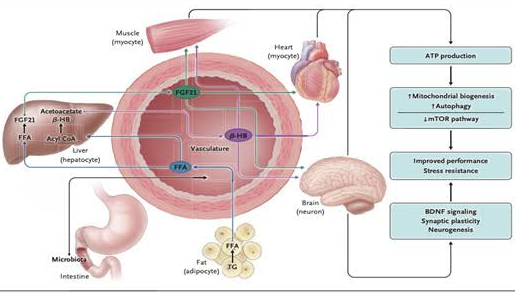
Moreover, intermittent fasting has been linked to enhanced brain function. Research suggests that the practice may promote neurogenesis, the process of forming new neurons, leading to better cognitive performance, improved memory, and overall brain health. The metabolic adaptation triggered by fasting encourages the production of brain-derived neurotrophic factor (BDNF), which plays an essential role in supporting neuron health and promoting resilience against stress and age-related decline.
Another significant advantage to consider is the potential for longevity effects. Intermittent fasting might activate cellular repair processes, such as autophagy, which helps in clearing out damaged cells and regenerating tissues. This mechanism is believed to slow down the aging process and fortify the body against chronic diseases. Additionally, some studies indicate that individuals who practice intermittent fasting may have increased lifespan, though more research is needed to establish definitive connections.
Overall, intermittent fasting not only serves as an effective tool for weight management but also presents an array of health benefits encompassing cardiovascular improvements, enhanced cognitive function, and potential longevity effects. These benefits are intricately linked to the metabolic adaptations that occur within the body during fasting periods, making it a comprehensive approach to health and well-being.
Common Myths about Intermittent Fasting and Metabolism
Intermittent fasting, a dietary approach that cycles between periods of eating and fasting, has gained significant popularity in recent years. Despite its growing acceptance, several myths persist regarding its impact on metabolism and overall health. This section aims to debunk some of the most common misconceptions surrounding intermittent fasting.
One prevalent myth suggests that intermittent fasting leads to muscle loss. However, research indicates that this approach, when done correctly, actually preserves muscle mass. Strength training and adequate protein intake during eating periods can help maintain muscle while promoting fat loss. Furthermore, studies have shown that intermittent fasting can enhance growth hormone levels, which plays a crucial role in muscle preservation.
Another common concern is the fear of metabolic slowdown. Many believe that prolonged fasting will decrease metabolic rate. Contrary to this belief, evidence suggests that short-term fasting can actually boost metabolism. This happens due to the increased norepinephrine levels that occur during fasting, which accelerates fat breakdown and enhances energy expenditure.
The notion that intermittent fasting encourages binge eating is also misleading. While it may seem intuitive that extended periods of fasting would lead to overeating, research has demonstrated that individuals often naturally regulate their caloric intake. In fact, a structured eating regimen can lead individuals to become more mindful of their food choices, ultimately preventing excessive caloric consumption.
In summary, debunking these myths about intermittent fasting and metabolism reveals that this approach to eating can be both effective and health-promoting. By understanding these misconceptions and the scientific evidence that counters them, individuals can make informed decisions about their dietary practices.
Who Should Consider Intermittent Fasting?
Intermittent fasting (IF) has gained popularity as a dietary approach for various individuals seeking to improve their health and wellness. However, specific demographics may find greater benefits from this eating pattern than others. One group that frequently considers intermittent fasting includes individuals aiming for weight loss. By allowing a restricted eating window, intermittent fasting can facilitate reduced caloric intake while enhancing fat oxidation, making it an appealing strategy for those struggling with obesity or overweight issues.
Athletes also represent a demographic that can benefit from intermittent fasting. While some may worry that fasting could hinder performance, several studies indicate that adopting IF may help improve metabolic flexibility, boost endurance, and increase fat utilization during exercise. This becomes especially pertinent for endurance athletes who rely on efficient energy usage over longer durations, allowing them to adapt their bodies to use fat stores more effectively.
Additionally, individuals with certain health conditions may consider intermittent fasting under medical supervision. For example, those with metabolic disorders, such as type 2 diabetes, or individuals at risk of developing cardiovascular diseases may find that intermittent fasting helps improve insulin sensitivity and promotes better overall metabolic health. However, it is crucial for these individuals to consult healthcare professionals before initiating any fasting regimen, as personalized guidance can mitigate potential risks.
Ultimately, while intermittent fasting may provide benefits for various demographics, it is essential for each individual to assess their personal health status, lifestyle, and specific goals before starting such an eating pattern. As with any dietary approach, informed decision-making and proper planning are key to maximizing the potential advantages of intermittent fasting.
Potential Downsides and Considerations of Intermittent Fasting
While intermittent fasting has gained popularity as an effective dietary strategy for weight management and metabolic health, it is essential to consider potential downsides and risks. One significant concern is its impact on social eating. Many social gatherings revolve around shared meals, and adhering to a fasting schedule can create barriers to participation. Individuals practicing intermittent fasting may find it challenging to engage fully in social activities, potentially leading to feelings of isolation or anxiety regarding meal occasions.
Another important consideration is the potential for disordered eating patterns. For some individuals, the restrictive nature of intermittent fasting can trigger unhealthy relationships with food, such as binge eating during feeding periods or obsessing over meal timing. The rigidity of fasting schedules may not be suitable for everyone, particularly those with a history of eating disorders or a tendency toward unhealthy eating behaviors. It is crucial for individuals contemplating this dietary approach to evaluate their mental and emotional relationship with food.
Furthermore, intermittent fasting may not be appropriate under certain circumstances. Specific populations, such as pregnant or breastfeeding women, individuals with a history of eating disorders, or those with underlying health conditions like diabetes, should approach intermittent fasting with caution. These groups may experience adverse effects or may require tailored dietary plans to maintain optimal health. Thus, consulting healthcare professionals before starting an intermittent fasting regimen is highly advisable to ensure safety and suitability.
In conclusion, while intermittent fasting may offer various health benefits, it is vital to remain aware of its possible downsides. Social eating, the risk of disordered eating, and individual health status play significant roles in determining whether this eating pattern is appropriate for a person. As with any dietary approach, understanding these considerations will assist individuals in making informed choices that align with their overall wellness goals.
Conclusion and Future Research Directions
Throughout this discussion, the intricate relationship between intermittent fasting and metabolic adaptation has been emphasized. Intermittent fasting, a dietary pattern characterized by alternating periods of eating and fasting, has gained attention for its potential benefits on metabolic health, weight loss, and even longevity. Metabolic adaptation refers to the body’s ability to adjust its energy expenditure in response to changes in diet and fasting patterns, which can significantly influence the outcomes of intermittent fasting.
Understanding metabolic adaptation is crucial for maximizing the benefits of intermittent fasting. With a proper comprehension of how the body responds to altered calorie intake and fasting durations, individuals can better tailor their fasting strategies to their specific metabolic profiles. Factors such as age, gender, genetics, and lifestyle play a pivotal role in how one experiences metabolic adaptation, and these considerations cannot be overlooked in nutritional planning.
Despite the increasing popularity of intermittent fasting, there remain numerous avenues for future research. Areas that warrant further exploration include long-term effects of various intermittent fasting protocols on metabolic health, the impact of different fasting durations on hormonal responses, and the interaction between fasting and individual variability in metabolism. Additionally, more extensive studies addressing the psychological effects of fasting will help to clarify how it influences adherence and success in weight management.
In conclusion, a more thorough understanding of the mechanisms underlying metabolic adaptation in relation to intermittent fasting is essential for leveraging its potential health benefits. Continued research will not only enhance our knowledge but may also establish more effective dietary strategies for diverse populations, ensuring that individuals can achieve optimal health outcomes through informed dietary practices.