


Understanding Gut Health
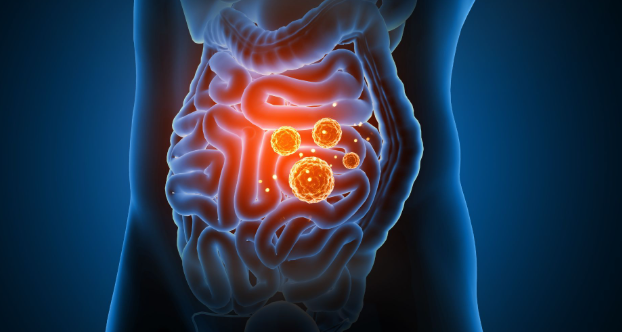
Gut health refers to the overall state of the digestive system, encompassing the functional and structural integrity of the gastrointestinal tract. A crucial aspect of gut health is the gut microbiome, which comprises trillions of microorganisms, including bacteria, viruses, fungi, and other microbes. These microorganisms play vital roles in maintaining overall health by aiding in digestion, absorbing nutrients, and supporting the immune system.
The gut microbiome is composed of numerous species that vary from person to person, influenced by factors such as diet, lifestyle, and environmental exposures. A diverse microbiome is generally associated with better health outcomes, as a broad spectrum of microorganisms contributes to a more resilient digestive system. In contrast, a lack of diversity—a condition often referred to as dysbiosis—may lead to various health issues, including gastrointestinal disorders, obesity, and even autoimmune diseases.
A well-functioning gut not only helps break down food to extract energy and nutrients but also plays a significant role in the body’s immune responses. Approximately 70% of the immune system is located in the gut, making it a central player in protecting against pathogens. The gut produces various immune cells and antibodies in response to harmful invaders, thereby minimizing the risk of infections. Furthermore, the gut microbiome helps to modulate inflammation and supports the production of short-chain fatty acids, which have been linked to improved gut health and immune function.
Therefore, maintaining good gut health is essential for overall well-being. A balanced diet rich in fiber, fermented foods, and probiotics can foster a healthy gut microbiome, further reinforcing its critical role in digestion and immunity.
The Gut-Immune System Connection
The relationship between gut health and the immune system is a complex and vital one, often termed the gut-immune axis. A balanced gut microbiome plays a crucial role in maintaining a strong immune response. This intricate system is influenced by the diverse array of microorganisms living within the gastrointestinal tract, which collectively are known as the gut microbiota. Research indicates that these microbes contribute to immune modulation by interacting with the gut-associated lymphoid tissue (GALT), a primary component of the body’s immune defense.
When the gut microbiome is balanced, it enhances the immune system’s ability to fight off pathogens and infections. Beneficial bacteria aid the production of short-chain fatty acids, which have anti-inflammatory properties and support the integrity of the gut lining. This helps prevent harmful bacteria and toxins from entering the bloodstream. Furthermore, a healthy gut microbiota fosters the development of various immune cells, such as T cells and regulatory T cells, that are essential for adaptive immunity.
Conversely, disruptions in gut health, often caused by factors such as poor diet, stress, and antibiotic use, can disturb the balance of the microbiota, resulting in dysbiosis. This condition can lead to compromised immune function, making the body more susceptible to infections and chronic diseases. For instance, when harmful microorganisms proliferate, they may trigger inflammation and impair the immune response, leading to autoimmune issues or allergies. Chronic low-grade inflammation, as a result of an impaired gut microbiome, has been linked with several health conditions, ranging from gastrointestinal disorders to metabolic diseases.
Understanding the pivotal role of gut health in immunity highlights the importance of maintaining a balanced diet rich in prebiotics and probiotics. These components can support a thriving microbiome, thereby enhancing immune function and overall health.
The Role of Microbiota
The human gut is home to a vast array of microorganisms collectively known as the microbiota, which play a crucial role in maintaining gut health and supporting the immune system. This diverse community includes trillions of bacteria, viruses, fungi, and other microbes that coexist with human cells, creating a complex ecosystem essential for various physiological functions.
Bacteria are the most abundant microorganisms in the gut, with over a thousand different species identified. Among these, beneficial bacteria such as Lactobacillus and Bifidobacterium contribute to gut health by enhancing nutrient absorption, producing essential vitamins, and performing protective functions against pathogenic organisms. Additionally, these bacteria help regulate inflammation and enhance the immune response, effectively aiding the body in identifying and responding to potential threats.
Viruses, particularly bacteriophages, are also present within the microbiota and primarily target bacterial populations. While they might seem harmful, these viruses can help maintain the microbial balance within the gut. By regulating bacterial growth, they prevent dominance of harmful bacteria, thus contributing indirectly to overall gut health.
Fungi, such as yeast, also inhabit the gut and play roles that are still being explored. They can contribute to the fermentation process in partnership with bacteria and assist in digesting complex carbohydrates. Furthermore, certain fungi may influence immune responses by modulating local immune cells, thereby fostering an appropriate immune reaction to various stimuli.
The interplay between these microorganisms is essential for maintaining gut health and, by extension, the immune system. A balanced microbiota supports a robust immune response, helping to protect against infections and diseases. Disruptions to this microbiota, whether through diet, illness, or the use of antibiotics, can negatively impact gut health and immunity, highlighting the importance of understanding and promoting a healthy microbiome.
Impact of Diet on Gut Health
The relationship between diet and gut health is a crucial area of research, as food choices significantly affect the composition and functioning of the gut microbiome. A balanced diet is essential for promoting gut health, as it influences the diversity and abundance of beneficial microorganisms that reside in the gastrointestinal tract.
Fiber, for instance, plays a vital role in maintaining gut health. It acts as a prebiotic, which means it serves as food for beneficial gut bacteria. High-fiber foods, such as whole grains, fruits, and vegetables, contribute to a healthy microbiome by promoting the growth of good bacteria. These bacteria ferment fiber and produce short-chain fatty acids (SCFAs), which are crucial for maintaining gut barrier function and reducing inflammation.
In contrast, diets high in processed foods, sugars, and unhealthy fats can disrupt gut equilibrium. Such dietary components can lead to an overgrowth of harmful bacteria and a decrease in beneficial species, ultimately affecting gut balance. Processed foods often lack essential nutrients and fiber while being rich in additives that may negatively impact gut health.
Moreover, the inclusion of probiotics—live beneficial bacteria—can have a positive effect on gut health. Probiotic-rich foods like yogurt, kefir, and fermented vegetables can help restore the balance of gut microorganisms, especially after disturbances caused by antibiotic use or an unbalanced diet.
Ultimately, mindful dietary choices play a pivotal role in either supporting or impairing gut health. Consuming a varied diet rich in fiber, probiotics, and minimally processed foods will help maintain a harmonious gut environment, fostering overall health and robust immunity.
Signs of an Unhealthy Gut
An unhealthy gut can manifest in a variety of symptoms that may significantly impact an individual’s overall health. One of the most notable signs is a range of digestive problems. These can include bloating, gas, diarrhea, constipation, and heartburn. Such gastrointestinal issues often signal an imbalance in gut bacteria or the presence of food sensitivities. Individuals experiencing these symptoms frequently may benefit from evaluating their dietary choices and seeking medical advice.
Moreover, the implications of poor gut health extend beyond digestive discomfort. Research has shown that an unhealthy gut can lead to various autoimmune diseases. These conditions arise when the immune system mistakenly attacks healthy cells in the body, a process that may be influenced by the gut microbiome. Symptoms of autoimmune diseases vary widely, including fatigue, joint pain, skin rashes, and more, often complicating the path to diagnosis.
Additionally, mental health issues such as anxiety and depression are increasingly recognized as interconnected with gut health. The gut-brain axis illustrates the communication link between the gastrointestinal tract and the brain. An imbalance in gut bacteria can lead to altered neurotransmitter production, affecting mood and emotional well-being. This connection underscores the importance of maintaining a healthy gut to support not just physical, but also mental health.
Other signs that may indicate poor gut health include fatigue, frequent infections, and unexplained weight fluctuations. A compromised gut can impair nutrient absorption, leading to deficiencies that might contribute to feelings of tiredness and a diminished immune response. Addressing gut health is thus essential for fostering a robust immune system and to maintain overall wellness.
Maintaining a Healthy Gut
Maintaining a healthy gut is paramount for overall well-being, as it plays a significant role in the body’s immune response. A balanced gut microbiome can be achieved through various strategies that incorporate dietary changes, the use of supplements like probiotics, and adopting beneficial lifestyle habits.
First and foremost, diet significantly influences gut health. Incorporating a variety of fiber-rich foods, such as fruits, vegetables, and whole grains, can promote the growth of beneficial gut bacteria. Fermented foods, such as yogurt, kefir, sauerkraut, and kimchi, are also vital, as they naturally contain probiotics. These foods help replenish healthy bacteria within the gut, supporting the immune system and improving digestion.
Furthermore, reducing the intake of highly processed foods and sugars is crucial. These substances can disrupt the delicate balance of gut microbiota, potentially leading to an unhealthy gut. Instead, focusing on whole, nutrient-dense foods can optimize gut function and enhance immune responses.
In addition to dietary changes, lifestyle habits greatly influence gut health. Regular physical activity is one such habit; studies have shown that exercise can increase the diversity of gut bacteria, which is closely linked to a robust immune system. Therefore, incorporating regular exercise—whether through walking, running, swimming, or yoga—can positively impact gut health.
Adequate sleep is another essential factor. Sleep deprivation can negatively affect gut health, leading to inflammatory responses that may compromise immune efficacy. Establishing a consistent sleep schedule and creating a restful environment can promote better sleep quality, ultimately benefiting both gut health and immunity.
By implementing these dietary changes, incorporating probiotics, and adopting a healthy lifestyle that includes exercise and sufficient rest, individuals can significantly improve their gut health, leading to enhanced immunity and overall wellness.
Gut Health and Disease Prevention
The gut microbiome plays a pivotal role in maintaining overall health, particularly in disease prevention. A balanced and diverse gut microbiota is essential for supporting the immune system, which can significantly reduce the risk of various diseases, including autoimmune conditions and infections. Research indicates that gut health is intricately linked to immune function, as an optimal microbiome can enhance the body’s ability to fend off pathogens and modulate inflammatory responses.
Autoimmune diseases arise when the body’s immune system mistakenly attacks its own cells. A healthy gut can help mitigate this risk by facilitating a well-functioning immune system. The gut produces antibodies and immune cells that are crucial for recognizing foreign invaders. An imbalance in the gut microbiome, which can occur due to poor diet, stress, and certain medications, is linked to increased inflammation and a heightened autoimmune response. Consequently, maintaining gut health through proper diet and lifestyle can contribute significantly to lower the likelihood of developing autoimmune conditions.
Infections, too, can be impacted by gut health. The gut microbiome acts as a barrier to pathogens, preventing their entry into the bloodstream. Beneficial bacteria stimulate the production of mucus and other protective substances, providing an additional line of defense against pathogens. Furthermore, a healthy gut microbiome enhances the body’s ability to absorb nutrients, including those that are crucial for immune health, such as vitamins A, C, and D, as well as zinc. This absorption is vital for sustaining the immune system’s readiness to combat infections.
By prioritizing gut health through a diet rich in fiber, probiotics, and prebiotics, individuals can improve their immune function and, as a result, prevent diseases more effectively. This emphasizes the importance of understanding gut health not only as a digestive concern but as a fundamental aspect of long-term health and disease prevention.
Research and Future Directions
Recent studies have increasingly emphasized the importance of gut health and its significant role in immune function. Research indicates that a diverse and balanced gut microbiome is crucial for the modulation of immune responses, helping to protect against various diseases. Current investigations focus on understanding the mechanisms through which gut microbiota influence the immune system, revealing a complex interplay between gut health and overall immunity.
For instance, emerging research suggests that specific strains of probiotics can enhance gut health, potentially leading to enhanced immune responses. Probiotics may help regulate the gut-associated lymphoid tissue (GALT), which plays a pivotal role in mediating immune responses. Studies have also observed correlations between dysbiosis—a microbial imbalance in the gut—and the incidence of allergies, autoimmune disorders, and gastrointestinal diseases.
Moreover, recent findings highlight the impact of diet and lifestyle on gut health, further linking these factors to immune function. Diets rich in fiber, fermented foods, and polyphenols can promote beneficial gut bacteria, consequently supporting immune system efficiency. Personalized nutrition approaches that consider individual microbiome composition are gaining attention as potential therapies for improving gut health and immunity.
Looking ahead, researchers are keen on exploring innovative therapies that target gut health as a means of enhancing immune function. Novel treatments, including fecal microbiota transplantation (FMT) and microbiome modulation through dietary interventions, hold promise in addressing immune-related conditions. Additionally, understanding genetic predispositions to microbial variations in individuals can pave the way for tailored interventions aimed at restoring gut health and optimizing immune responses.
As we delve deeper into the intricacies of gut health and immunity, continued research will be critical in shaping future healthcare strategies aimed at harnessing the gut microbiome as a therapeutic avenue for promoting better health outcomes.
Conclusion: The Importance of a Healthy Gut
Maintaining gut health is paramount for overall well-being and effective immune function. As discussed throughout this blog, there is a profound connection between our gut microbiome and the immune system. The gut is not merely a digestive organ; it serves as a critical component of our body’s defense mechanism, influencing how we respond to pathogens and disease.
A healthy gut microbiome can help in the modulation of immune responses, decrease inflammation, and enhance the body’s ability to fight infections. Therefore, it is imperative to recognize the role that nutrition plays in maintaining gut health. Consuming a balanced diet rich in fiber, probiotics, and prebiotics can significantly improve gut flora, thereby fostering a more robust immune system.
Furthermore, lifestyle choices such as regular physical activity, stress management, adequate sleep, and staying hydrated contribute not only to gut health but to overall immunity as well. These practices are essential for nurturing a thriving microbial community within our intestines, which ultimately leads to better health outcomes.
In view of the information presented, it is clear that prioritizing gut health can yield significant benefits for our immune system and overall health. As we move forward, integrating gut-friendly foods into our diet and adopting healthier lifestyle habits should be a cornerstone of our health strategy. By doing so, we empower ourselves to enhance our immunity, resulting in a more resilient and healthier life.