
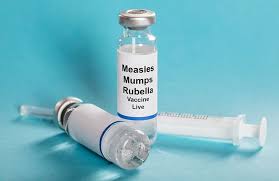


The measles vaccine is a small yet mighty tool in our public health arsenal. Measles may seem like a relic of the past, but it can still pose serious risks to communities around the world. The power of vaccination has dramatically reduced its prevalence, saving countless lives and preventing outbreaks. However, misconceptions about vaccines linger on, creating an urgent need for awareness and understanding.
In this post, we will explore not just how the measles vaccine works but also why it’s crucial for safeguarding public health. From historical outbreaks that remind us of its dangers to important regulations governing vaccinations today, every aspect plays a role in shaping our approach to disease prevention. Join us as we delve into these critical topics and highlight the importance of informed decisions about immunization for ourselves and future generations.
The History and Impact of Measles Outbreaks
Measles has a long history, tracing back centuries. It was once considered an inevitable childhood illness. Before the vaccine’s introduction in the 1960s, measles infected millions annually.
The impact of outbreaks can be severe. In some regions, high infection rates led to thousands of deaths each year. The virus spreads rapidly through respiratory droplets, making it particularly contagious.
High-profile outbreaks have drawn attention to vaccination rates and public health policies. Schools often become hotspots during spikes in cases when vaccination coverage drops.
In more recent years, misinformation about vaccines has fueled hesitancy. This leads to increased vulnerability within communities and sets the stage for resurgence.
Each outbreak serves as a reminder of how quickly diseases can return if immunity levels fall too low. Understanding this historical context is crucial for fostering informed discussions around public health measures today.
How Does the Measles Vaccine Work?
The measles vaccine is a live attenuated vaccine. This means it uses a weakened form of the virus that causes measles. When administered, it stimulates the immune system without causing disease.
Once injected, the body recognizes this weakened virus as an invader. It triggers an immune response, producing antibodies specifically designed to combat measles. These antibodies remain in the bloodstream long after vaccination.
If a vaccinated person later encounters the actual virus, their immune system can quickly recognize and respond effectively. This rapid defense helps prevent infection or significantly reduces its severity.
Vaccination not only protects individuals but also contributes to community immunity by reducing overall virus circulation. Thus, fewer people are likely to contract and spread measles.
The Importance of Herd Immunity
Herd immunity plays a crucial role in protecting communities from infectious diseases, including measles. When a significant portion of the population is vaccinated, the spread of the virus diminishes. This creates a barrier that helps shield those who cannot receive vaccinations due to medical reasons.
Vaccination not only protects individuals but also contributes to community health. The more people who are immune, the harder it becomes for viruses like measles to circulate. This collective protection safeguards vulnerable populations such as infants and immunocompromised individuals.
Maintaining high vaccination rates is essential for herd immunity to be effective. Even small declines in vaccine coverage can lead to outbreaks. It’s vital for everyone eligible to get vaccinated, ensuring that we protect one another and foster healthier communities overall.
Misconceptions and Controversies Surrounding the Measles Vaccine
Misconceptions about the measles vaccine are widespread and can be damaging. One common belief is that vaccines cause autism, a theory debunked by numerous studies over the years. This myth has fueled fear among parents.
Another misconception is that natural infection provides better immunity than vaccination. While this might seem logical, it overlooks the serious risks associated with measles itself, including complications like pneumonia and encephalitis.
Controversies often arise from personal beliefs or misinformation spread through social media. Some people claim vaccines infringe on personal freedoms without considering public health implications.
The role of healthcare professionals in addressing these concerns cannot be understated. Clear communication about vaccine safety and efficacy helps dispel myths and fosters trust within communities affected by misinformation. Understanding these issues is vital for encouraging informed choices regarding vaccinations.
State and National Regulations for Measles Vaccinations
State and national regulations regarding measles vaccinations play a crucial role in public health. Each state has its own laws governing vaccination requirements, particularly for school entry. These mandates ensure that children are protected against preventable diseases.
Some states have strict requirements, while others allow exemptions based on personal beliefs or medical reasons. Understanding these variations is essential for parents when considering their child’s vaccination status.
On a national level, organizations like the Centers for Disease Control and Prevention (CDC) set guidelines to promote widespread immunization. Their recommendations aim to maintain high vaccination rates across communities.
Failure to comply with local regulations can lead to consequences such as exclusion from school or daycare settings during outbreaks. This emphasizes the collective responsibility of individuals and families in safeguarding community health through adherence to established vaccine policies.
Conclusion: Making Informed Decisions for Public Health
The importance of the measles vaccine cannot be overstated. It serves as a critical tool in protecting both individual health and community well-being. By receiving the vaccine, individuals not only safeguard themselves against a preventable disease but also contribute to the broader goal of herd immunity.
Herd immunity is vital for those who are unable to receive vaccinations due to medical conditions or age restrictions. The more people vaccinated, the safer everyone becomes. This collective effort significantly reduces transmission rates and helps protect vulnerable populations.
While misconceptions about vaccines persist, it’s essential to rely on credible sources for information. Public health organizations continue to advocate for vaccination as one of the most effective means of preventing outbreaks and ensuring community health.
State regulations play an important role in maintaining high vaccination rates, which further strengthens public safety measures against diseases like measles. Understanding these regulations can empower individuals to make informed choices regarding their own health and that of their communities.
Making educated decisions around vaccinations is crucial in fostering a healthier society. Embracing the measles vaccine reflects a commitment not just to personal wellness but also to the welfare of others—an essential aspect of public health today.