
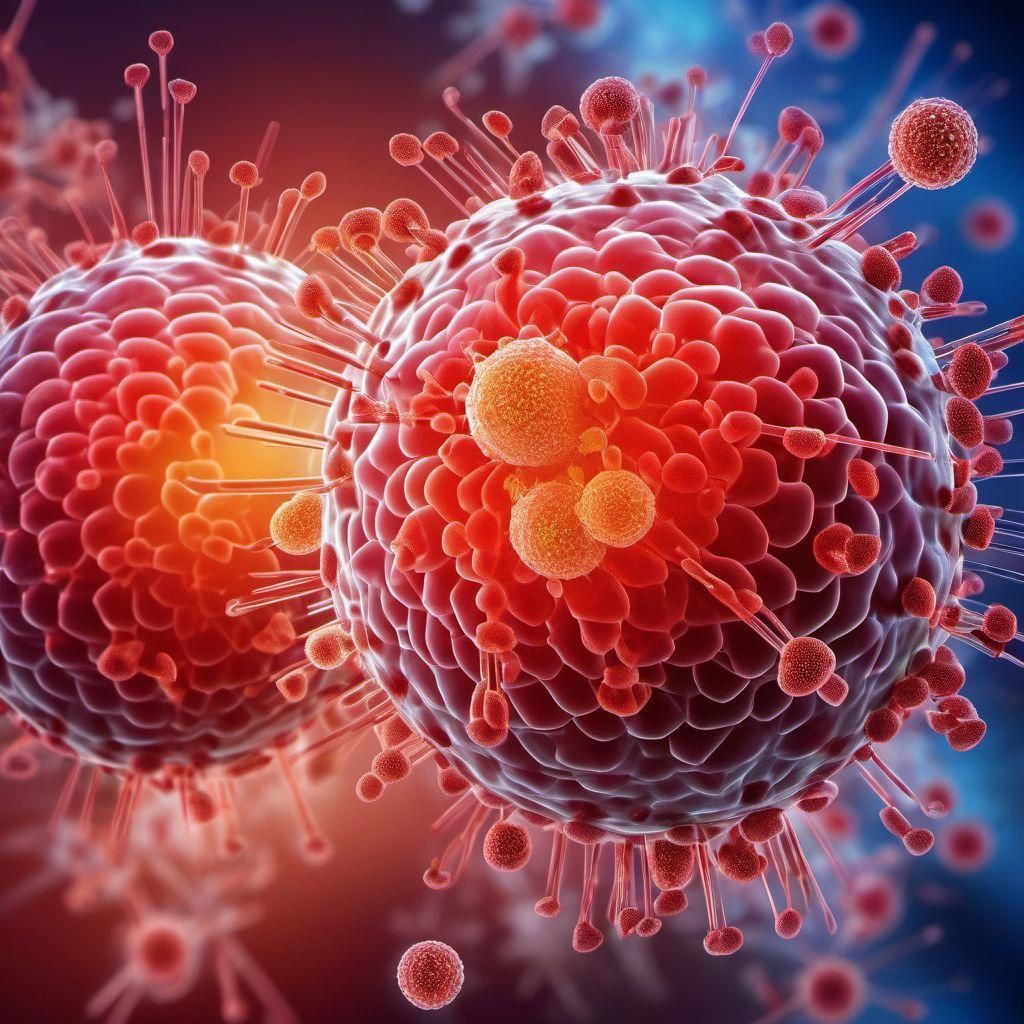

 is a topic that often sparks curiosity and concern. It's more common than many realize, affecting millions worldwide)
The Herpes Simplex Virus (HSV) is a topic that often sparks curiosity and concern. It’s more common than many realize, affecting millions worldwide. Yet, misconceptions surround it, leading to stigma and fear. Understanding HSV is crucial for dispelling myths and promoting awareness.
Whether you’ve just been diagnosed or are simply looking to educate yourself about this virus, it’s important to know the facts. From its various types to how it spreads and can be managed, knowledge is your best defense against misinformation. Join us as we explore everything you need to know about the herpes simplex virus – from symptoms and transmission methods to prevention strategies and coping mechanisms. Let’s dive into this essential information together!
Types of Herpes and Their Symptoms
Herpes is primarily categorized into two types: HSV-1 and HSV-2.
HSV-1 typically causes oral herpes, leading to cold sores or fever blisters around the mouth. Many individuals may experience tingling sensations before an outbreak.
On the other hand, HSV-2 is commonly associated with genital herpes. Symptoms include painful sores in the genital area and discomfort during urination. Some people might not show symptoms at all, which can make detection challenging.
Both types can be transmitted even when no visible symptoms are present, highlighting the importance of testing and awareness. Understanding these variations helps in recognizing outbreaks early and seeking appropriate care when needed.
How Does the Virus Spread?
The herpes simplex virus (HSV) primarily spreads through direct contact. This includes skin-to-skin interactions with an infected area, even if no visible sores are present.
Oral sex can transmit HSV-1, which usually causes cold sores. Meanwhile, genital herpes often comes from HSV-2 during sexual encounters. It’s important to note that the virus can still spread when symptoms aren’t visible.
Sharing items like lip balm or utensils may also facilitate transmission of the virus. Kissing someone with active lesions increases risk significantly as well.
People should be cautious about intimate relationships and consider open discussions regarding their health status. Using barriers such as condoms can reduce but not eliminate the risk of spreading herpes, given that it can occur in areas not covered by protection.
Prevention and Treatment Methods
Preventing herpes simplex virus (HSV) requires a proactive approach. Practicing safe sex is crucial. Using condoms can significantly reduce the risk of transmission but doesn’t eliminate it completely, as the virus may still be present in areas not covered by protection.
Regular communication with partners about sexual health is essential. Being open and honest fosters trust while promoting informed decisions.
For those diagnosed, antiviral medications like acyclovir can help manage outbreaks. These treatments work effectively to lessen symptoms and decrease the likelihood of spreading the virus to others.
Lifestyle changes also play a role in management. Eating a balanced diet, reducing stress levels, and getting enough sleep can strengthen your immune system, making it easier for your body to combat flare-ups.
While there’s no cure for HSV yet, exploring these prevention and treatment options empowers individuals to lead healthy lives amidst their diagnosis.
Myths vs Facts about Herpes
Herpes is often surrounded by misconceptions. One common myth is that only promiscuous individuals can contract the virus. In reality, herpes can affect anyone, regardless of their sexual history.
Another misconception suggests that herpes always shows obvious symptoms. Many people carry the virus without any visible signs, making it easy to spread unknowingly.
Some believe that you can catch herpes from toilet seats or casual contact. The truth is, HSV requires skin-to-skin contact for transmission, making such scenarios extremely unlikely.
A prevalent fear is that having herpes means a lifetime of isolation and shame. With proper education and treatment options available today, many lead fulfilling lives while managing the virus responsibly.
There’s a notion that once infected with herpes, you will experience severe outbreaks forever. While some may have frequent recurrences initially, many find they become less frequent over time as the body adapts to the virus.
Coping with a Diagnosis
Receiving a diagnosis of the herpes simplex virus can be overwhelming. It’s common to feel a mix of emotions, from shock to anxiety. Acknowledging these feelings is the first step toward coping effectively.
Connecting with others who understand your experience can provide support. Online forums and local support groups are excellent resources for sharing stories and advice.
Educating yourself about HSV helps demystify the condition. Knowledge empowers you to manage symptoms and communicate openly with partners.
Consider speaking with a counselor or therapist if you’re struggling emotionally. Professional guidance can help navigate complex feelings associated with your diagnosis.
Prioritize self-care during this time. Engage in activities that bring you joy, practice mindfulness, or explore new hobbies to maintain balance in your life while managing herpes simplex virus challenges.
Conclusion
Understanding the Herpes Simplex Virus is essential for managing health and relationships. This virus affects millions worldwide, yet there are still many misconceptions surrounding it. By familiarizing yourself with the types of herpes, their symptoms, and how they spread, you can take proactive steps to protect yourself.
Prevention is key. Practicing safe sex and maintaining good hygiene can significantly reduce your risk of infection. Additionally, knowing the facts versus myths about herpes helps combat stigma and fosters a supportive environment for those affected.
If you or someone close to you receives a diagnosis, remember that this doesn’t define who you are. There are effective treatments available that help manage outbreaks and improve quality of life.
Whether you’re seeking information for personal knowledge or supporting someone else, understanding the nuances of HSV contributes to better awareness and a more informed conversation around sexual health. Embracing openness about herpes allows individuals to navigate their experiences without fear while promoting education on this common virus.