
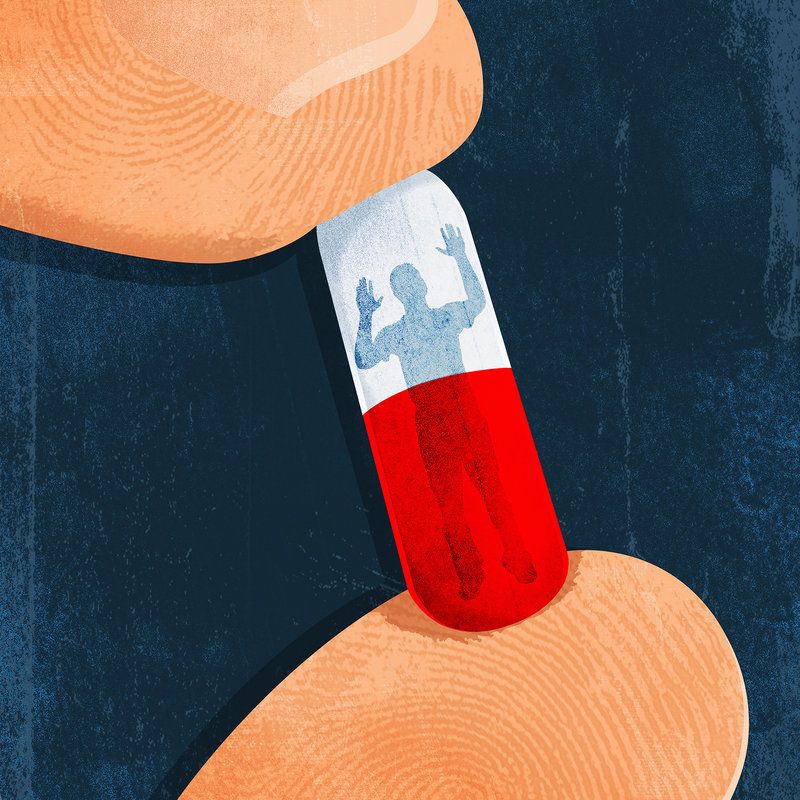


AIDS, a term that resonates with many but remains shrouded in mystery for others. This disease has profoundly impacted lives since it emerged in the late 20th century. With millions affected worldwide, understanding AIDS is crucial not only for those living with the virus but also for society as a whole.
From its historical roots to modern treatments and coping strategies, there’s much to explore about this complex condition. Let’s dive deeper into what AIDS really means and how we can better understand its implications on health and well-being.
The History and Origin of AIDS
AIDS, or Acquired Immunodeficiency Syndrome, emerged in the late 20th century. The disease is caused by HIV, a virus that attacks the immune system.
The origins of HIV can be traced back to non-human primates in central Africa. It’s believed that humans contracted the virus through hunting and consumption of bushmeat. This cross-species transmission likely occurred in the early 20th century.
The first recognized cases of AIDS appeared in Los Angeles and New York City around 1981. Initially affecting predominantly gay men, it soon expanded its reach across various demographics and communities.
Public awareness surged as more individuals began to show symptoms related to this new illness. Research efforts intensified rapidly amid growing fear and stigma surrounding both AIDS and its primary cause, HIV.
Causes and Transmission of HIV
HIV, or Human Immunodeficiency Virus, primarily spreads through certain body fluids. These include blood, semen, vaginal fluids, rectal fluids, and breast milk. Understanding these transmission routes is essential for prevention.
Unprotected sexual contact remains the most common mode of transmission. This can happen during vaginal or anal intercourse when one partner has HIV. Sharing needles or syringes also poses a significant risk.
Mother-to-child transmission can occur during childbirth or breastfeeding if the mother is infected without proper treatment.
Less commonly, HIV can spread through exposure to contaminated blood products or organ transplants from an infected donor.
Awareness of these pathways helps in combating stigma and promotes safer practices in communities affected by HIV/AIDS. Knowledge truly is power in this context—understanding how HIV spreads aids in preventing new infections.
Symptoms and Stages of AIDS
AIDS, or Acquired Immunodeficiency Syndrome, manifests through various symptoms that progress over time. Initially, individuals may experience flu-like signs during the acute phase of HIV infection. These can include fever, fatigue, and swollen lymph nodes.
As the disease advances to the chronic stage, symptoms might become less apparent. This phase can last for several years but does not mean the virus is dormant. The immune system continues to weaken silently.
Eventually, without treatment, AIDS develops when the CD4 cell count drops significantly or opportunistic infections arise. Symptoms at this stage are more severe and varied: weight loss, persistent coughs, night sweats, and prolonged fatigue often emerge.
Recognizing these stages is vital for early intervention. Each person’s journey with AIDS can differ greatly based on their overall health and access to medical care.
Diagnosis and Treatment Options
Diagnosing AIDS involves a series of tests that detect the presence of HIV in the body. Healthcare providers typically use blood tests to measure viral load and CD4 cell counts. These results help determine how advanced the infection is.
Once diagnosed, treatment options primarily focus on antiretroviral therapy (ART). This combination of medications helps control the virus, allowing individuals to lead healthier lives. ART suppresses viral replication, which can prevent further immune system damage.
Regular monitoring plays an essential role in managing HIV/AIDS. Patients should have routine check-ups to assess their health status and adjust treatments as necessary.
Supportive care can also be vital for those living with AIDS. Nutritional guidance, mental health support, and counseling services contribute significantly to overall well-being while navigating life with this condition.
Living with AIDS: Coping Strategies
Living with AIDS can feel overwhelming at times. Developing a strong support system is crucial. Surround yourself with friends, family, or support groups who understand your journey.
Managing stress through mindfulness practices like meditation and yoga can be beneficial. These techniques help calm the mind and promote emotional well-being.
Open communication with healthcare providers ensures you receive proper care. Regular check-ups keep track of your health status and treatment effectiveness.
Educating yourself about HIV/AIDS empowers you to make informed decisions. Knowledge reduces fear and stigma associated with the disease.
Maintaining a healthy lifestyle plays an essential role too. Balanced nutrition, regular exercise, and sufficient sleep strengthen your immune system.
Consider joining community resources tailored for those living with AIDS. Workshops and activities provide both information and connection to others facing similar challenges.
Myths and Misconceptions about AIDS
Many myths surround AIDS, leading to fear and misunderstanding. One common misconception is that AIDS can be transmitted through casual contact, like hugging or sharing utensils. This isn’t true; HIV is primarily spread through specific body fluids.
Another myth suggests that only certain groups are at risk for HIV/AIDS. In reality, anyone can contract the virus regardless of age, gender, or sexual orientation. Awareness plays a crucial role in prevention.
Some people believe that a positive diagnosis means imminent death. With advancements in treatment, many individuals with HIV lead long and healthy lives. Proper medical care allows them to manage their health effectively.
Additionally, some think that once you start treatment for HIV, you will always need medication. While lifelong management may be necessary for some patients, others achieve viral suppression and maintain their health without constant worry about the virus’s progression.
Dispelling these misconceptions fosters understanding and promotes empathy towards those living with the condition.
How to Protect Yourself from HIV Infection
Protecting yourself from HIV infection is essential for your health. Awareness and proactive measures can significantly reduce the risk.
Using condoms consistently during sexual activity is one of the most effective ways to prevent transmission. They act as a barrier, minimizing exposure to bodily fluids.
Regular testing for HIV is crucial, especially if you have multiple partners or engage in high-risk behaviors. Knowing your status helps you make informed decisions about your health and relationships.
Consider pre-exposure prophylaxis (PrEP) if you’re at higher risk. This medication can dramatically lower the chances of contracting HIV when taken consistently.
Additionally, limit alcohol and drug use. These substances can impair judgment, leading to risky behaviors that increase vulnerability to infection.
Educate yourself on HIV and its transmission methods. The more knowledgeable you are, the better equipped you’ll be to protect yourself effectively.
Conclusion
AIDS, or Acquired Immunodeficiency Syndrome, remains a significant public health issue worldwide. Understanding its complexities helps in reducing stigma and promoting awareness. The journey from the initial discovery of AIDS to present-day treatment options highlights both the struggles and advancements made in combating this disease.
With knowledge about how HIV is transmitted, individuals can take proactive steps to protect themselves. Recognizing symptoms early leads to timely diagnosis and better management of the condition. Living with AIDS requires resilience and support; coping strategies can significantly enhance quality of life.
Dispelling myths surrounding AIDS is essential for fostering an informed society that supports those affected by it. Education on protection methods empowers individuals, making it possible to lower infection rates.
Awareness, education, and compassion are vital as we continue to navigate the challenges posed by AIDS today. Each person’s contribution towards understanding this disease brings us one step closer to a healthier future for all.