
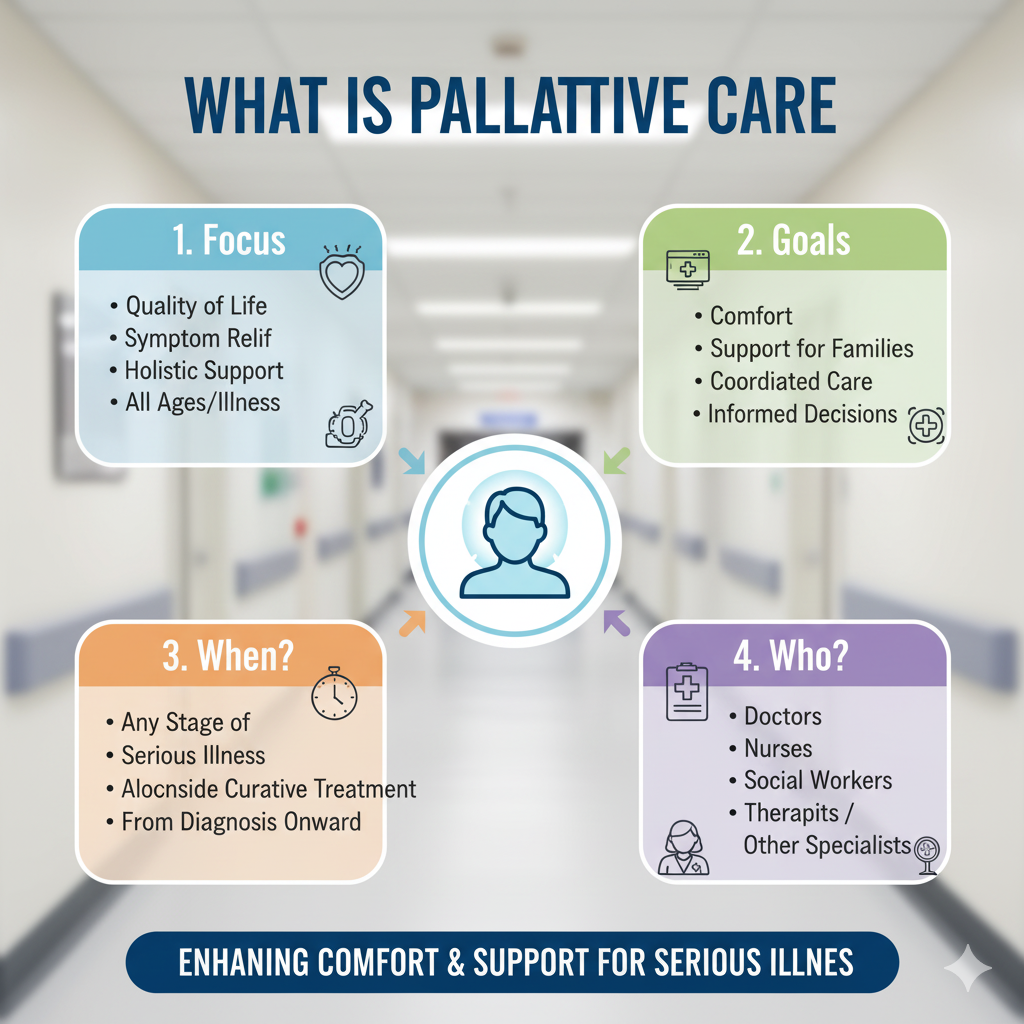


In a world where medical advancements often steal the spotlight, there’s a quieter yet equally vital aspect of healthcare: palliative care. It’s not just about managing symptoms; it’s about enhancing quality of life during challenging times. Whether facing chronic illness or navigating complex health issues, many individuals and families are unaware of the support available through this compassionate approach to treatment. Understanding what palliative care truly encompasses can be enlightening and reassuring for those in need. Let’s explore this essential service that prioritizes comfort, dignity, and holistic well-being.
Defining Palliative Care
Palliative care is a specialized medical approach focused on providing relief from symptoms and stress related to serious illnesses. It prioritizes the emotional, physical, and spiritual needs of patients.
Unlike curative treatment that aims to eradicate disease, palliative care addresses the whole person. This means understanding their fears, goals, and preferences while navigating health challenges.
This type of care can be provided alongside other treatments at any stage of illness. It’s not limited to end-of-life scenarios; rather, it enhances quality of life for individuals facing various conditions such as cancer, heart disease, or neurological disorders.
A team of healthcare professionals collaborates closely with patients and families in this supportive environment. They strive to ensure comfort while fostering open communication about treatment options and desired outcomes. The focus remains steadfastly on improving life experiences during difficult times.
The Difference Between Palliative Care and Hospice Care
Palliative care and hospice care often get confused. Both focus on comfort, but they serve different purposes.
Palliative care is available at any stage of a serious illness. It can be provided alongside curative treatments. Patients receive support for pain management and emotional well-being while still pursuing recovery options.
Hospice care, on the other hand, is specifically for those nearing the end of life. It emphasizes comfort when curative treatment is no longer an option. The goal here shifts from healing to providing dignity in one’s final days.
The teams involved also differ slightly. Palliative teams may include various specialists who work with patients throughout their illness journey, whereas hospice teams concentrate on delivering compassionate end-of-life care.
Understanding these differences helps individuals make informed choices about their health journey and ensures that they receive appropriate support according to their needs.
Who Can Benefit from Palliative Care?
Palliative care is designed for individuals facing serious illnesses. It’s not limited to end-of-life scenarios; anyone dealing with chronic conditions can find relief and support.
Patients battling cancer, heart disease, or respiratory issues often experience significant discomfort. Palliative care addresses these challenges directly by focusing on symptom management.
Not just patients benefit—families do too. Caregivers frequently face emotional and physical strain as they support their loved ones. Accessing palliative services helps alleviate that burden.
Even those undergoing curative treatments can gain from this approach. Coordinated care ensures that patients receive comprehensive support alongside medical interventions, enhancing overall well-being.
It’s about improving quality of life at any stage of illness. Everyone deserves comfort and dignity during challenging times, making palliative care a vital resource for many.
The Role of the Palliative Care Team
The palliative care team is a diverse group of professionals dedicated to enhancing the quality of life for patients facing serious illnesses. This interdisciplinary team typically includes doctors, nurses, social workers, and chaplains who collaborate closely.
Each member brings unique expertise to address both physical and emotional needs. Physicians focus on managing symptoms like pain or nausea while ensuring proper medical treatment. Nurses are there for daily health management and providing comfort during challenging times.
Social workers play a crucial role in helping families navigate complex decisions and access resources. Their support can ease stress significantly. Chaplains offer spiritual guidance tailored to individual beliefs, fostering hope and peace.
Together, this collaborative effort creates a comprehensive care plan that prioritizes patient comfort above all else. The team’s holistic approach ensures that every aspect of a patient’s experience is considered—physically, emotionally, socially, and spiritually.
Common Misconceptions about Palliative Care
Many people confuse palliative care with end-of-life care. This is a common misconception. Palliative care can begin at diagnosis and continue alongside curative treatments.
Another myth is that it’s only for cancer patients. In reality, anyone facing serious illness—like heart disease or chronic respiratory issues—can benefit from palliative support.
Some also believe that seeking palliative care means giving up hope. However, it actually focuses on improving quality of life and alleviating distress while pursuing treatment options.
People often think palliative care is only available in hospitals. It can be provided in various settings, including homes and outpatient clinics.
There’s an assumption that palliative services are too expensive or not covered by insurance. Many plans do cover these essential services, making them more accessible than most realize.
How to Access and Pay for Palliative Care Services
Accessing palliative care services can begin with a simple conversation with your healthcare provider. They can guide you on the best options available based on your diagnosis and needs.
Many hospitals and clinics have dedicated palliative care teams. These specialized professionals focus on providing relief from symptoms and improving quality of life. Ask about referrals to such programs.
When it comes to payment, insurance coverage varies widely. Most plans cover palliative care, particularly when it’s part of treatment for serious illnesses. It helps to check your policy details or talk directly with your insurance representative.
For those without insurance, community organizations often provide resources or financial assistance specifically for palliative care services. Some non-profits also offer grants that can help alleviate costs associated with this vital support system.
Conclusion: The Importance of Considering Palliative Care for Quality of Life and Comfort During Illness
Considering palliative care can significantly enhance the quality of life for individuals facing serious illnesses. It focuses on providing relief from symptoms and stress, ensuring that patients receive comprehensive support tailored to their unique needs. This approach not only addresses physical pain but also emotional and psychological challenges.
Palliative care is about improving comfort—allowing patients to engage more fully with their lives, regardless of diagnosis. Families benefit too; they gain access to resources, support systems, and guidance in navigating difficult conversations about treatment choices.
Whether you or a loved one are dealing with a chronic condition, cancer diagnosis, or any serious health issue, exploring palliative care options can offer peace of mind. It’s an integral part of healthcare that prioritizes well-being at every stage of illness. Embracing this holistic approach ensures dignity and compassion during challenging times.