
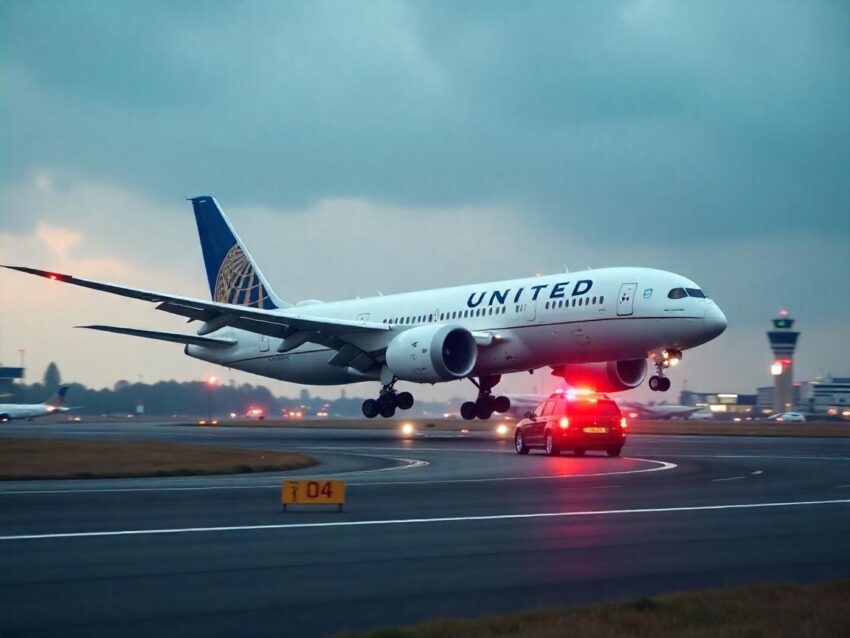


On a typical day, air travel is often filled with excitement and anticipation. Passengers look forward to reaching their destinations, whether for business or leisure. However, sometimes the unexpected happens. United Airlines Flight UA770 recently made headlines when it was forced into an emergency diversion mid-flight. This incident raised numerous questions about safety protocols and passenger experiences during crises. As we delve into the events surrounding this flight, we’ll explore what led to the emergency situation and how both passengers and airlines responded in real-time. Buckle up as we take you through this gripping tale of aviation drama!
What led to the emergency diversion?
On a routine flight from San Francisco to New York, United Airlines Flight UA770 faced an unexpected turn of events. Shortly after takeoff, the crew detected a technical issue with one of the aircraft’s engines.
The cockpit alarms indicated potential mechanical failure, prompting immediate action by the flight crew. Safety protocols kicked in as they evaluated their options.
In such critical situations, ensuring passenger safety is the top priority. The pilots quickly decided that returning to San Francisco was necessary for a safer landing rather than continuing toward their destination.
As news spread among passengers, anxiety mixed with concern. Many were left wondering about the nature of the issue and its implications for their journey ahead.
Passengers’ experience during the diversion
As United Airlines Flight UA770 made its emergency diversion, the atmosphere on board shifted dramatically. Initially, passengers were unaware of the gravity of the situation. The cabin crew worked diligently to maintain calm.
However, as information trickled in about potential issues with the aircraft, anxiety began to ripple through the aisles. Passengers exchanged worried glances and whispered conversations filled with uncertainty.
Some took out their phones for quick updates while others clutched their armrests tightly. Parents comforted children who sensed something was amiss, offering reassuring words amidst their own concerns.
When the plane finally touched down safely at an alternate airport, relief washed over many faces. Strangers became allies in shared experience, bonding over what could have been a terrifying ordeal transformed into a tale to tell.
Response from United Airlines
United Airlines acted swiftly following the emergency diversion of Flight UA770. The airline’s communication team was quick to provide updates, ensuring that passengers and their families had access to real-time information.
They issued a statement acknowledging the incident and emphasizing passenger safety as their top priority. United expressed gratitude towards the crew for managing the situation effectively under pressure.
In addition, they reached out directly to affected travelers, offering support and assistance with rebooking flights or providing accommodations. This personalized approach helped ease some anxiety among those impacted by the unexpected detour.
Social media channels were actively monitored, allowing United Airlines to address concerns in a timely manner. Their proactive stance aimed at maintaining transparency showed commitment not only during emergencies but also in fostering trust with future travelers.
Safety measures for emergency diversions
Emergency diversions are critical moments for airlines, requiring immediate and effective safety measures. First and foremost, pilots undergo rigorous training to handle such situations. They practice various scenarios in simulators to ensure they can react swiftly under pressure.
Aircraft are equipped with advanced navigation systems that assist pilots in identifying the nearest airports during an emergency. This technology enables quick decision-making, minimizing risks for passengers and crew alike.
Communication plays a vital role as well. Flight attendants are trained to keep passengers informed throughout the diversion process, helping manage anxiety levels.
Additionally, airlines conduct regular drills and simulations to assess their response protocols. These assessments help identify areas for improvement, ensuring a safer experience when emergencies arise.
Passengers’ safety remains paramount; therefore, every measure is taken seriously by both flight crews and airline management.
Impact on future flights and passengers’ trust in the airline
The emergency diversion of United Airlines Flight UA770 undoubtedly raises concerns among frequent flyers. Passengers are left questioning the reliability and safety protocols of the airline. Such incidents can shake consumer confidence, leading to a reevaluation of travel plans.
Trust is paramount in the aviation industry. When passengers feel uncertain about their safety, they may seek alternatives for future flights. This could affect not only United Airlines but also its competitors as travelers weigh options based on perceived risks.
United’s response to this incident will play a crucial role in rebuilding trust. Transparent communication and swift action can help reassure anxious customers. Offering additional support or compensation might further soften the blow.
Long-term impacts may see increased scrutiny on operational procedures across all airlines, influencing how companies approach emergency situations moving forward. Enhanced training and updated safety measures could emerge as standard responses to restore faith among travelers.
Conclusion
The incident involving United Airlines Flight UA770 serves as a reminder of the unpredictability of air travel. While emergencies can be unsettling, they also highlight the resilience and professionalism of airline staff and emergency responders. Passengers on this flight experienced a mix of anxiety and relief, demonstrating both human vulnerability and strength in times of crisis.
United Airlines’ prompt response to the situation reflects their commitment to passenger safety, reassuring travelers that measures are in place for such scenarios. The experience may have left some passengers rattled, but it also reinforces trust in an airline’s ability to handle emergencies effectively.
For future flights, understanding how airlines manage diversions is crucial for all travelers. Awareness builds confidence when facing unexpected situations. Incidents like these foster dialogue about safety protocols and improvements within the aviation industry.
As we look forward to traveling again, it’s essential to remember that unforeseen events can happen anywhere at any time. Staying informed helps us navigate our journeys with greater peace of mind.