
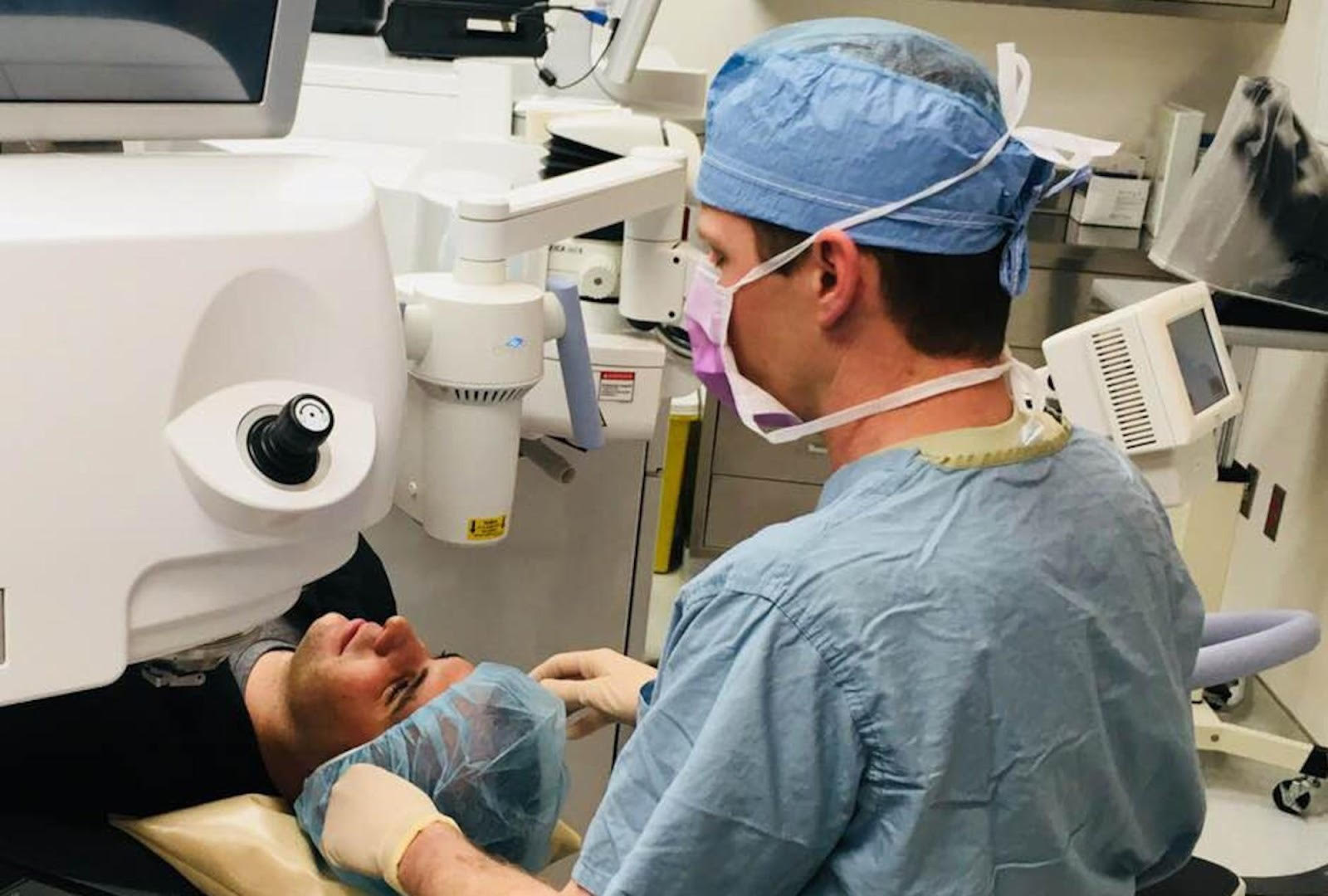


Vision is one of the most relied-upon senses in everyday life, yet it’s often taken for granted until something begins to change. Whether it’s subtle blurriness, increased sensitivity to light, or difficulty focusing, these shifts can signal deeper issues that deserve attention. Advances in ophthalmology have made it possible to diagnose and treat eye conditions with remarkable accuracy, offering solutions that were once considered out of reach.
Modern eye care is no longer limited to corrective lenses or basic checkups. It now encompasses a spectrum of preventive strategies, diagnostic technologies, and surgical interventions designed to preserve and restore vision. Understanding how these elements work together can help individuals make informed decisions about their eye health and long-term well-being.
The Evolution of Eye Care Technology
Over the past few decades, eye care has undergone a quiet but profound transformation. Traditional tools have been replaced or enhanced by digital imaging systems, laser diagnostics, and AI-assisted screening methods. These advancements allow specialists to detect conditions such as glaucoma, macular degeneration, and diabetic retinopathy much earlier than before.
Early detection plays a critical role in preventing irreversible damage. For example, retinal imaging can reveal microscopic changes in blood vessels, often before symptoms appear. This proactive approach shifts eye care from reactive treatment to preventive management, ultimately improving patient outcomes.
Precision Diagnostics and Personalized Care
Modern diagnostics are not only more accurate but also more personalized. Eye specialists can now tailor treatment plans based on individual risk factors, lifestyle habits, and genetic predispositions. This level of customization ensures that patients receive care that aligns with their specific needs rather than a one-size-fits-all solution.
In many cases, this means combining lifestyle adjustments with medical or surgical interventions. For instance, patients with early-stage cataracts might delay surgery through careful monitoring and visual aids, while others may benefit from immediate corrective procedures.
When Surgery Becomes the Best Option
While many eye conditions can be managed conservatively, there are situations where surgery offers the most effective path forward. Procedures such as LASIK, cataract removal, and retinal repair have become increasingly safe and precise, thanks to technological innovation and refined surgical techniques.
What sets modern eye surgery apart is its minimally invasive nature. Many procedures are completed within minutes and require only local anesthesia, allowing patients to return home the same day. Recovery times have also improved significantly, with many individuals noticing better vision within hours or days.
For those exploring surgical options, resources like Eye Surgery Today provide valuable insights into the latest procedures, helping patients understand what to expect and how to prepare. Access to reliable information can make a significant difference in reducing anxiety and building confidence in the decision-making process.
Balancing Risks and Benefits
Every surgical procedure carries some level of risk, but modern techniques have minimized complications to a remarkable degree. Surgeons now rely on computer-guided systems and real-time imaging to enhance precision, reducing the likelihood of errors and improving overall success rates.
Patients are encouraged to have detailed discussions with their specialists to weigh the potential benefits against any risks. Factors such as age, medical history, and lifestyle should all be considered when deciding whether surgery is the right choice.
Vision Health as a Long-Term Investment
Maintaining healthy vision is not just about addressing immediate concerns—it’s about protecting a vital asset over time. The eyes are closely connected to overall health, often reflecting underlying conditions such as hypertension, diabetes, and neurological disorders.
This connection highlights the importance of regular eye examinations, even for individuals who believe their vision is stable. Routine checkups can uncover hidden issues and provide an opportunity for early intervention, which is often more effective and less invasive than treating advanced conditions.
Understanding the broader value of health can also shift how people approach eye care. A thoughtful perspective on wellness, like the one explored in why health is the most valuable asset in life, reinforces the idea that preventive care is not an expense but an investment in quality of life.
Lifestyle Choices That Support Eye Health
Daily habits play a significant role in maintaining good vision. Proper nutrition, adequate hydration, and regular breaks from digital screens can all contribute to healthier eyes. Foods rich in vitamins A, C, and E, along with omega-3 fatty acids, support retinal function and reduce the risk of degenerative conditions.
Additionally, protecting the eyes from UV exposure and minimizing strain during prolonged screen use can help preserve visual acuity. These simple yet effective practices complement medical care and contribute to long-term eye health.
The Role of Clinical Research in Advancing Eye Care
Ongoing research continues to shape the future of ophthalmology. From gene therapies to regenerative treatments, scientists are exploring innovative ways to address conditions that were once considered untreatable. Clinical studies provide the foundation for these breakthroughs, ensuring that new treatments are both safe and effective.
For those interested in the scientific underpinnings of eye conditions and treatments, resources such as the clinical overview of ophthalmologic disorders offer detailed insights into how various diseases develop and how they are managed. Access to this level of information helps bridge the gap between patients and practitioners, fostering a more informed healthcare experience.
Emerging Trends in Eye Surgery
The future of eye surgery is likely to be defined by even greater precision and personalization. Technologies such as femtosecond lasers and robotic-assisted procedures are already pushing the boundaries of what’s possible. These innovations not only improve surgical outcomes but also expand the range of conditions that can be treated effectively.
As research continues to evolve, patients can expect more options, shorter recovery times, and improved visual results. Staying informed about these developments ensures that individuals are prepared to take advantage of new opportunities as they arise.
Conclusion
Modern eye care represents a powerful blend of technology, expertise, and preventive strategy. From early diagnostics to advanced surgical solutions, the field has made significant strides in preserving and restoring vision. Understanding these advancements allows individuals to take a more active role in their eye health, making decisions that align with both immediate needs and long-term goals.
By viewing vision care as an integral part of overall wellness, it becomes easier to prioritize regular checkups, adopt healthier habits, and seek timely treatment when necessary. In doing so, individuals not only protect their sight but also enhance their overall quality of life in meaningful and lasting ways.