
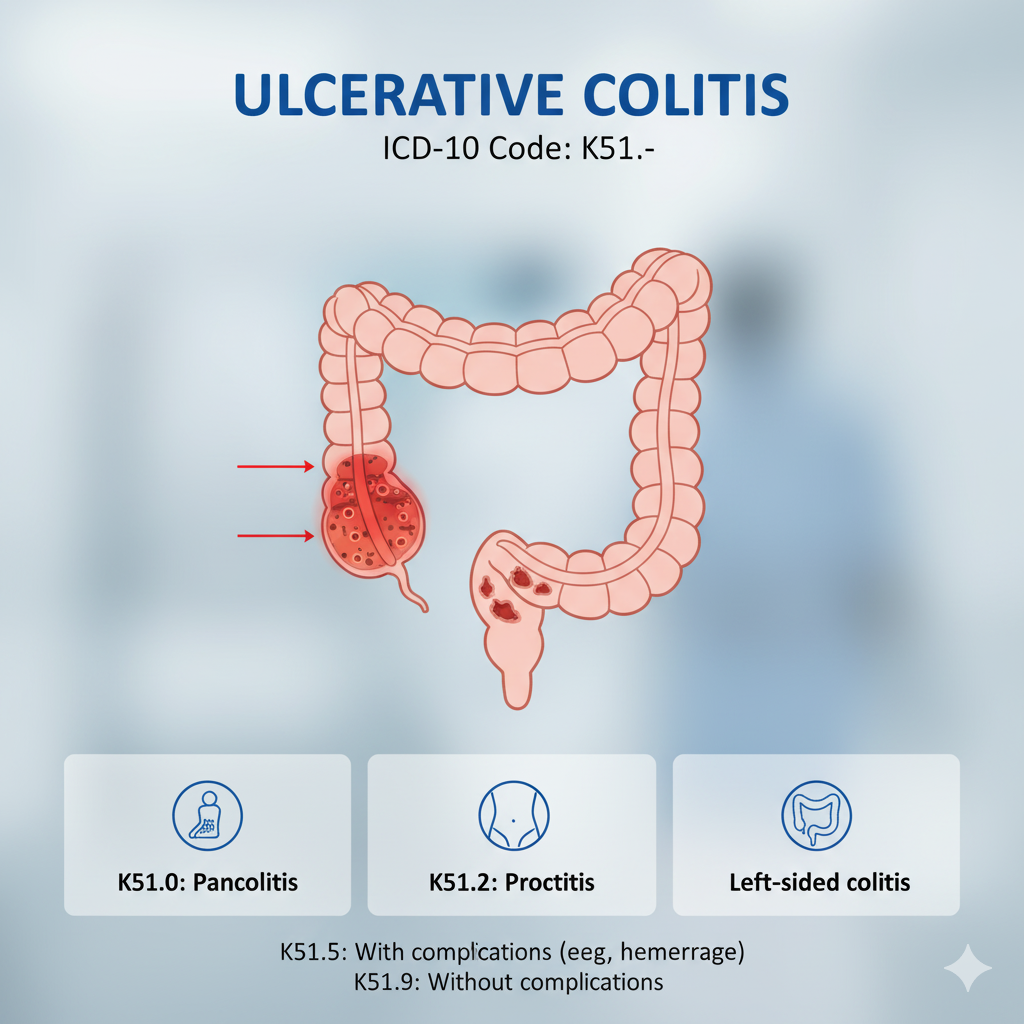


Ulcerative colitis is more than just a medical term; it’s a condition that affects many people’s lives. Understanding it can be daunting, especially when you dive into the complexities of coding and billing in healthcare. For those navigating the world of ICD-10 codes, knowing how to accurately code for ulcerative colitis is crucial—not only for proper diagnosis but also for ensuring patients receive the care they need. Whether you’re a healthcare professional or someone seeking clarity on this condition, diving into the details of ulcerative colitis and its corresponding ICD-10 codes will empower you with important knowledge. Let’s unravel this together!
What is Ulcerative Colitis?
Ulcerative colitis is a chronic inflammatory bowel disease that primarily affects the colon. This condition leads to inflammation and ulceration of the intestinal lining, causing various symptoms.
Patients often experience abdominal pain, diarrhea, and rectal bleeding. The discomfort can range from mild to severe, affecting daily activities significantly.
The exact cause remains unclear but is thought to involve a mix of genetic factors and immune system responses. Stress or certain foods may exacerbate symptoms for some individuals.
Diagnosis typically involves endoscopic procedures along with imaging tests to assess the extent of inflammation. Treatment options vary widely—from medications aimed at reducing inflammation to dietary changes designed for symptom management.
Understanding ulcerative colitis is essential not just for those affected but also for healthcare providers who aim to deliver effective care tailored to individual needs.
Understanding ICD-10 Codes
ICD-10 codes are crucial for accurately diagnosing and documenting health conditions. These alphanumeric codes provide a standardized way to categorize diseases, injuries, and other health-related issues.
Developed by the World Health Organization, ICD-10 is used globally. It helps healthcare professionals communicate effectively about patient diagnoses without confusion.
Each code corresponds to specific symptoms or conditions. For example, ulcerative colitis has designated codes that reflect its severity and location within the colon.
Understanding these codes enhances billing processes too. Accurate coding ensures proper reimbursement from insurance providers while also maintaining compliance with regulations.
Healthcare providers must stay updated on any changes in coding guidelines to ensure accuracy in their documentation efforts. This attention to detail fosters better patient care outcomes and facilitates efficient record-keeping practices across the medical field.
Common ICD-10 Codes for Ulcerative Colitis
Ulcerative colitis is categorized under specific ICD-10 codes that help healthcare providers accurately document and code this condition. The most commonly used codes include K51.0 for ulcerative colitis involving the rectum, K51.1 for left-sided colitis, and K51.2 for total colitis.
Each of these codes provides detailed information about the extent and location of inflammation in the gastrointestinal tract. This makes it easier to tailor treatment plans effectively.
Additional variations exist, such as K51.3 for other types of ulcerative colitis or complications like hemorrhage coded with K51.9 when unspecified symptoms arise.
Accurate coding not only aids in proper clinical management but also plays a vital role in insurance reimbursement processes, making familiarity with these codes essential for healthcare professionals managing patients with ulcerative colitis.
How to Properly Code for Ulcerative Colitis
When coding for ulcerative colitis, precision is essential. Start by gathering the patient’s medical history and documentation. This ensures you have all relevant details.
Identify specific symptoms reported by the patient. Is it mild, moderate, or severe? The severity impacts which ICD-10 code you use.
Next, consider any complications that might arise from the condition—these can influence your coding choice significantly. Document these thoroughly to support your selections.
Always refer to the latest ICD-10 guidelines to avoid outdated codes. Each year may bring updates that could affect how you categorize this disease.
Double-check entries for accuracy before submission. A small mistake can lead to significant issues with insurance claims and reimbursement processes down the line.
Tips for Accurate Coding and Documentation
Accurate coding and documentation are crucial in managing ulcerative colitis. Start by ensuring that patient records are complete. This includes comprehensive medical histories, treatment plans, and diagnostic tests.
Use the most specific ICD-10 codes available for ulcerative colitis. The correct code reflects the severity and location of the disease, which can impact treatment decisions significantly.
Regular training on coding updates is essential for healthcare providers. Familiarity with changes in guidelines will enhance accuracy in billing processes.
Encourage clear communication among healthcare team members regarding patient conditions. This helps mitigate errors related to misinterpretation or lack of information.
Consider implementing an auditing process for your coding practices. Regular audits help identify trends or issues that may need addressing while reinforcing a culture of accuracy within your practice.
Potential Reimbursement Implications
Proper coding for ulcerative colitis is crucial for reimbursement purposes. Insurers require accurate ICD-10 codes to process claims efficiently.
Incorrect coding can lead to claim denials or delays, impacting healthcare providers’ revenue cycles. Understanding the nuances of each code ensures that physicians are compensated fairly for their services.
Additionally, payers often scrutinize documentation tied to these codes. Comprehensive and precise records not only support the diagnosis but also help in justifying treatment plans.
Familiarity with specific insurance policies regarding ulcerative colitis can further streamline the reimbursement process. Some insurers may have unique guidelines that could affect payments.
By staying updated on changes in billing practices and coverage criteria, healthcare professionals can mitigate financial risks associated with miscoding. This proactive approach fosters smoother interactions between providers and payers, ultimately benefiting patient care.
Conclusion
Ulcerative colitis is a serious condition that requires proper understanding and management. Knowing the ICD-10 codes relevant to ulcerative colitis can significantly enhance documentation accuracy and ensure appropriate reimbursement for healthcare providers.
By familiarizing yourself with common codes, you can navigate the complexities of insurance claims more efficiently. Accurate coding not only helps in tracking disease prevalence but also aids in treatment planning.
Maintaining detailed records will support your coding efforts and help avoid potential pitfalls during reimbursement processes. It’s crucial to stay updated on any changes in coding guidelines as they may impact patient care and financial aspects alike.
Navigating ulcerative colitis through accurate ICD-10 coding can lead to better patient outcomes while simplifying administrative tasks for medical professionals. Emphasizing precision in every aspect of documentation fosters a smoother healthcare experience for everyone involved.