
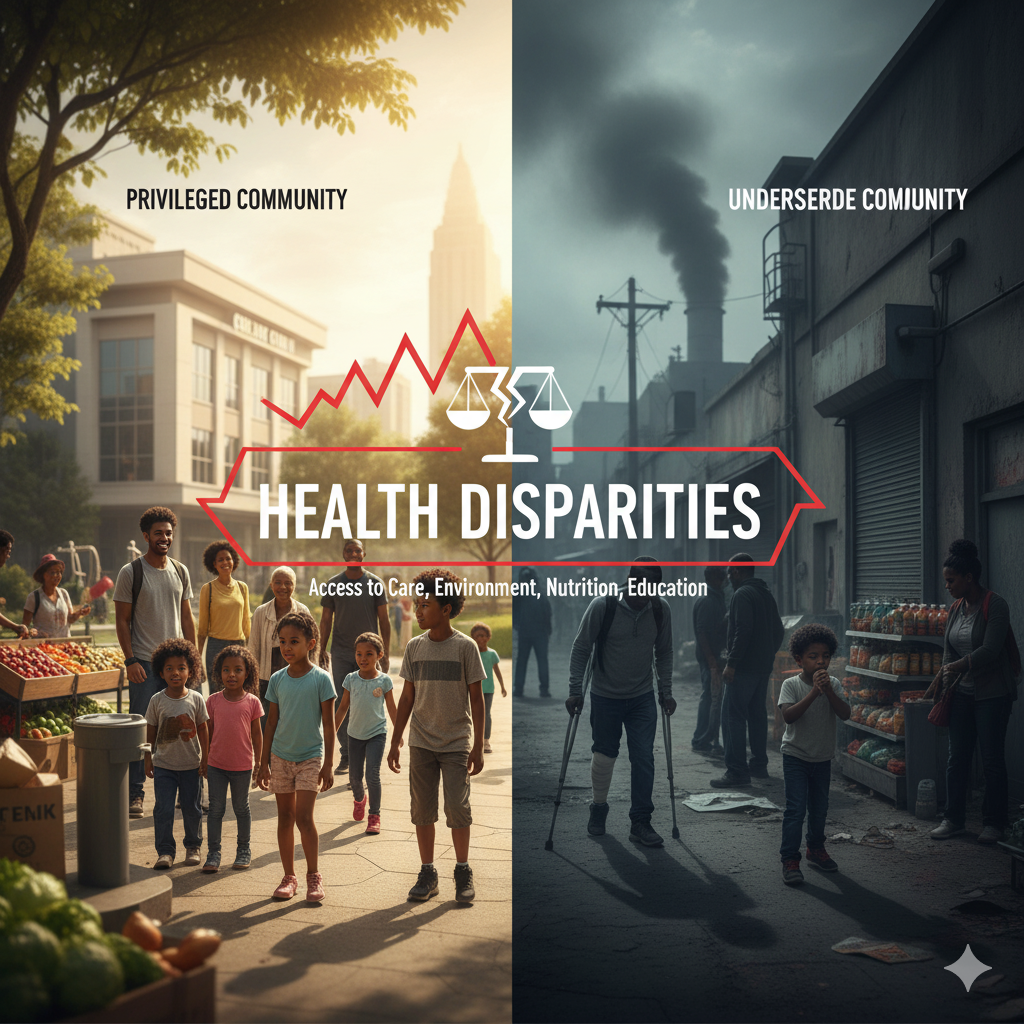


Health disparities are a pressing issue that affects communities across the globe. Despite advances in medicine and healthcare, not everyone receives equal treatment or has the same access to health resources. This reality can lead to significant differences in health outcomes among different populations. Understanding these disparities is crucial for creating effective solutions and promoting equity in healthcare.
From chronic illnesses to mental health challenges, various factors contribute to this complex landscape of inequity. In this guide, we’ll explore what health disparities are, highlight specific examples, and discuss the social determinants at play. We will also delve into strategies for addressing these inequalities and provide resources for those looking to make a difference.
Join us on this journey as we unravel the intricate web of factors influencing health disparities and work towards a healthier future for all.
What are health disparities?
Health disparities refer to the differences in health outcomes and access to healthcare services among various population groups. These gaps can be influenced by factors such as race, ethnicity, gender, geography, and socioeconomic status.
For instance, some communities may experience higher rates of chronic diseases like diabetes or heart disease due to limited access to quality healthcare. Others might face barriers related to education or income that prevent them from receiving timely medical attention.
These disparities are not just numbers on a chart; they reflect real lives affected by unequal opportunities for health and wellness. Understanding the root causes is essential for addressing these inequities effectively. When we recognize what health disparities are, we take the first step towards fostering a more equitable healthcare system where everyone has an opportunity for better health.
Factors that contribute to health disparities
Health disparities arise from a complex interplay of various factors. Socioeconomic status plays a pivotal role. Individuals with lower incomes often lack access to quality healthcare and nutritious food, which can lead to poorer health outcomes.
Geography also influences these gaps. Rural communities may face limited medical facilities or specialists, creating barriers for those in need of care.
Cultural differences further complicate the issue. Language barriers can hinder effective communication between patients and providers, resulting in misunderstandings about treatment options.
Additionally, systemic racism creates unequal opportunities within healthcare systems. Marginalized groups may receive substandard care due to bias or discrimination.
Lifestyle choices cannot be overlooked either; they are shaped by the environment individuals live in and their access to resources like parks for exercise or stores that offer healthy food options. Each factor intertwines, contributing to persistent health disparities across populations.
Examples of health disparities
Health disparities can be observed in various forms, affecting different communities unevenly. For instance, access to healthcare services varies significantly across racial and ethnic groups. African American and Hispanic populations often face barriers that limit their ability to receive timely medical care.
Another example is the difference in maternal mortality rates. Studies show that Black women are three to four times more likely to die from pregnancy-related complications compared to their White counterparts.
Chronic conditions also highlight these disparities. Indigenous peoples experience higher rates of diabetes and heart disease due to a mix of genetic, environmental, and social factors.
Geographic location plays a role too. Rural areas frequently lack sufficient healthcare facilities, leading residents to travel long distances for basic services.
These examples illustrate just how widespread health disparities are, underscoring the need for targeted interventions tailored to diverse community needs.
Impact of social determinants on health disparities
Social determinants play a crucial role in shaping health outcomes. Factors like income, education, and access to healthcare can significantly affect an individual’s well-being. Those with lower socioeconomic status often face barriers that prevent them from receiving adequate medical care.
Geography also contributes to these disparities. Rural areas may lack essential services compared to urban settings, leading to increased health risks for residents. Quality of housing and neighborhood safety further influence health behaviors and conditions.
Cultural factors cannot be overlooked either. Language barriers or differing beliefs about healthcare can hinder individuals from seeking necessary treatment. This creates a cycle where particular groups remain underserved.
Understanding the impact of social determinants helps identify ways to address these inequities effectively. By focusing on these root causes, communities can work towards reducing the gaps in health disparities faced by various populations.
Addressing and reducing health disparities
Addressing health disparities requires a multifaceted approach. It involves understanding the root causes and implementing targeted interventions.
Community engagement plays a vital role. Collaborating with local organizations can help identify specific needs and tailor solutions effectively.
Policies that promote equitable access to healthcare are essential. This includes increasing funding for underserved areas and enhancing public transportation options to medical facilities.
Education is also key. Raising awareness about available resources empowers individuals to seek care when needed.
Furthermore, data collection is crucial in tracking progress and highlighting persistent gaps in health outcomes. By utilizing this information, stakeholders can adjust their strategies accordingly.
Fostering partnerships between government agencies, non-profits, and private sectors creates a robust support system that addresses these disparities head-on while promoting lasting change within communities.
Resources for further education and action
Accessing reliable resources is crucial for understanding health disparities. Numerous organizations provide valuable information and tools to help individuals engage with these issues.
The Centers for Disease Control and Prevention (CDC) offers extensive research on the factors impacting health disparities. Their website features reports, statistics, and guidelines that can enhance your awareness.
Another excellent resource is the World Health Organization (WHO). They publish global perspectives on health equity, providing insights into how different countries address similar challenges.
Local community organizations often host workshops or seminars focused on health education. Participating in these events can foster conversation and empower you to take action within your community.
Consider engaging with social media campaigns centered around health disparities. Platforms like Twitter and Instagram offer real-time discussions that highlight ongoing initiatives aimed at reducing inequalities in healthcare access.
Conclusion
Understanding health disparities is crucial for fostering a healthier society. By recognizing the various factors that contribute to these disparities, we can begin to address and reduce their impact on vulnerable populations.
Health disparities manifest in numerous ways, from access to care to differences in treatment outcomes. These inequities are shaped by social determinants like income, education, and environment. Raising awareness about these issues encourages communities to take action.
Numerous resources exist for individuals seeking further education or ways to get involved. Engaging with organizations dedicated to health equity can amplify efforts toward meaningful change.
As we strive for equitable healthcare for all, it’s essential that everyone plays a role in advocating against health disparities. The journey may be challenging, but collective actions can lead us closer to achieving health justice.