


Flu season can feel like an unwelcome guest that shows up every year, bringing with it a host of symptoms that can knock you off your feet. Whether it’s the sudden onset of chills or the relentless cough, knowing what to look for is essential in managing this seasonal illness. Understanding the symptoms of flu not only helps you identify if you’re afflicted but also empowers you to take action quickly. With viral infections circulating during colder months, being informed about flu signs and how they differ from other illnesses becomes crucial for your health and well-being. Let’s dive into the world of influenza and explore everything from common indicators to effective home remedies!
Common Symptoms of Flu
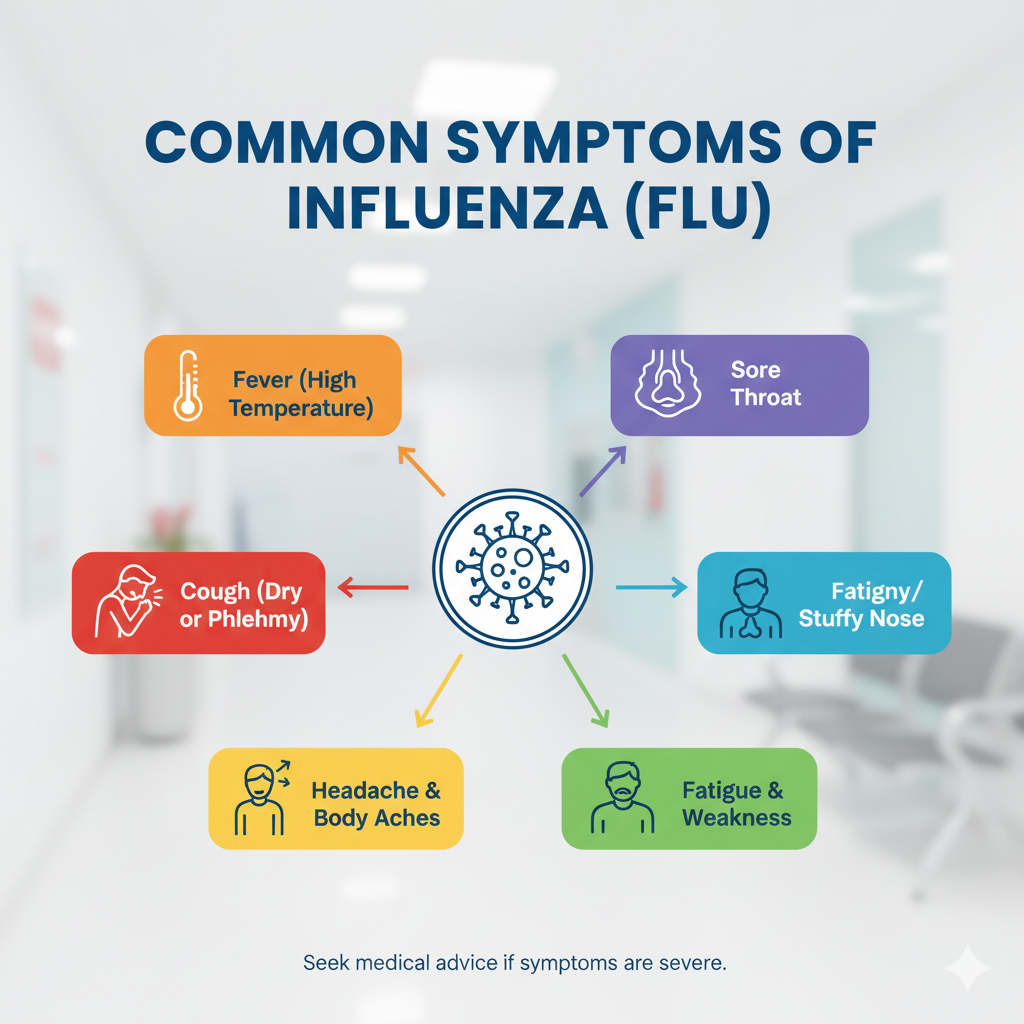
Flu symptoms can hit you suddenly and pack a punch. One of the first signs is often a high fever, which may spike above 100°F. Accompanying chills can make you feel cold one minute and drenched in sweat the next.
Body aches are another common complaint. Muscles may ache as if you’ve run a marathon, leaving you feeling fatigued and lethargic.
Headaches frequently occur as well, ranging from mild discomfort to severe pain that makes it hard to focus on anything else.
Coughing typically develops shortly after other symptoms appear. It can be dry or accompanied by mucus production, adding to your discomfort.
Sore throats and nasal congestion often tag along too, making swallowing difficult and breathing through your nose nearly impossible. These varied symptoms create an overwhelming sense of malaise that can last for several days or even longer.
Severe Symptoms of Flu
Severe symptoms of flu can take a toll on your body, making it essential to recognize them early. High fever often tops the list, frequently reaching 101°F or higher. This spike in temperature is your body’s way of fighting off the virus.
Another serious symptom is persistent chest pain or difficulty breathing. These signs could indicate complications like pneumonia and require urgent attention.
Extreme fatigue accompanies severe flu cases as well. It may feel overwhelming, leaving you unable to perform daily activities.
In addition, if you experience sudden dizziness or confusion, don’t ignore it. These neurological symptoms can signal that the infection is affecting more than just your respiratory system.
Recognizing these severe indicators early can make a significant difference in treatment outcomes and recovery time.
How to Differentiate Between Flu and a Cold
Flu and cold symptoms can feel quite similar, making it tricky to distinguish between the two.
A cold typically starts gradually. You might notice a runny nose or slight sore throat first. Symptoms often remain mild.
On the other hand, flu hits hard and fast. You may experience sudden fever, chills, and intense fatigue right from the start.
While colds are usually accompanied by sneezing, flu symptoms lean more toward body aches and headaches. The presence of high fever is also more common with the flu than with a simple cold.
If you find yourself feeling achy all over with persistent cough and significant weakness, it’s likely not just a cold. Pay attention to how rapidly your symptoms develop; this can be key in differentiating between them.
When to Seek Medical Attention for Flu Symptoms
Flu symptoms can range from mild to severe, but knowing when to seek medical attention is crucial. If you experience difficulty breathing or chest pain, don’t hesitate to reach out for help. These could indicate a more serious condition.
High fever that persists for several days is another red flag. While fevers are common with the flu, an unusually high temperature can signify complications requiring professional care.
Additionally, confusion or sudden dizziness warrants immediate medical evaluation. Your body may be signaling that it needs urgent support.
For individuals with chronic health conditions or weakened immune systems, consulting a healthcare provider early on is vital. The flu can exacerbate existing issues and lead to serious health risks.
Parents should monitor children closely as well. If they show signs of dehydration or have trouble waking up, it’s time to call a doctor right away.
Home Remedies to Alleviate Flu Symptoms
Home remedies can play a significant role in easing flu symptoms. Staying hydrated is crucial, so sip on warm herbal teas or clear broths to soothe your throat and keep your body nourished.
Honey is a natural remedy that works wonders for coughs. Mix it with lemon juice in hot water for added relief and flavor. This mixture not only calms irritation but also boosts your immune system.
Ginger tea is another excellent choice. Its anti-inflammatory properties help reduce fever while providing comfort against nausea.
Additionally, consider using steam inhalation to relieve congestion. Boil water, then carefully inhale the steam with a towel draped over your head—just don’t burn yourself!
Resting as much as possible allows your body to recover faster, too. Ensure you’re cozy under blankets and take naps throughout the day when needed—it’s essential for healing during this time of illness.
Prevention Tips for Avoiding the Flu
Staying healthy during flu season requires vigilance. One of the best defenses is getting a flu vaccine each year. It helps your body build immunity against circulating strains.
Hygiene plays a crucial role as well. Regularly washing your hands with soap and water can significantly reduce virus transmission. If soap isn’t available, hand sanitizer works too.
Avoid close contact with those exhibiting symptoms of illness. This simple step can prevent you from catching the virus yourself.
Maintaining a balanced diet strengthens your immune system. Incorporate plenty of fruits and vegetables rich in vitamins and minerals to boost overall health.
Getting enough sleep cannot be overlooked either; rest allows your body to recover and fend off infections more effectively.
Consider reducing stress through relaxation techniques or exercise—stress can weaken immunity, making it easier for germs to take hold.
Conclusion
Understanding the symptoms of flu is crucial for maintaining your health during flu season. The common signs can often mimic other illnesses, making it essential to recognize them early. From fever and body aches to fatigue and chills, being aware of these indicators can help you take action promptly.
When differentiating between the flu and a cold, remember that while both share some symptoms, the flu typically comes on suddenly and is more intense. Knowing when to seek medical attention is equally important; if symptoms worsen or you experience severe complications like difficulty breathing or chest pain, don’t hesitate to reach out to a healthcare professional.
There are various home remedies available that may provide relief from flu symptoms. Staying hydrated, resting adequately, and using over-the-counter medications can make a significant difference in your recovery time. Additionally, practicing good hygiene habits will go a long way in preventing the spread of influenza viruses.
Taking proactive steps such as getting vaccinated each year will also help protect yourself against this virus. By keeping informed about how to recognize and respond to flu symptoms effectively, you’re taking control of your health during peak seasons.
Stay vigilant about your well-being by monitoring any changes in your body’s signals related to illness—and always prioritize self-care!