
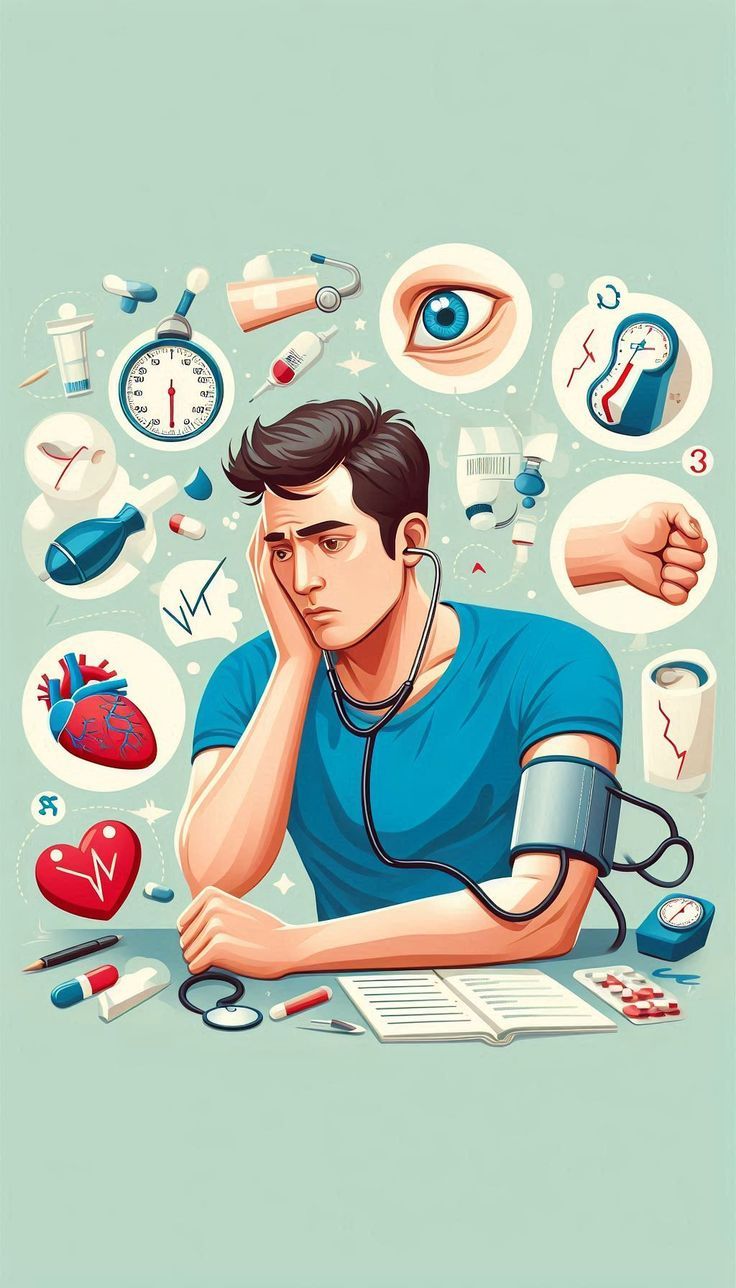


High blood pressure, often dubbed the silent killer, is a condition that many may unknowingly grapple with. It creeps in without warning and can lead to serious health complications if left unchecked. Understanding the symptoms of high blood pressure is crucial for taking proactive steps toward better health. With millions affected worldwide, recognizing these signs early can make all the difference in managing your well-being effectively. Let’s dive into what high blood pressure really means and how you can identify its telltale symptoms before it becomes a bigger issue.
What is High Blood Pressure?
High blood pressure, or hypertension, occurs when the force of blood against your artery walls is consistently too high. This condition can strain your heart and lead to serious health problems over time.
Blood pressure readings consist of two numbers: systolic and diastolic. Systolic measures the pressure when your heart beats, while diastolic measures it when your heart rests between beats.
Hypertension often develops gradually and may not present noticeable symptoms initially, which is why it’s essential to monitor it regularly. Factors such as genetics, diet, lifestyle choices, and age can contribute to its development.
Understanding this condition helps you recognize its potential impact on overall health. Awareness empowers individuals to seek timely intervention before complications arise.
Causes of High Blood Pressure
High blood pressure, or hypertension, can stem from various factors. Genetics often plays a significant role. If your family has a history of high blood pressure, you might be at higher risk.
Lifestyle choices also contribute to this condition. A diet rich in salt and saturated fats can elevate blood pressure levels over time. Sedentary habits further complicate the situation by leading to weight gain.
Stress is another culprit that shouldn’t be overlooked. Chronic stress may cause temporary spikes in blood pressure but can lead to long-term issues if not managed properly.
Certain medical conditions play their part too. Diabetes, kidney disease, and sleep apnea are linked with higher risks for developing hypertension. Medications like nonsteroidal anti-inflammatory drugs (NSAIDs) can have unintended effects on your blood pressure as well.
Understanding these causes helps in identifying personal risk factors and taking proactive steps towards health management.
Common Symptoms of High Blood Pressure
High blood pressure, often called a silent killer, frequently goes unnoticed. Many people don’t experience obvious symptoms until it has reached a critical stage.
Some common signs include headaches that seem more intense or frequent than usual. Dizziness can also be alarming and may leave you feeling disoriented.
Nosebleeds are another symptom some individuals report when their blood pressure spikes. While they can occur for various reasons, persistent nosebleeds should never be ignored.
Chest pain is particularly concerning as well; it could signal something beyond high blood pressure itself. Shortness of breath may accompany this discomfort, leaving one feeling anxious and overwhelmed.
Blurred vision sometimes occurs too, making everyday tasks challenging. If you notice any of these symptoms consistently, seeking medical advice is crucial for your health management.
Complications and Risks Associated with High Blood Pressure
High blood pressure can have serious repercussions on your health. It silently harms vital organs over time, often without noticeable symptoms.
One of the major risks is heart disease. Elevated blood pressure forces your heart to work harder, increasing the likelihood of heart attacks and strokes. The strain it places on arteries can lead to atherosclerosis, where arteries become narrow and rigid.
Kidney damage is another concern. High blood pressure can impede kidney function, leading to chronic kidney disease or even renal failure.
Vision problems may arise as well. Hypertension damages the delicate vessels in the eyes, resulting in vision loss or conditions like hypertensive retinopathy.
Additionally, prolonged high blood pressure affects cognitive functions. There’s a potential link between hypertension and dementia due to reduced blood flow to the brain.
These complications highlight why monitoring your blood pressure regularly is essential for maintaining overall health.
How to Monitor and Treat High Blood Pressure
Monitoring high blood pressure is crucial for maintaining your health. Regular checks can be done at home using a digital blood pressure monitor. Aim to measure it at the same time each day for consistency.
Keep a log of your readings. This information will help your healthcare provider make informed decisions about treatment options.
When it comes to treating high blood pressure, lifestyle changes are often the first step. Incorporating a balanced diet rich in fruits and vegetables, reducing sodium intake, and engaging in regular physical activity can significantly lower your numbers.
If necessary, medication may be prescribed by your doctor. These might include diuretics or ACE inhibitors among others. It’s essential to follow the recommended dosage and schedule closely.
Always stay connected with your healthcare team for guidance tailored specifically to you. They can provide ongoing support as you manage this condition effectively.
Prevention and Lifestyle Changes for Managing High Blood Pressure
Managing high blood pressure often starts with simple lifestyle changes. Incorporating a balanced diet rich in fruits, vegetables, and whole grains can make a significant difference. Reducing salt intake is crucial; even small adjustments can lower your blood pressure over time.
Regular exercise plays an essential role as well. Aim for at least 150 minutes of moderate activity each week. This could be brisk walking, cycling, or swimming—whatever keeps you moving.
Stress management techniques are equally important. Mindfulness practices like yoga or meditation help reduce stress levels that may contribute to hypertension.
Limiting alcohol consumption and quitting smoking also benefit overall heart health significantly. Each step you take toward healthier habits contributes to better blood pressure control and improved well-being long-term.
Conclusion
Managing high blood pressure is crucial for maintaining overall health. Recognizing the symptoms of high blood pressure early can empower individuals to seek medical advice and make necessary lifestyle changes. Regular monitoring, understanding the causes, and being aware of potential complications are all essential steps in managing this condition effectively.
By incorporating healthy habits such as a balanced diet, regular exercise, and stress management techniques into daily life, you can significantly lower your risk of developing serious health issues related to high blood pressure. Knowledge is power when it comes to your health; staying informed about your body will help you take proactive measures against hypertension. Prioritize your well-being by being vigilant about the symptoms of high blood pressure and taking action when needed. Your heart deserves it!