
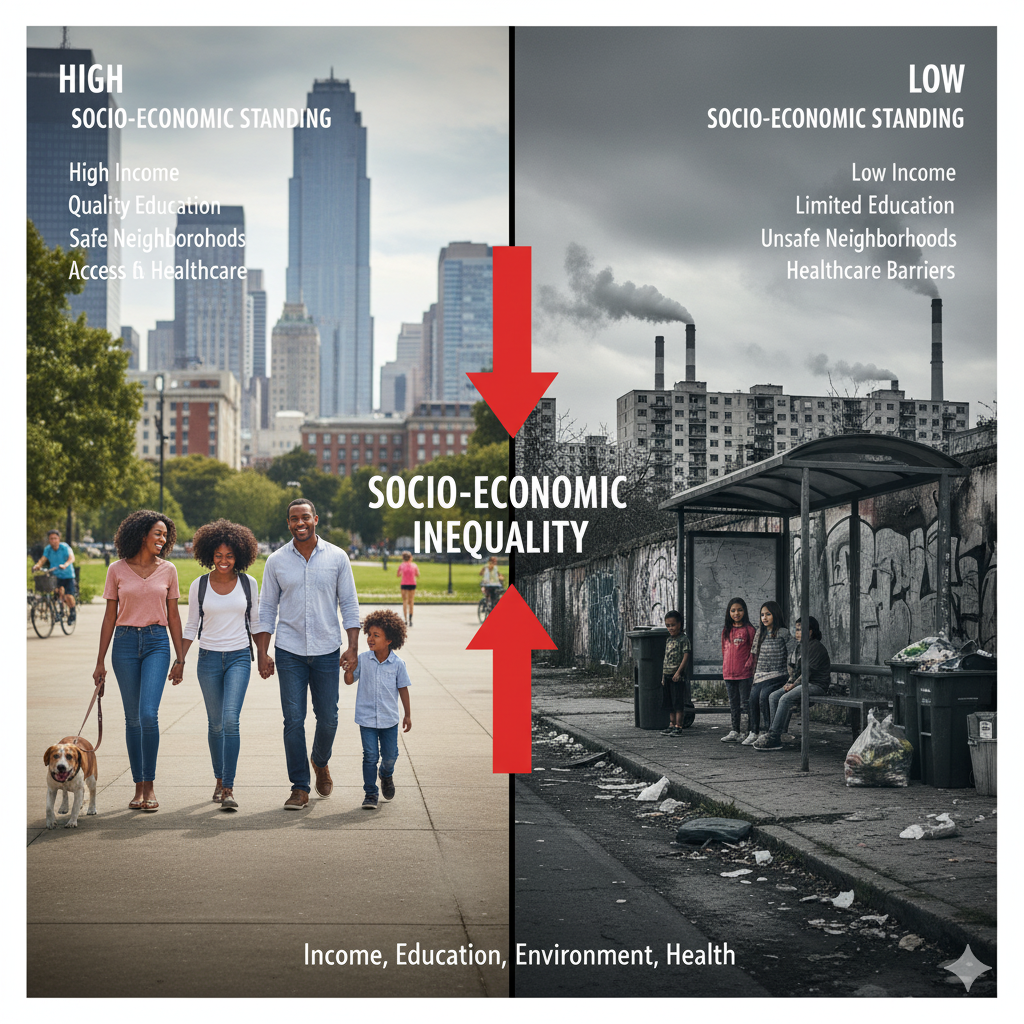


Socioeconomic standing plays a crucial role in shaping our lives, opportunities, and even health. It encompasses more than just income; it includes education, occupation, and social status. Understanding this complex web can provide insights into the disparities we see in society today. How does one’s socioeconomic position affect their quality of life? What factors contribute to these standings? As we delve deeper into the intricacies of socioeconomic status, you’ll uncover not only its impact but also strategies for improvement that could change lives for the better. Let’s embark on this journey to explore what socioeconomic standing really means and how it influences us all.
Understanding Socioeconomic Standing
Socioeconomic standing refers to an individual’s or group’s social and economic position in relation to others. It is a multifaceted concept that encompasses various elements such as income, education level, and occupation.
This standing influences access to resources like healthcare, housing, and education. Those with higher socioeconomic status often enjoy better opportunities for personal and professional growth.
Understanding this dynamic can help identify societal trends and inequalities. For example, disparities in wealth distribution can impact community development.
Moreover, socioeconomic standing affects lifestyle choices. Individuals from lower-income backgrounds may face challenges that limit their ability to make healthy decisions or pursue higher education.
By exploring these aspects of socioeconomic status, we can gain deeper insights into the broader implications on society as a whole.
Factors that Contribute to Socioeconomic Standing
Numerous factors shape socioeconomic standing, and understanding these elements is crucial. Income level plays a significant role, influencing access to resources such as healthcare and education.
Employment opportunities also matter. Jobs that offer stability and growth can elevate an individual’s economic status over time.
Geographic location cannot be overlooked either. People living in urban areas often have better access to services compared to those in rural regions.
Family background contributes significantly too. Generational wealth or lack thereof impacts educational prospects and career choices for many individuals.
Social networks play a vital part as well. Connections can open doors to job opportunities and mentorships that enhance one’s position in society.
Cultural capital—values, knowledge, skills—shapes how one navigates various social environments and influences perceptions of worth within different communities.
The Impact of Socioeconomic Standing on Individuals and Society
Socioeconomic standing significantly shapes an individual’s life experiences. Those from higher socioeconomic backgrounds often enjoy better access to healthcare, education, and job opportunities. This advantage can lead to healthier lifestyles and greater financial stability.
Conversely, individuals with lower socioeconomic status face numerous hurdles. Limited resources can result in stress-related health issues and reduced opportunities for upward mobility. These challenges not only affect them but also ripple through their communities.
Wider societal impacts are evident too. Economic disparities contribute to social tensions and hinder community development. When large segments of the population struggle, it limits overall progress and prosperity.
Equity in socioeconomic standing fosters a more cohesive society where everyone has a chance to thrive. Addressing these inequalities is crucial for building stronger communities that benefit all members collectively.
Strategies for Improving Socioeconomic Standing
Improving socioeconomic standing is a multifaceted challenge that requires targeted strategies. One effective approach is enhancing access to quality education. This can empower individuals with the skills necessary for better job opportunities.
Another crucial strategy involves financial literacy programs. Understanding budgeting, saving, and investing equips people to make informed decisions about their finances, paving the way for economic growth.
Community support systems play a significant role as well. Local organizations can offer resources such as mentorships, networking events, and workshops tailored to help individuals improve their situation.
Additionally, advocating for policy changes that promote fair wages and affordable housing can create an environment where everyone has a chance to thrive. By addressing systemic issues at both local and national levels, we build pathways toward greater socioeconomic mobility for all.
The Role of Education in Breaking the Cycle of Poverty
Education serves as a powerful tool in breaking the cycle of poverty. It opens doors to better job opportunities and higher income potential. With education, individuals gain skills that are essential in today’s competitive market.
Access to quality education can foster critical thinking and problem-solving abilities. These skills empower people to make informed decisions about their lives, enhancing their socio economic standing.
Moreover, educated individuals often inspire future generations within their families and communities. When parents value education, children are more likely to pursue it themselves.
Investing in educational programs also benefits society at large. A well-educated workforce contributes positively to the economy by driving innovation and productivity.
By prioritizing education for all, we create pathways for upward mobility and help dismantle systemic barriers associated with poverty. Education not only transforms individual lives but also has far-reaching effects on entire communities.
Challenges and Barriers to Achieving Higher Socioeconomic Standing
Achieving higher socioeconomic standing is often a daunting task. Many face structural barriers that hinder their progress. These include systemic inequalities in wealth distribution and access to resources.
One significant challenge is the lack of quality education. Schools in low-income areas frequently suffer from inadequate funding, which impacts student outcomes. When educational opportunities are limited, it becomes harder for individuals to break free from financial struggles.
Employment also plays a critical role. Job markets can be unforgiving, especially for those without connections or advanced skills. Discrimination based on race or gender further complicates this issue, making it difficult for many to secure stable employment.
Health disparities compound these challenges as well. Limited access to healthcare can lead to chronic health issues that impede work performance and reduce earning potential.
These barriers create a cycle that’s tough to escape, keeping many trapped in lower socioeconomic brackets despite their efforts and aspirations.
Conclusion
Understanding socioeconomic standing is crucial for grasping the complexities of our society. This concept comprises various factors, including income, education, occupation, and overall social status. Each element intertwines to create a comprehensive picture that can impact lives in profound ways.
Factors such as family background and access to resources play significant roles in shaping one’s socioeconomic standing. Geographic location also matters; urban areas might offer more opportunities than rural ones. Additionally, systemic inequalities can reinforce existing disparities among different groups.
The repercussions of socioeconomic standing extend beyond individual experiences. They influence health outcomes, educational attainment, and career prospects not just for individuals but for entire communities. Societal cohesion often depends on addressing these differences effectively.
Improving socio economic standing requires targeted strategies that focus on empowerment and resource allocation. Community programs aimed at skill development or financial literacy can make a notable difference over time. Equally important is creating policies that ensure equitable access to quality education and healthcare services.
Education serves as a powerful tool in breaking cycles of poverty. It equips individuals with knowledge and skills necessary for better job opportunities while promoting critical thinking needed to navigate life’s challenges successfully.
However, barriers persist in the quest for higher socio-economic levels. These include discrimination based on race or gender, lack of affordable housing, or inadequate public transport systems making job commuting difficult—challenges that must be addressed collectively by policymakers and community leaders alike.
Addressing socio economic standing isn’t merely an abstract concept; it’s about fostering real change in people’s lives through informed action and collaboration across various sectors.