
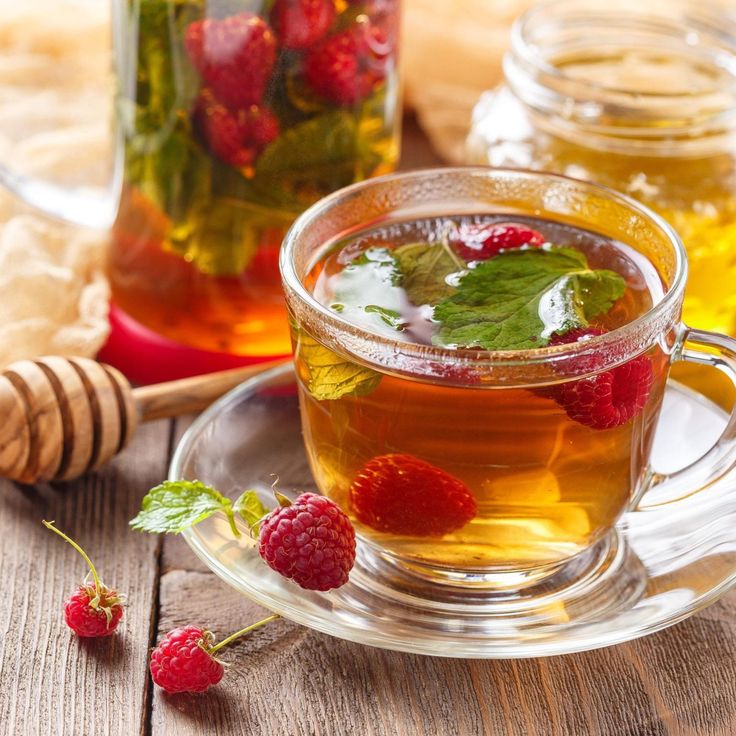


Raspberry Leaf Tea has been cherished for centuries, often hailed as a powerhouse of natural goodness. This herbal infusion is more than just a delightful beverage; it’s loaded with nutrients and health benefits that can support your body in various ways. Whether you’re seeking to soothe menstrual discomfort or simply enjoy a warm cup of nature’s bounty, Raspberry Leaf Tea offers an inviting experience for both the senses and well-being. Let’s dive into why this humble leaf deserves a spot in your pantry!
The Benefits of Drinking Raspberry Leaf Tea
Raspberry leaf tea offers a treasure trove of health benefits. Rich in vitamins and minerals, it can help support overall wellness.
One of its most celebrated advantages is its potential to ease menstrual discomfort. Many women find relief from cramps after incorporating this herbal drink into their routine.
Pregnant women often turn to raspberry leaf tea for its believed ability to strengthen the uterine muscles, potentially aiding in labor preparation.
Additionally, this soothing beverage may enhance digestion and reduce bloating thanks to its natural astringent properties.
Packed with antioxidants, raspberry leaf tea contributes to immune system support as well, helping your body fend off illness more effectively.
Whether you’re sipping it for reproductive health or simply enjoying the taste, raspberry leaf tea provides numerous reasons to embrace it as part of your daily ritual.
How to Make Raspberry Leaf Tea
Making raspberry leaf tea is a simple process that can be done in just a few steps.
Start by gathering dried raspberry leaves, which you can find at health food stores or online. For each cup of tea, measure about one to two teaspoons of the dried leaves.
Next, bring water to a boil in a kettle or pot. Once boiling, pour the hot water over the leaves in your teapot or mug. Allow it to steep for about 5 to 10 minutes, depending on how strong you prefer your tea.
After steeping, strain out the leaves using a fine mesh strainer or simply remove them from your cup if you’re using loose-leaf infusers. You can enjoy the tea as is or enhance its flavor with honey or lemon.
Serving it warm provides comfort any time of day while offering all its natural benefits.
Other Uses for Raspberry Leaf
Raspberry leaf isn’t just for tea. This versatile herb has been used in various forms across different cultures.
For instance, raspberry leaf can be made into tinctures or extracts. These concentrated liquids often serve as natural remedies for various ailments.
Some people use it topically as well. A poultice made from the leaves may help soothe minor skin irritations and rashes.
Additionally, the dried leaves can be added to herbal blends or infused oils. They offer a subtle flavor while enhancing the nutritional profile of your concoctions.
Gardening enthusiasts sometimes include raspberry plants for their aesthetic appeal too. The lush green foliage adds beauty to any garden space, alongside its practical uses.
It’s worth noting that this plant attracts beneficial insects like bees and butterflies, contributing positively to local ecosystems.
Side Effects and Precautions
Raspberry Leaf Tea is generally safe for most people. However, some individuals may experience mild side effects. Common issues include stomach upset or diarrhea.
Pregnant women should approach raspberry leaf with caution. While it’s often touted for its benefits during labor, consulting a healthcare professional before use is essential.
If you’re on medications, especially blood thinners or hormonal treatments, check with your doctor first. Raspberry leaves can interact with certain drugs.
Allergic reactions are rare but possible. Watch for symptoms like rash or difficulty breathing after consuming the tea.
Always start with a small amount to see how your body reacts. This way, you can enjoy its benefits while minimizing any risks involved with consumption.
Where to Find Raspberry Leaf Tea and Cost
Raspberry leaf tea is becoming increasingly popular, making it easier to find in various places. Many health food stores stock it, often alongside other herbal teas. Major grocery chains may also carry it in their natural foods sections.
For those who prefer the convenience of online shopping, numerous websites sell raspberry leaf tea. You can choose from loose leaves or pre-packaged tea bags, depending on your preference.
Prices for raspberry leaf tea vary significantly based on brand and quantity. Generally, a box of 20-25 tea bags ranges from $5 to $10. Loose-leaf options might be slightly more expensive but offer flexibility in brewing strength.
Always be sure to check product reviews before purchasing. This helps ensure you’re selecting a high-quality option that meets your needs and preferences.
Conclusion
Raspberry Leaf Tea has gained popularity for its numerous health benefits and natural properties. This herbal infusion is not only soothing but also packed with essential nutrients that can support women’s health, especially during pregnancy. The process of brewing Raspberry Leaf Tea is simple, making it an easy addition to your daily routine.
Beyond the common use as a tea, Raspberry Leaves have applications in skincare and other herbal remedies. However, it’s important to keep in mind potential side effects and consult with a healthcare professional if you’re considering adding it to your wellness regimen.
Whether you’re looking for an affordable way to improve your well-being or simply enjoy a delightful cup of tea, Raspberry Leaf Tea may be worth exploring. With various options available online and in local stores, incorporating this natural remedy into your life could lead you on a journey toward better health. Embrace the power of nature’s offerings—your body might just thank you for it!