
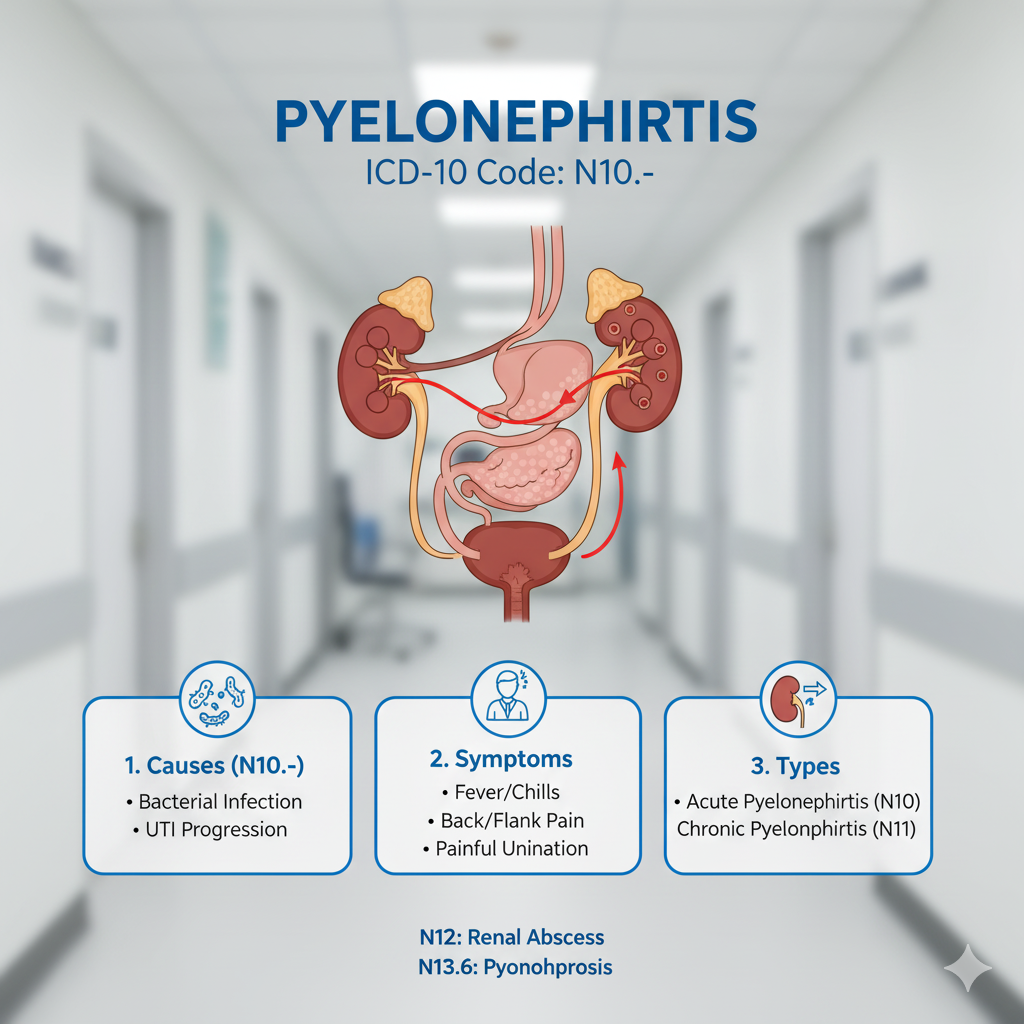


Pyelonephritis may sound like a complex term, but it refers to a common yet serious kidney infection that warrants attention. Often stemming from an untreated urinary tract infection (UTI), this condition can lead to significant health challenges if not properly addressed. Understanding pyelonephritis is crucial, especially for healthcare providers and patients alike. One key aspect of managing this condition involves the use of ICD-10 codes, which play a vital role in diagnosis and treatment accuracy. In this blog post, we’ll explore what pyelonephritis is, how it’s coded in the ICD-10 system, its symptoms, and available treatment options. Let’s dive into the details!
Understanding ICD-10 Codes
ICD-10 codes are essential for medical professionals around the world. They provide a standard system for classifying diseases and health conditions.
This coding framework helps in accurate diagnosis documentation. It simplifies billing processes and ensures proper communication among healthcare providers.
The ICD-10 system includes alphanumeric codes, making it more detailed than its predecessor, ICD-9. Each code corresponds to specific diagnoses, symptoms, or procedures.
These codes not only facilitate patient care but also play a vital role in public health statistics. They help track disease prevalence and outcomes on a global scale.
For medical coders and billers, understanding these codes is crucial for efficient operation within healthcare settings. Errors in coding can lead to claim denials or improper treatment records.
What is Pyelonephritis ICD-10?
Pyelonephritis ICD-10 refers to the specific coding used to classify pyelonephritis in the International Classification of Diseases, Tenth Revision. This coding system helps healthcare professionals and coders accurately document this condition for billing and statistical purposes.
In the ICD-10 framework, pyelonephritis is primarily categorized under N10, which denotes acute pyelonephritis. There are additional codes that specify complications or chronic forms of the disease. These distinctions allow for better treatment plans tailored to individual patient needs.
Using accurate ICD-10 codes ensures proper communication among healthcare providers. It also plays a vital role in tracking health trends related to urinary tract infections and their potential impact on public health initiatives. Understanding these codes can significantly enhance effective patient management strategies within clinical settings.
How is Pyelonephritis Coded in ICD-10?
Pyelonephritis coding in ICD-10 relies on specific guidelines to ensure accurate representation of the condition. The main code for acute pyelonephritis is N10, while chronic cases fall under N11.
When documenting, it’s essential to specify whether the infection is bilateral or unilateral. This detail affects the coding process and treatment plans.
Additional codes may be applied based on complications or associated conditions. For example, if a patient has recurrent infections, this should also be noted in their records.
Healthcare providers must stay updated with any changes in coding practices as they can impact billing and insurance claims. Proper documentation ensures that patients receive appropriate care aligned with their medical needs.
Common Symptoms of Pyelonephritis
Pyelonephritis often presents with a combination of symptoms that can be quite distressing. One of the most common signs is a sudden onset of fever, which may accompany chills and sweating.
Patients frequently experience flank pain, typically felt on one side of the back. This discomfort can range from mild to severe, often making it difficult to find relief.
Dysuria, or painful urination, is another prevalent symptom. Many individuals report an increased frequency and urgency when needing to use the bathroom.
Nausea and vomiting are also not uncommon in those suffering from this condition. These gastrointestinal symptoms can contribute to dehydration if left unchecked.
Additionally, some patients notice changes in their urine color or odor, sometimes indicating an underlying infection. Recognizing these signs early on is crucial for timely treatment and recovery.
Treatment Options for Pyelonephritis and Coding Considerations
Treating pyelonephritis typically involves antibiotics to combat the bacterial infection. The choice of antibiotic is guided by culture results, ensuring targeted therapy. Severity and patient factors can influence treatment duration, usually ranging from 7 to 14 days.
In cases where the infection leads to complications such as abscesses or obstruction, additional interventions may be necessary. This might include drainage procedures or hospitalization for intravenous antibiotics.
From a coding standpoint, accurate documentation is critical for proper ICD-10 classification. Clinicians must specify whether it’s acute or chronic pyelonephritis and note any underlying conditions. Coding professionals need to ensure that all relevant details are captured in medical records for efficient billing and care continuity.
Regular follow-ups help monitor recovery progress and manage any potential recurrences effectively. These considerations not only enhance patient outcomes but also streamline healthcare processes related to coding accuracy.
Conclusion
Pyelonephritis is a serious kidney infection that requires prompt diagnosis and treatment. Understanding the nuances of this condition, particularly in terms of ICD-10 coding, can be invaluable for healthcare professionals and patients alike. The ICD-10 code for pyelonephritis helps ensure accurate medical records, appropriate billing, and effective communication between providers.
Recognizing common symptoms such as fever, chills, and flank pain is crucial for early detection. Patients experiencing these signs should seek medical attention right away to prevent complications. Treatment options like antibiotics are typically effective but may vary based on individual circumstances.
For anyone navigating the complexities of health conditions like pyelonephritis or dealing with insurance claims and medical documentation, familiarity with ICD-10 coding can make a significant difference in managing care efficiently.