
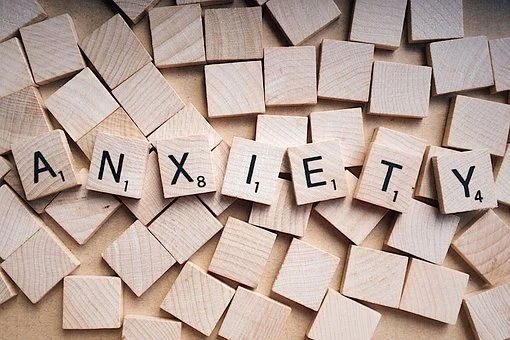


Understanding Anxiety
Anxiety is a natural response that serves as a mechanism for humans to react to challenging situations. It can be defined as a feeling of worry, nervousness, or unease about an imminent event or something with an uncertain outcome. While mild anxiety can be beneficial, helping individuals to stay alert and focused, excessive anxiety can disrupt daily functioning and indicate an underlying anxiety disorder.
Common symptoms of anxiety include feelings of restlessness, fatigue, irritability, muscle tension, and sleep disturbances. These symptoms can vary widely among individuals, often manifesting physically and emotionally. Individuals may experience anxiety in different ways, which can make understanding the condition more complex. For some, anxiety can lead to panic attacks, characterized by sudden feelings of intense terror and physical symptoms such as rapid heartbeat and shortness of breath.
There are several types of anxiety disorders, including Generalized Anxiety Disorder (GAD), Panic Disorder, Social Anxiety Disorder, and Specific Phobias, each presenting distinctive symptoms and triggers. While GAD involves persistent and excessive worry, Panic Disorder is characterized by recurrent panic attacks. Social Anxiety Disorder, on the other hand, manifests as an overwhelming fear of social situations, while Specific Phobias leading to an intense fear of a particular object or situation can significantly limit a person’s life.
Understanding the physiological and psychological factors that contribute to anxiety is crucial for developing effective coping strategies. Factors such as genetics, brain chemistry, personality, and environmental influences play significant roles in the onset and severity of anxiety disorders. Furthermore, life experiences, including trauma or significant stress, can significantly impact an individual’s vulnerability to anxiety.
The Impact of Anxiety on Daily Life
Anxiety is a pervasive condition that can profoundly affect various aspects of an individual’s daily life. This mental health disorder does not only manifest as excessive worry but can also encompass feelings of apprehension and fear that interfere with normal functioning. The implications of anxiety can extend into one’s professional environment, personal relationships, and overall well-being.
In the workplace, anxiety can significantly hinder performance. Individuals may experience difficulties in concentrating, completing tasks efficiently, or making sound decisions. This inability to function optimally can lead to decreased productivity, strained relations with colleagues, and sometimes even job loss. Employees suffering from anxiety may miss work frequently, leading to a cycle of stress and anxiety about job security, compounding the initial problem.
On a personal level, anxiety can create substantial barriers in relationships. Individuals may withdraw from social interactions, fearing judgment or ridicule, resulting in isolation. This withdrawal can further exacerbate feelings of loneliness, intensifying the symptoms of anxiety. Family dynamics may be strained, as loved ones often struggle to understand the unpredictable nature of anxiety, which can lead to frustration and miscommunication.
Moreover, the emotional toll of living with anxiety manifests physically. Individuals frequently report symptoms such as headaches, gastrointestinal issues, and fatigue. Chronic anxiety can evoke a state of incessant stress, which in turn can lead to more severe health problems, including cardiovascular issues. Consequently, addressing anxiety is crucial not only for emotional stability but also for maintaining one’s physical health.
In summary, the impact of anxiety on daily life is profound, affecting work performance, personal relationships, and physical health. Recognizing and addressing this condition is essential for improving overall well-being.
The Role of Lifestyle Changes in Managing Anxiety
Lifestyle changes play a crucial role in the management of anxiety. Many individuals experience a decrease in anxiety symptoms when they adopt healthier habits, highlighting the direct correlation between physical health and mental well-being. Regular exercise, for instance, has been shown to significantly reduce anxiety levels. Engaging in physical activity triggers the release of endorphins, commonly known as “feel-good” hormones, which can help improve mood and alleviate stress. Activities such as walking, running, or yoga not only help in boosting physical fitness but also provide a simple yet effective way to combat anxious feelings.
Moreover, maintaining a balanced diet is essential in managing anxiety. Nutrient-rich foods such as fruits, vegetables, whole grains, and lean proteins contribute to overall mental health. Certain nutrients—including omega-3 fatty acids, folate, and vitamins B and D—have been linked to improved mood and brain function. Conversely, a diet high in processed foods, sugar, and caffeine can exacerbate anxiety symptoms. By prioritizing a healthy diet, individuals can create a solid foundation for emotional stability and resilience against anxiety.
In addition to exercise and diet, proper sleep hygiene is vital for managing anxiety levels. Sleep disturbances can significantly worsen anxiety, leading to a vicious cycle. Establishing a consistent sleep schedule, creating a restful environment, and limiting screen time before bed can enhance sleep quality. Adequate sleep allows the mind and body to rejuvenate, ultimately reducing feelings of anxiety and improving cognitive function.
Finally, hydration plays a noteworthy role in mental health. Dehydration can lead to fatigue and irritability, both of which can increase vulnerability to anxiety. Ensuring that one drinks enough water throughout the day supports both physical and mental well-being.
Mindfulness and Meditation Techniques
Mindfulness and meditation are proven approaches for alleviating anxiety and enhancing overall well-being. By focusing attention on the present moment, individuals can cultivate a state of awareness that reduces stress and enhances emotional regulation. Various techniques can be employed, making these practices accessible to everyone, regardless of experience level.
One common method is deep breathing exercises, which emphasize slow, deliberate breaths to calm the nervous system. To practice, find a comfortable position and inhale deeply through the nose for a count of four, hold for a count of four, and exhale slowly through the mouth for a count of six. This simple technique, when repeated several times, can significantly decrease tension in the body.
Guided imagery is another useful technique. This practice involves visualizing a peaceful scene or scenario, fostering relaxation and reducing anxiety levels. To utilize guided imagery, close your eyes and envision a serene place, such as a beach or forest. Focus on the details—sounds, scents, and sensations—allowing your mind to fully immerse itself in the imagined environment. This technique not only helps in diverting thoughts from stressors but also promotes a sense of calmness.
Body scans are also effective for relieving anxiety. This technique requires you to mentally scan your body, starting from the toes and working your way up to the head. As you focus on each body part, notice any tension and consciously relax those areas. By acknowledging physical sensations, individuals can develop greater body awareness, ultimately leading to reduced anxiety levels.
These mindfulness and meditation techniques provide invaluable tools for managing anxiety. Incorporating them into daily routines can lead to enhanced emotional resilience and improved mental clarity, allowing individuals to better navigate the challenges of life.
Herbal Remedies for Anxiety Relief
Herbal remedies have gained popularity in recent years as natural alternatives for managing anxiety symptoms. Among the myriad of options available, chamomile, lavender, and valerian root stand out due to their calming effects. Each of these herbs presents unique advantages that can contribute to anxiety relief.
Chamomile is widely recognized for its soothing properties, often consumed as a tea. It contains antioxidants that promote relaxation and may help alleviate symptoms of anxiety. Research suggests that chamomile can be particularly beneficial for those dealing with generalized anxiety disorder (GAD). It is essential, however, to be cautious, as some individuals may be allergic to chamomile or experience drowsiness as a side effect.
Lavender, another well-known herb, is noted for its aromatic qualities and its role in reducing anxiety levels. Lavender essential oil is commonly used in aromatherapy, and studies have shown that inhalation can significantly lower feelings of anxiety. Additionally, lavender may be applied topically or included in oral supplements, although users should be wary of potential side effects such as skin irritation or gastrointestinal discomfort.
Valerian root is often employed as a sleep aid, but it also demonstrates properties that can help manage anxiety. This herb is thought to enhance feelings of calm and reduce the time it takes to fall asleep. However, users should be aware of possible side effects like dizziness or headaches, and it is advisable to consult a healthcare professional before use, especially if combined with other medications.
While these herbal remedies present potential benefits for anxiety relief, caution should be exercised. Individual reactions can vary, and it is crucial to consult with a healthcare provider to ensure safety and efficacy while integrating these herbs into your wellness routine.
The Power of Support Networks
One of the most significant components in managing and overcoming anxiety is the support network individuals cultivate around themselves. This network can include friends, family members, mentors, or even support groups specifically tailored for those battling anxiety. Engaging with others who share similar experiences can create a strong sense of understanding and solidarity, helping individuals feel less isolated in their struggles.
Social support has been shown to have a profound impact on mental health. It fosters a sense of belonging and enhances the feeling that one’s experiences are validated. Family and friends can offer emotional assistance, and their encouragement can be crucial when anxiety leads to self-doubt or fear. Simple acts, such as sharing a conversation over coffee or participating in a group activity, can significantly reduce feelings of anxiety. These connections often provide not only a listening ear but also practical strategies that have worked for others in managing their anxiety.
Moreover, community support groups can serve as a potent resource for individuals seeking guidance and mutual understanding. These groups enable participants to openly discuss their thoughts and feelings in a safe environment, allowing for the exchange of coping strategies and personal anecdotes. The camaraderie developed in such settings can play a pivotal role in making anxiety feel less daunting. It supports the notion that one is not alone in their journey; instead, they are part of a larger community striving towards common goals of mental health and wellbeing.
Ultimately, leveraging the power of social support can lead to increased resilience. Individuals equipped with strong support networks often report higher levels of empowerment and motivation to tackle their anxiety head-on. Building and nurturing these connections within one’s life is not merely beneficial; it is essential for fostering long-term emotional health.
Cognitive Behavioral Therapy Techniques for Self-Help
Cognitive Behavioral Therapy (CBT) is a widely recognized approach in treating anxiety that emphasizes the interconnection between thoughts, feelings, and behaviors. By utilizing various CBT techniques, individuals can work towards managing their anxiety independently. One of the core methods of CBT is thought journaling, where individuals document their thoughts and feelings to identify patterns that contribute to anxiety. This practice not only allows for self-reflection but also fosters awareness of automatic negative thoughts.
Through thought journaling, individuals can systematically challenge negative thought patterns. The process involves recording troubling thoughts as they arise and assessing their validity. Once a thought is documented, one can evaluate the evidence supporting it as well as evidence to the contrary. This technique helps in re-evaluating perceptions and fostering a more balanced outlook that can effectively combat anxiety.
Another significant CBT technique for self-help is engaging in behavioral experiments. This method involves testing out beliefs through experimentation. For instance, if a person believes they will embarrass themselves in a social situation, they might purposely attend an event to gauge their actual experience. Often, the results contradict initial beliefs, leading to a reduction in anxiety related to those situations. Through these experiments, individuals can learn that their fears are unfounded and that they are capable of handling anxiety-provoking scenarios.
Incorporating these CBT techniques into daily life can significantly empower individuals in managing anxiety. By systematically challenging negative thoughts and taking proactive steps in real-world situations, one can cultivate resilience and improve overall mental well-being. Ultimately, through the application of thought journaling and behavioral experiments, individuals can develop a more constructive relationship with their thoughts, effectively reducing anxiety over time.
Establishing a Routine for Anxiety Management
Anxiety can often stem from unpredictability and chaos in daily life. One effective method for mitigating anxiety is the establishment of a structured routine. A well-defined daily routine provides a framework that promotes stability, which can be particularly beneficial in managing anxiety symptoms. To begin, allocate specific times for essential activities such as work, exercise, and relaxation. By sticking to a schedule, individuals can foster a sense of control over their lives, which can help alleviate anxious feelings.
Incorporating regular physical exercise into your routine is crucial. Exercise has been shown to reduce anxiety levels dramatically due to the release of endorphins and the positive effects on overall mood. Aim to include at least 30 minutes of moderate exercise, such as brisk walking or yoga, in your daily schedule. This not only helps to keep the body healthy but also serves as a mental health booster.
Besides physical activity, it is essential to allocate time for relaxation and mindfulness practices, such as meditation or deep-breathing exercises. Dedicating short periods during the day—perhaps in the morning or just before sleep—for these practices can significantly improve emotional regulation and lower anxiety levels. Consider setting a daily reminder to ensure that these calming activities become a regular part of your routine.
Social interaction also plays a vital role in anxiety management. Make it a habit to connect with friends or family members on a regular basis, whether through phone calls, video chats, or in-person visits. Engaging in meaningful conversations can not only provide emotional support but also serve as a distraction from anxious thoughts.
Lastly, do not overlook the importance of self-care activities. Dedicating time to hobbies or interests that you enjoy can significantly enhance your mood. Whether it’s reading, painting, or gardening, set aside daily time for these personal pursuits. By systematically incorporating these practices into your daily routine, you can effectively promote anxiety reduction and improve your overall well-being.
Recognizing the Need for Professional Help
While many individuals can manage anxiety through self-help strategies and lifestyle modifications, there are instances where seeking professional help becomes imperative. It is crucial to recognize the signs that indicate when anxiety may require professional intervention. If anxiety symptoms persist, intensify, or begin to interfere significantly with daily activities, it might be time to consult a healthcare provider. Symptoms such as overwhelming feelings of dread, panic attacks, or a constant sense of worry that disrupts work, relationships, or overall quality of life are red flags that should not be overlooked.
Additionally, if an individual finds themselves resorting to unhealthy coping mechanisms, such as substance abuse or social withdrawal, this can further indicate that professional assistance is needed. Mental health professionals, including therapists and counselors, are trained to identify and treat anxiety disorders effectively. They can offer tailored therapeutic approaches, such as cognitive-behavioral therapy (CBT), which has been proven to be effective in treating various anxiety issues.
Medications may also be prescribed in conjunction with therapy, particularly for those experiencing moderate to severe anxiety. Selective serotonin reuptake inhibitors (SSRIs) and other anxiolytics can help manage symptoms effectively. It is essential to have an open dialogue with a healthcare provider to explore all available options. Remember, seeking help is a strong step towards recovery and should never be seen as a weakness. By recognizing the need for professional support, individuals can take critical measures to regain control over their lives and promote their well-being.