


Prostate cancer is a topic that often stirs up concern and curiosity. It’s a disease that affects countless men worldwide, making understanding its intricacies essential for both patients and healthcare professionals. If you’re navigating the world of medical coding or looking to comprehend prostate health better, you’ve likely encountered the term “malignant neoplasm of prostate ICD-10.” But what does it all mean? Let’s dive into the essentials about this critical aspect of men’s health and explore everything from symptoms to treatment options while unraveling how these elements fit into the broader landscape of medical coding. Whether you’re a patient seeking information or a coder aiming for accuracy, this guide will provide clarity on malignant neoplasms related to prostate cancer.
Understanding the Basics of ICD-10 and Prostate Cancer
ICD-10, or the International Classification of Diseases, 10th Revision, is a critical tool in healthcare. It provides standardized codes for diagnosing diseases and health conditions. This coding system enhances communication among healthcare providers and ensures consistent documentation.
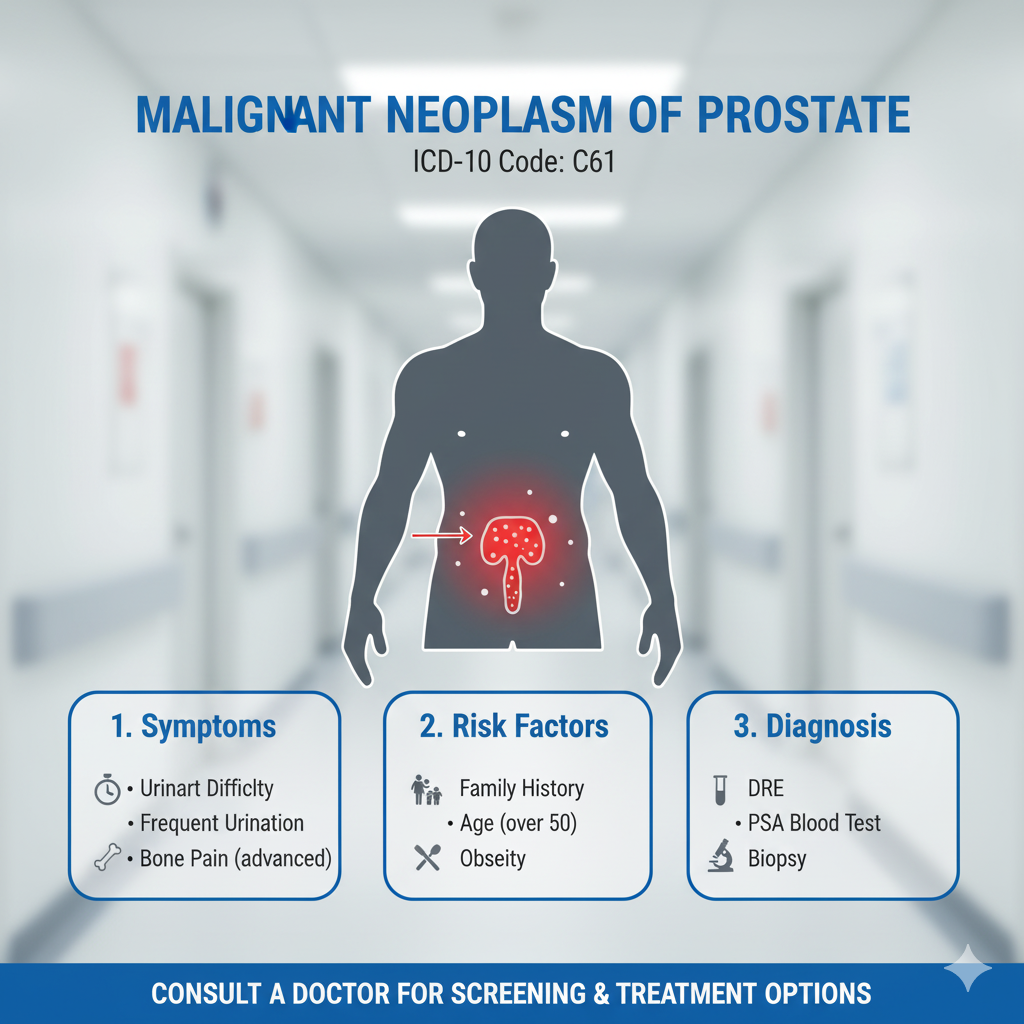
Prostate cancer sits prominently within this classification. The specific code for malignant neoplasm of the prostate is C61. Understanding these codes is crucial for accurate billing, research, and tracking disease prevalence.
For clinicians and coders alike, mastering ICD-10 not only aids in treatment planning but also fosters better patient outcomes. With over 70 unique codes related to prostate cancer alone, knowing how to navigate this landscape can significantly impact care delivery.
As awareness of prostate health grows, so does the need to comprehend both the medical implications and coding requirements associated with it. Accurate coding helps streamline processes while ensuring patients receive appropriate care at every stage of their journey.
What is Malignant Neoplasm of Prostate?
Malignant neoplasm of the prostate, commonly known as prostate cancer, occurs when abnormal cells in the prostate gland begin to grow uncontrollably. This growth can form solid tumors and may invade nearby tissues.
The prostate is a small gland located below the bladder in men. It produces seminal fluid that nourishes and transports sperm. When cancer develops here, it can disrupt these vital functions.
Prostate cancer varies significantly among individuals. Some forms are aggressive, spreading quickly to other parts of the body. Others may be slow-growing and remain confined for years without affecting health.
Understanding this condition requires awareness of its potential impact on life quality and longevity. Early detection plays a crucial role in effectively managing malignant neoplasm of prostate cases, making awareness essential for men’s health.
Signs and Symptoms of Prostate Cancer
Prostate cancer often develops slowly, making early detection challenging. Many men experience no symptoms in the initial stages. However, as the disease progresses, certain signs may surface.
One common symptom is changes in urination patterns. This can include difficulty starting or stopping urine flow and frequent urination at night. Some men may notice pain during urination or blood in their urine or semen.
Other symptoms might involve discomfort in the pelvic area or lower back pain that persists without a clear cause. In advanced cases, weight loss and fatigue can occur due to the body’s ongoing struggle against cancer.
Awareness of these signs is crucial for early diagnosis and effective treatment. Regular check-ups with healthcare providers are essential for monitoring prostate health over time.
Risk Factors for Developing Prostate Cancer
Prostate cancer is influenced by several risk factors that can increase a man’s likelihood of developing the disease. Age stands out as one of the most significant; men over 50 are at heightened risk.
Family history plays a crucial role as well. If your father or brother had prostate cancer, your chances may be doubled compared to those without such familial ties.
Ethnicity also matters. African American men face higher rates than their Caucasian and Hispanic counterparts, making genetics an important aspect to consider.
Dietary habits shouldn’t be overlooked either. A diet high in red meat and dairy products might elevate risks, while fruits and vegetables can offer some protective benefits.
Hormonal imbalances have been studied for their potential association with prostate cancer development, highlighting the complex interplay between various factors in this disease’s emergence.
Diagnosis and Staging of Malignant Neoplasm of Prostate
Diagnosing malignant neoplasm of the prostate involves a combination of tests and evaluations. Physicians often begin with a digital rectal exam (DRE) to feel for abnormalities in the prostate gland’s texture or size.
If any irregularities are detected, the next step typically includes a prostate-specific antigen (PSA) blood test. Elevated PSA levels may indicate cancer but can also result from other conditions.
Imaging studies play a crucial role as well. MRI scans and ultrasounds help visualize any tumors or metastasis spread within the body.
Once diagnosed, staging is essential for determining treatment options. The most common staging system used is the Gleason score, which assesses tumor aggressiveness based on microscopic patterns. This score aids in deciding whether surgery, radiation therapy, or other treatments are appropriate for each patient’s unique situation.
Treatment Options for Prostate Cancer
Treatment options for prostate cancer vary based on the stage and individual patient circumstances. Active surveillance is often recommended for early-stage cancers, allowing doctors to monitor the condition without immediate intervention.
For more aggressive cases, surgery may be necessary. A radical prostatectomy involves removing the entire prostate gland and some surrounding tissue. This option aims to eliminate cancer while preserving as much functionality as possible.
Radiation therapy is another common treatment method. It can either be delivered externally or through brachytherapy, which places radioactive seeds directly into the prostate.
Hormone therapy helps manage advanced stages by reducing testosterone levels that fuel tumor growth. Chemotherapy might also be prescribed when other treatments don’t work effectively.
Targeted therapies are emerging as promising alternatives, focusing on specific genetic markers of tumors. Each treatment plan should be tailored to meet an individual’s unique needs and health status.
Important Coding Guidelines for ICD-10-CM Code C61
When coding for malignant neoplasm of prostate, the ICD-10-CM code C61 is essential. This specific code captures various aspects of prostate cancer diagnoses.
Accurate documentation is vital. Healthcare providers must include details about the type, grade, and stage of cancer when documenting patient records.
Modifiers may also play a role in specifying the nature of treatment or any additional complications associated with the diagnosis.
It’s crucial to differentiate between primary and secondary tumors as this affects both coding and treatment approaches. Always ensure that coding aligns with current clinical guidelines and updates from authoritative sources like CMS.
Regularly reviewing these guidelines helps maintain compliance, ensuring proper reimbursement while providing quality patient care. Always double-check codes before submission to minimize claim denials due to inaccuracies.
Conclusion
Understanding the complexities of malignant neoplasm of prostate ICD-10 is essential for both healthcare professionals and patients. Prostate cancer, clinically categorized under this coding system, presents a significant public health concern. Knowing its signs and symptoms helps in early detection and management.
Awareness of risk factors can empower individuals to take proactive steps towards their health. The diagnosis process is critical, as it guides appropriate treatment options tailored to each patient’s specific needs.
For medical coders and practitioners, adherence to the guidelines for ICD-10-CM code C61 ensures accurate documentation and billing practices—an integral part of healthcare delivery.
By staying informed about prostate cancer’s nuances—from basics to advanced staging—you equip yourself with knowledge that could save lives or improve quality of life significantly. Embracing this understanding fosters better communication between patients and healthcare providers while enhancing overall care strategies for those affected by malignant neoplasms of the prostate.