
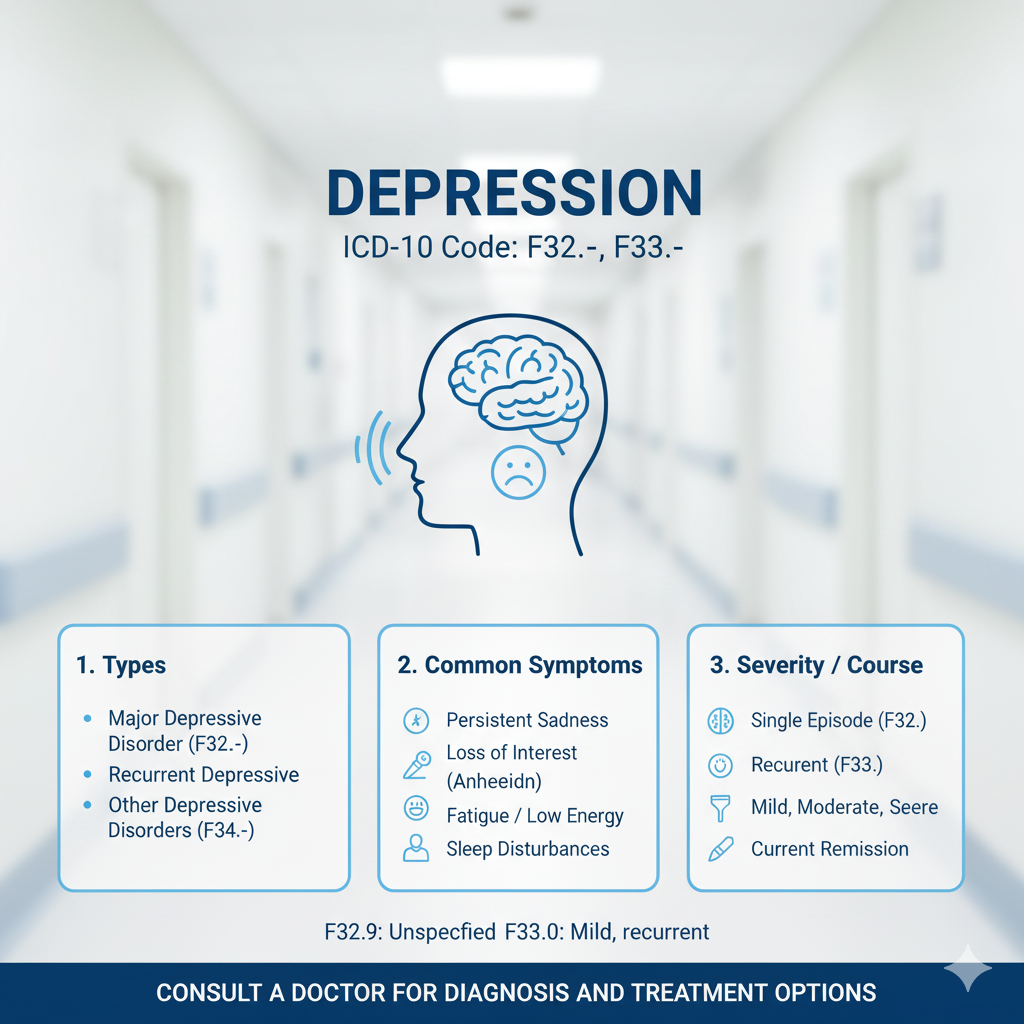


Depression is a complex mental health condition that affects millions of people worldwide. Yet, while many are familiar with its emotional and physical toll, few understand the importance of accurate coding in diagnosing and treating it. Enter the ICD code for depression—a crucial component in the healthcare system that helps professionals identify and manage this pervasive disorder. Whether you’re a patient seeking clarity or a healthcare provider navigating treatment options, understanding these codes can significantly impact your approach to mental health care. Join us as we explore what depression really means, how it’s diagnosed, and why proper coding matters now more than ever.
Understanding the ICD Code for Depression
The International Classification of Diseases (ICD) is a global standard for diagnosing health conditions. It provides a universal language that helps healthcare providers communicate effectively across borders.
When it comes to depression, the ICD code serves as a vital tool. These codes categorize different forms and severities of depressive disorders, allowing mental health professionals to pinpoint the specific issues patients face.
Understanding these codes enhances treatment plans and facilitates appropriate interventions. Proper coding ensures that individuals receive tailored care based on their unique circumstances.
Moreover, accurate documentation aids in insurance claims processing and research initiatives. This clarity can lead to improved funding for mental health programs, ultimately benefiting those struggling with depression.
By grasping how these codes function, both patients and providers can navigate the complexities of managing this condition more effectively.
What is Depression?
Depression is more than just feeling sad. It’s a complex mental health condition that affects millions globally. It can manifest in various forms, impacting thoughts, emotions, and behaviors.
People with depression often experience persistent sadness or a sense of hopelessness. They may lose interest in activities they once enjoyed. Daily tasks can become overwhelming.
Physical symptoms are also common. Fatigue, changes in appetite, and sleep disturbances frequently accompany this disorder. These elements create a cycle that can be hard to break.
Importantly, depression doesn’t discriminate; it can affect anyone regardless of age or background. Understanding its nuances is crucial for effective treatment and support options available today.
Signs and Symptoms of Depression
Depression manifests differently for everyone. It can start with persistent sadness or a feeling of emptiness that doesn’t seem to lift. This emotional heaviness is often accompanied by a lack of interest in activities once enjoyed.
Physical symptoms are also common. People may experience fatigue, disrupted sleep patterns, or changes in appetite. These signs may lead to significant weight gain or loss.
Cognitive struggles can emerge as well, making it difficult to concentrate or make decisions. Irritability and feelings of hopelessness often surface, creating further isolation from family and friends.
Some individuals might turn to substances as a coping mechanism, which complicates their mental health even more. Recognizing these signs early on is crucial for effective intervention and support. Understanding the spectrum of depression helps pave the way toward recovery and healing strategies tailored to individual needs.
How is Depression Diagnosed?
Diagnosing depression involves a comprehensive evaluation by a healthcare professional. It begins with an in-depth conversation about the patient’s mood, feelings, and behavior patterns.
Doctors often use standardized questionnaires to assess the severity of symptoms. These tools help identify specific criteria for major depressive disorder or other types of depression.
In addition to self-reported symptoms, clinicians consider medical history and any co-existing mental health issues. Physical examinations might also be conducted to rule out underlying conditions that could mimic depressive symptoms.
The DSM-5 (Diagnostic and Statistical Manual of Mental Disorders) provides guidelines for diagnosis based on symptom duration and impact on daily functioning. Collaboration between patients and providers is crucial in this process for accurate identification.
Open communication plays a vital role as well; sharing thoughts about life changes or stressors can illuminate factors contributing to one’s emotional state.
The Importance of Accurate Coding for Mental Health Conditions
Accurate coding for mental health conditions plays a crucial role in the healthcare system. It ensures that patients receive appropriate treatment tailored to their specific needs.
When mental health disorders like depression are coded correctly, it allows providers to understand patient histories better and track outcomes effectively. This information can lead to improved care strategies.
Moreover, accurate coding helps clinicians identify co-occurring disorders, which are common in individuals with depression. Understanding these complexities aids in holistic treatment planning.
From an administrative perspective, precise coding impacts insurance reimbursement processes. Insurance companies require correct codes for claims processing; errors can result in delays or denials of coverage.
The importance of accurate coding transcends mere paperwork — it is about delivering quality care and fostering positive patient experiences within mental health services.
ICD-10 Codes for Different Types of Depression
ICD-10 codes help categorize depression into specific types, making diagnosis and treatment more effective.
For major depressive disorder, the code is F32. This encompasses various severity levels—from mild to severe. Each subtype provides healthcare providers with insight into the necessary care approach.
Persistent depressive disorder, also known as dysthymia, falls under F34.1. It indicates a chronic form of depression lasting two years or longer, highlighting its continuous impact on daily functioning.
Another important category includes bipolar disorder labeled under F31. This condition features episodes of both mania and depression, requiring careful management due to its complexity.
Seasonal affective disorder (SAD) is noted with the code F33. Seasonal fluctuations can profoundly influence mood and behavior during winter months—recognizing this helps in timely intervention.
Each ICD-10 code serves a unique purpose within mental health diagnostics and treatment plans.
Commonly Used ICD-10 Codes for Co-Occurring Disorders
Co-occurring disorders are complex conditions impacting many individuals. These can include mental health issues paired with substance use disorders, creating unique challenges for diagnosis and treatment. Accurate coding is essential in this context.
One commonly used ICD-10 code is F10, which covers alcohol-related disorders. It helps healthcare providers recognize patterns of addiction alongside depression or anxiety.
Another important code is F11 for opioid-related disorders. This highlights the need for integrated care strategies addressing both addiction and underlying mood disturbances.
Using these codes effectively aids in developing comprehensive treatment plans tailored to individual needs. Proper identification ensures that patients receive appropriate support and resources throughout their recovery journey.
These codes serve as a bridge between various aspects of patient care, facilitating better communication among healthcare professionals involved in treatment.
Benefits of Properly Coding for Depression Treatment
Proper coding for depression treatment is essential in today’s healthcare landscape. Accurate ICD codes ensure that patients receive the right level of care tailored to their needs.
When providers use specific codes, it allows for better communication among healthcare professionals. This clarity facilitates a coordinated approach to treatment, which can significantly improve patient outcomes.
Moreover, proper coding helps in securing insurance reimbursements. Insurers often require precise information about diagnoses and treatments before approving claims. With accurate ICD codes, healthcare providers can avoid delays and denials that complicate access to necessary services.
Data collected through these codes also aids research efforts related to mental health. Understanding trends in depression can lead to improved therapies and interventions over time.
An organized coding system promotes awareness around mental health issues within society, fostering a culture of understanding and support for those affected by depression.
Conclusion
Accurate coding for mental health conditions, including depression, is essential in today’s healthcare landscape. The ICD code for depression not only plays a crucial role in diagnosis and treatment but also impacts insurance coverage and reimbursement processes. Understanding the various codes helps healthcare providers communicate effectively about patient needs.
Depression can manifest differently among individuals, leading to diverse diagnostic criteria and treatment approaches. Properly identifying the specific type of depression using its ICD-10 code ensures that patients receive appropriate care tailored to their unique circumstances. By acknowledging co-occurring disorders alongside primary diagnoses, clinicians can create comprehensive treatment plans.
Enhancing awareness around the importance of accurate coding fosters better outcomes for those affected by depression. It empowers both patients and providers alike while promoting effective management of this prevalent condition through informed decision-making based on precise data interpretation.