
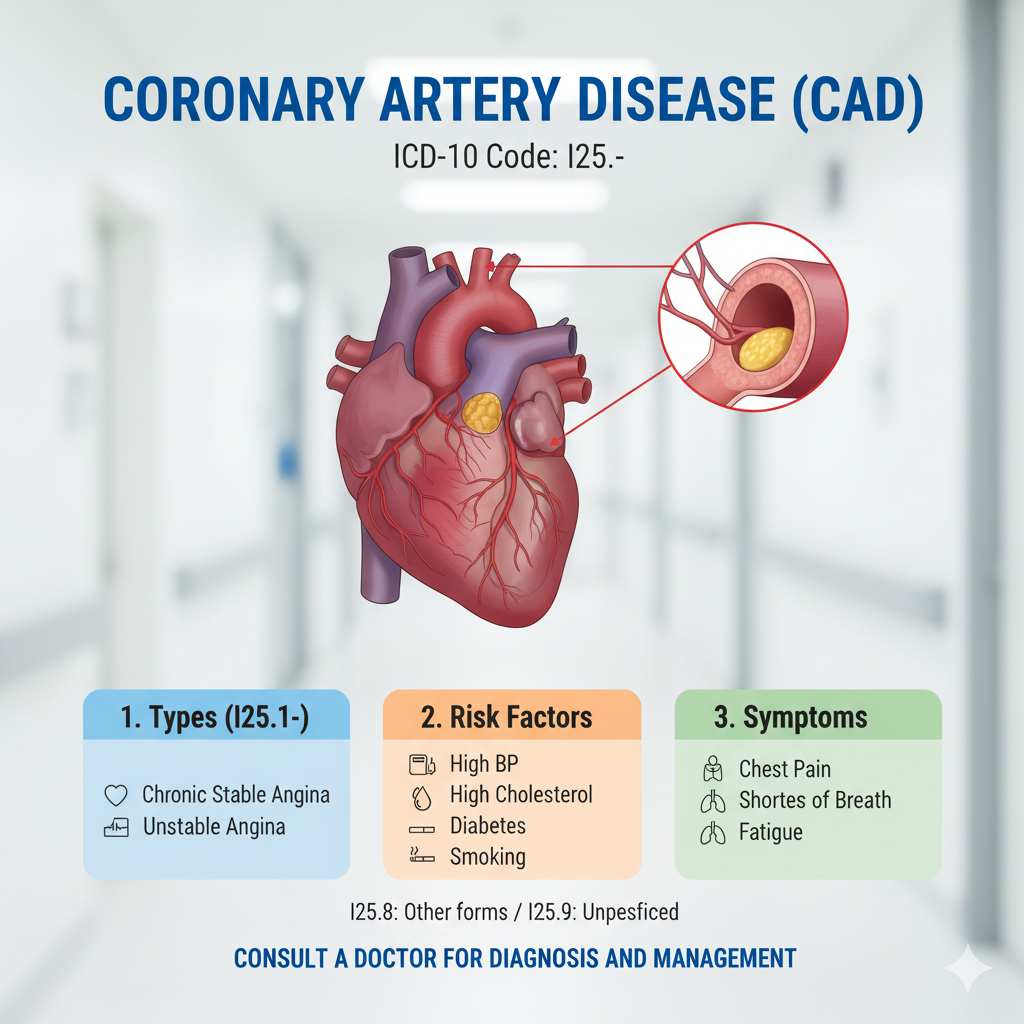


Coronary artery disease (CAD) is more than just a medical term; it’s a growing concern that affects millions of people worldwide. As the leading cause of heart attacks and related complications, understanding CAD can empower you to take charge of your health. One vital aspect in managing this condition is knowing how it’s classified in healthcare systems, particularly through codes like ICD-10. Whether you’re a patient, caregiver, or simply someone looking to expand their knowledge about heart health, grasping the complexities surrounding coronary artery disease and its classification will help you navigate its challenges with confidence. Let’s dive deeper into what CAD really means and why the ICD-10 code matters so much!
What is Coronary Artery Disease (CAD)?
Coronary artery disease (CAD) occurs when the coronary arteries become narrowed or blocked. These vessels supply blood to the heart muscle, making their health crucial for overall cardiovascular function.
The primary cause of CAD is atherosclerosis, where plaque builds up on artery walls. This buildup can impede blood flow and lead to serious complications, including chest pain and heart attacks.
Risk factors such as high cholesterol levels, smoking, diabetes, and hypertension contribute significantly to the development of this condition. Lifestyle choices play an essential role in either mitigating or exacerbating these risks.
Understanding CAD goes beyond just knowing its definition; it involves recognizing its potential impact on daily life. Awareness can lead to timely interventions that improve quality of life and enhance long-term outcomes for those affected by this common ailment.
Understanding the ICD-10 Code for CAD
The ICD-10 code for coronary artery disease (CAD) is a vital part of medical documentation. Understanding this code helps healthcare professionals accurately classify and bill for treatments.
The specific ICD-10 codes related to CAD vary based on the condition’s severity and presence of complications. For instance, I25.1 represents the diagnosis for atherosclerotic heart disease, while other codes address various forms like chronic ischemic heart disease.
These codes play an essential role in patient care. They ensure that health records reflect the patient’s condition precisely, facilitating appropriate treatment plans and insurance claims.
By using these standardized codes, healthcare providers can communicate more effectively about patients’ health needs across different systems and practices. This consistency ultimately supports better patient outcomes through targeted therapies tailored to individual cases of CAD.
Common Risk Factors for CAD
Coronary artery disease (CAD) develops due to a mix of lifestyle choices and genetic factors.
Age is a significant risk factor. As individuals grow older, arteries can become stiffer and narrower over time.
Gender also plays a role; men typically face higher risks earlier in life compared to women.
Uncontrolled hypertension contributes significantly to CAD. High blood pressure puts extra strain on the heart and arteries.
High cholesterol levels are another concern. Low-density lipoprotein (LDL) can build up in arterial walls, leading to blockages.
Diabetes increases susceptibility as well. Elevated blood sugar damages blood vessels over time, paving the way for complications like CAD.
Lifestyle habits matter too—smoking accelerates plaque buildup while physical inactivity fosters obesity, further complicating heart health.
A poor diet rich in saturated fats and sugars exacerbates these problems, making it essential to pay attention to what we eat.
Symptoms and Diagnosis of CAD
Coronary artery disease often presents subtle symptoms that can be easily overlooked. Chest pain or discomfort, commonly known as angina, is one of the hallmark signs. It may feel like pressure, squeezing, or a sense of fullness in the chest.
Other symptoms include shortness of breath and fatigue during physical activities. Some individuals might experience nausea or lightheadedness. These manifestations can vary significantly from person to person.
To diagnose CAD, healthcare professionals start with a thorough medical history and physical examination. Tests such as an electrocardiogram (ECG) or stress test help evaluate heart function under stress conditions. Imaging techniques like coronary angiography provide detailed insights into blockages within the arteries.
Recognizing these symptoms early is crucial for timely intervention and better outcomes in managing coronary artery disease.
Treatment Options for CAD
Treatment options for coronary artery disease (CAD) are diverse and tailored to individual needs. Medications often play a crucial role. Statins, beta-blockers, and antiplatelet agents can help manage symptoms and reduce the risk of heart attacks.
For those with more severe cases, procedures like angioplasty or stenting may be necessary. These minimally invasive techniques open blocked arteries and restore blood flow. In some situations, coronary artery bypass grafting (CABG) is recommended. This surgery reroutes blood around blocked vessels.
Lifestyle interventions are equally important in managing CAD. Cardiac rehabilitation programs offer structured support for exercise and nutrition changes that promote heart health.
Emerging therapies also show promise in treating CAD, including advanced imaging techniques to assess plaque stability and novel drug regimens aimed at reducing arterial inflammation. Each treatment plan must align with specific patient circumstances for optimal outcomes.
Lifestyle Changes to Prevent and Manage CAD
Making lifestyle changes is vital for preventing and managing coronary artery disease. Start with your diet. Incorporate more fruits, vegetables, whole grains, and lean proteins while reducing saturated fats and sugars.
Regular physical activity can’t be overlooked. Aim for at least 150 minutes of moderate exercise each week to strengthen your heart.
Stress management also plays a crucial role. Techniques like yoga or meditation can help keep stress levels in check.
Don’t underestimate the power of quitting smoking if you’re a smoker. It significantly lowers your risk and improves overall health.
Staying hydrated is essential too; water supports cardiovascular health by maintaining proper circulation.
Regular check-ups with healthcare professionals will ensure that any emerging issues are addressed promptly. Small adjustments today can lead to significant benefits down the road.
Conclusion
Coronary artery disease (CAD) is a serious health condition that affects millions of people worldwide. Understanding the ICD-10 code for CAD can help medical professionals accurately diagnose and treat this disease. Recognizing common risk factors, symptoms, and diagnostic methods is essential for early detection.
Treatment options range from lifestyle changes to medications and surgical procedures, which can significantly improve quality of life. Emphasizing healthy habits such as regular exercise, balanced nutrition, and stress management plays a crucial role in both prevention and management.
Being informed about coronary artery disease helps foster better health outcomes. Whether you’re at risk or managing CAD already, knowledge empowers you to take action towards heart health. Staying proactive with your healthcare provider ensures you remain on the right track in addressing this prevalent condition effectively.