
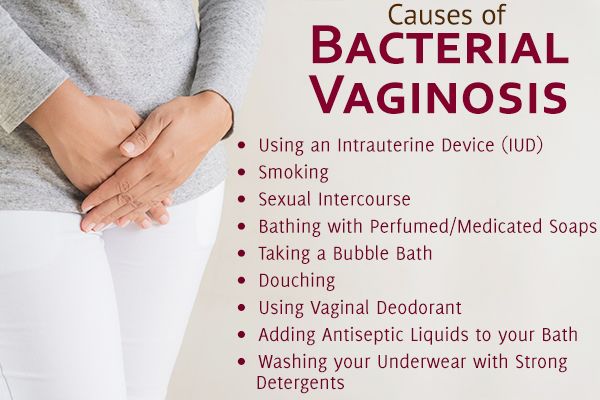

 is a common condition that often leaves women feeling confused and concerned. It’s not an infection but rather a)
Bacterial Vaginosis (BV) is a common condition that often leaves women feeling confused and concerned. It’s not an infection but rather a disruption in the natural balance of bacteria in the vagina. While it may sound alarming, understanding BV can empower you to take control of your health. Many women experience this at some point in their lives, yet there remains a cloud of mystery surrounding its causes and treatment options.
What if we told you that by uncovering the truth about bacterial vaginosis, you could better manage its symptoms and reduce your chances of recurrence? In this article, we will explore the intricate world of vaginal bacteria, delve into risk factors associated with BV, discuss common symptoms and diagnosis methods, as well as outline effective treatments available today. Plus, we’ll share tips on preventing future episodes and highlight some alternative remedies worth considering.
Your journey towards clarity starts here—let’s unravel what causes bacterial vaginosis together!
The Role of Bacteria in the Vaginal Ecosystem
The vaginal ecosystem is a delicate balance of various bacteria. Among these, Lactobacillus species play a crucial role. They help maintain an acidic environment, which is vital for preventing infections.
When the levels of beneficial bacteria are disrupted, harmful bacteria can flourish. This imbalance often leads to conditions like bacterial vaginosis (BV).
Each woman’s microbiome is unique, influenced by factors such as hormones and lifestyle choices. Stress or antibiotic use can also disturb this balance, making it easier for bad bacteria to take over.
Understanding this relationship between good and bad bacteria highlights the importance of maintaining vaginal health. A balanced microbiome not only prevents BV but also contributes to overall well-being.
Risk Factors for Developing BV
Several factors can increase the likelihood of developing bacterial vaginosis. One significant risk factor is having multiple sexual partners. This can disrupt the natural balance of bacteria in the vagina.
Hormonal changes also play a role. Women experiencing fluctuations due to menstruation, pregnancy, or hormonal contraceptives may notice an increased susceptibility to BV.
Certain lifestyle choices contribute too. Smoking has been linked to a higher risk, as it affects immune response and vaginal health.
Douching is another practice that can disturb the delicate bacterial ecosystem within the vagina, making infections more likely.
Additionally, women with conditions like diabetes or those who have recently taken antibiotics might be at a greater risk for developing this imbalance in vaginal flora. Understanding these factors helps in recognizing personal risks and fostering better reproductive health practices.
Symptoms of BV and How it is Diagnosed
Bacterial Vaginosis often presents with noticeable symptoms, though some women may experience none at all. Common signs include an unusual vaginal discharge that can appear gray or white. This discharge might have a fishy odor, particularly after intimate activities.
Itching and irritation in the vaginal area are also frequent complaints. These sensations can lead to discomfort and concern.
Diagnosing BV typically involves a healthcare provider performing a pelvic exam. They may collect samples of vaginal fluid for laboratory analysis. The presence of specific bacteria helps confirm the diagnosis.
Healthcare professionals often use criteria based on symptoms and lab results to establish whether someone has BV or another condition like yeast infection or sexually transmitted infections (STIs). Understanding these details is essential for effective treatment moving forward.
Treatment Options for BV
When it comes to treating bacterial vaginosis, several options are available. Antibiotics are the most common treatment. Metronidazole and clindamycin are often prescribed to combat the overgrowth of harmful bacteria.
In some cases, healthcare providers may recommend topical treatments. These can be effective for those who prefer not to take oral medications.
Probiotics have gained popularity as a complementary approach. They help restore the natural balance of bacteria in the vagina, potentially reducing recurrence rates.
It’s essential to follow your doctor’s guidance during treatment. Skipping doses or stopping prematurely can lead to complications or relapse.
For women experiencing recurrent BV, lifestyle changes might be beneficial too. This includes avoiding irritants like scented soaps and wearing breathable fabrics that promote airflow.
Discussing all available options with a healthcare provider ensures personalized care tailored to individual needs.
Preventing Recurrence of BV
Preventing the recurrence of bacterial vaginosis (BV) can be challenging, but there are effective strategies to help maintain a healthy vaginal environment.
First, it’s crucial to establish good hygiene practices. Use mild soaps and avoid douching, as this can disrupt the natural balance of bacteria in your vagina.
Next, consider your clothing choices. Opt for breathable cotton underwear and loose-fitting clothes to allow airflow. This can create a less favorable environment for harmful bacteria.
Diet also plays a key role. Incorporating probiotic-rich foods like yogurt or fermented vegetables may support beneficial bacteria growth.
Maintaining regular check-ups with your healthcare provider ensures any changes in symptoms are addressed promptly. Building awareness about personal triggers is essential to reducing future occurrences of BV.
Alternative and Natural Remedies for BV
For those seeking alternative remedies for bacterial vaginosis, several options may provide relief. Probiotics are among the most popular choices. They help restore healthy vaginal flora by introducing beneficial bacteria into your system.
Garlic is another natural option praised for its antimicrobial properties. Consuming garlic or using it in topical applications can support overall vaginal health.
Apple cider vinegar is often mentioned as a remedy due to its potential to rebalance pH levels. Adding it to baths or diluting with water for douching might offer some benefits.
Coconut oil, known for its antifungal qualities, can be used as a lubricant during intimate moments while providing moisture and comfort.
Herbal teas containing ingredients like chamomile and peppermint may soothe discomfort associated with BV. Staying hydrated also plays a role in maintaining balance within the body’s systems.
Conclusion
Bacterial Vaginosis is a common condition that many women experience at some point in their lives. Understanding its causes, symptoms, and treatment options can empower you to take charge of your health. The delicate balance of bacteria in the vagina plays a crucial role in maintaining overall vaginal health. Recognizing risk factors such as hormonal changes, sexual activity, and hygiene practices can help you be more aware.
Symptoms like unusual discharge or an unpleasant odor are signs to watch for. Early diagnosis is key to effective treatment; healthcare providers typically offer antibiotics as the primary option. Preventing recurrence may involve lifestyle modifications and careful attention to hygiene.
Exploring alternative remedies offers additional avenues for those seeking natural solutions. With knowledge comes strength, enabling women to manage their health proactively when it comes to Bacterial Vaginosis and related concerns. Empower yourself with information and consult healthcare professionals if needed—your well-being matters greatly.