
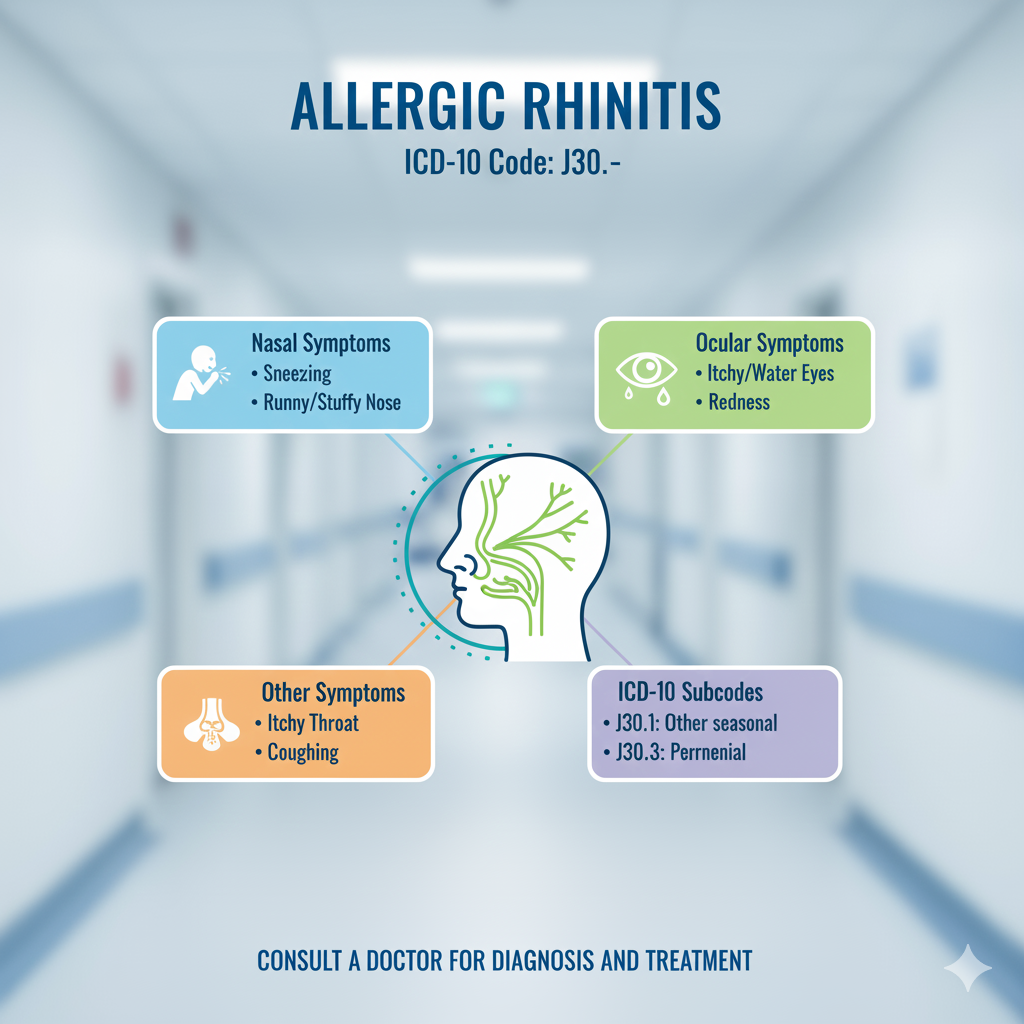


Allergic rhinitis affects millions of people around the world, causing uncomfortable symptoms like sneezing, congestion, and itchy eyes. If you’ve ever found yourself suffering from these pesky allergies, you know just how disruptive they can be. With seasonal changes or exposure to allergens such as pollen and dust mites, managing allergic rhinitis becomes crucial for maintaining a good quality of life.
But did you know that understanding how this condition is classified in healthcare systems is equally important? Enter ICD-10—the International Classification of Diseases 10th Revision—an essential coding system used by medical professionals. This coding not only aids in accurate diagnosis but also ensures proper treatment plans are set in motion.
As we dive deeper into the relationship between allergic rhinitis and its ICD-10 codes, you’ll discover why getting this right matters for both patients and healthcare providers alike. Let’s unravel the complexities surrounding allergic rhinitis ICD-10 together!
Understanding Allergic Rhinitis
Allergic rhinitis, commonly known as hay fever, is an allergic response to specific allergens. These can include pollen from trees, grasses, weeds, and indoor irritants like dust mites or pet dander.
When exposure occurs, the immune system mistakenly identifies these harmless substances as threats. This triggers a reaction that releases histamines and other chemicals in the body. The result? Annoying symptoms like sneezing, nasal congestion, itchy eyes, and runny noses.
There are two main types: seasonal and perennial. Seasonal allergic rhinitis typically appears during certain times of the year when specific allergens are abundant. On the other hand, perennial allergic rhinitis occurs year-round due to constant exposure to indoor allergens.
Managing this condition often involves avoiding triggers and using medications such as antihistamines or nasal sprays for relief. Understanding these nuances is vital for those affected by allergic rhinitis seeking effective treatment strategies.
What is ICD-10?
ICD-10 stands for the International Classification of Diseases, Tenth Revision. It is a coding system used globally to classify and document diseases, health conditions, and various medical procedures.
This system was developed by the World Health Organization (WHO) and provides standardized codes that enable healthcare providers to communicate effectively.
Each code corresponds to a specific condition or disease, allowing for accurate tracking of health data across different regions. This ensures consistency in billing processes and helps in clinical research.
In practice, ICD-10 improves patient care by facilitating better understanding and management of health issues. With detailed codes available for numerous ailments, including allergic rhinitis, healthcare professionals can ensure precise diagnoses and treatment plans tailored to individual needs.
Why is ICD-10 Important for Allergic Rhinitis?
ICD-10 plays a crucial role in the accurate diagnosis and treatment of allergic rhinitis. This coding system allows healthcare providers to classify and document this condition effectively, ensuring that patients receive appropriate care.
With precise codes, medical professionals can easily communicate patient information, facilitating better coordination among specialists. This is essential for managing allergies, which may require input from various practitioners.
Moreover, ICD-10 supports research efforts by providing standardized data on allergic rhinitis cases. Such information helps identify trends and improve treatment protocols over time.
Insurance companies also rely on these codes for billing purposes. Accurate coding ensures that patients have access to necessary treatments without unexpected costs or coverage issues.
The importance of ICD-10 extends beyond administrative tasks; it directly impacts patient outcomes by enabling tailored interventions based on documented conditions.
Common ICD-10 Codes for Allergic Rhinitis
When it comes to coding allergic rhinitis, several ICD-10 codes are essential for accurate diagnosis and treatment. The most commonly used code is J30.1, which specifies “Allergic rhinitis due to pollen.” This is particularly relevant during allergy seasons when symptoms peak.
Another important code is J30.2, representing “Other seasonal allergic rhinitis.” It helps capture cases where triggers vary throughout the year. For patients suffering from perennial allergic rhinitis, use J30.9, which covers unspecified allergic rhinitis.
Practitioners should also consider subcodes for more detailed descriptions of the condition. These can provide better insights into a patient’s specific allergies and help tailor treatments effectively.
Accurate coding not only aids in effective communication among healthcare providers but also plays a critical role in insurance reimbursements and research data tracking related to allergic conditions.
Tips for Accurate Coding of Allergic Rhinitis
Accurate coding for allergic rhinitis is crucial for effective treatment and reimbursement. Start by ensuring you have comprehensive patient information. Detailed medical histories help in selecting the right code.
Always differentiate between seasonal and perennial allergic rhinitis when choosing an ICD-10 code. This distinction can impact management strategies and treatment options significantly.
Check for additional symptoms like asthma or sinusitis, as they may require supplementary codes. Including these details enhances accuracy in coding and reflects the patient’s true health status.
Stay updated on any changes to coding guidelines. Regular updates from CMS or your local healthcare networks can provide essential insights that keep your practice compliant.
Double-check code selections against official resources before submitting claims to avoid potential audits or denials. Accuracy today streamlines processes tomorrow.
Potential Complications of Untreated Allergic Rhinitis
Untreated allergic rhinitis can lead to a cascade of complications that extend beyond mere discomfort. One significant issue is the development of sinusitis. When nasal passages swell, they can block sinuses, creating an environment ripe for infection.
Additionally, chronic inflammation may affect sleep quality. Many individuals experience disrupted sleep due to congestion and nighttime sneezing. This lack of rest can result in fatigue and decreased productivity during the day.
Another concern is asthma exacerbation. Allergic rhinitis often coexists with asthma, making symptoms worse if not managed properly. The interplay between these conditions requires careful attention from healthcare providers.
Moreover, untreated cases can contribute to ear infections as fluid builds up behind the eardrum due to blocked Eustachian tubes. This situation warrants prompt medical evaluation to prevent further complications.
There’s a psychological toll associated with persistent symptoms such as irritability or anxiety linked to ongoing discomfort and health issues.
Conclusion
Allergic rhinitis is a common condition that affects millions of people globally. Understanding the nuances of ICD-10 coding for allergic rhinitis can significantly improve patient care and ensure accurate billing. By familiarizing yourself with the relevant codes, you can streamline your practice and enhance communication with insurance providers.
Proper coding not only facilitates timely treatment but also helps track disease prevalence and outcomes. It’s essential to stay updated on any changes in ICD-10 guidelines related to allergic rhinitis. This diligence will ultimately benefit both healthcare professionals and patients alike.
Ignoring or mismanaging allergic rhinitis may lead to complications such as sinus infections or asthma exacerbations, impacting overall quality of life. Therefore, precise documentation through appropriate coding serves an important purpose beyond administrative efficiency; it contributes directly to better health management strategies.
Make sure you take these insights into account when dealing with cases involving allergic rhinitis. Accurate identification and management are key components in providing optimal care for those affected by this condition.