
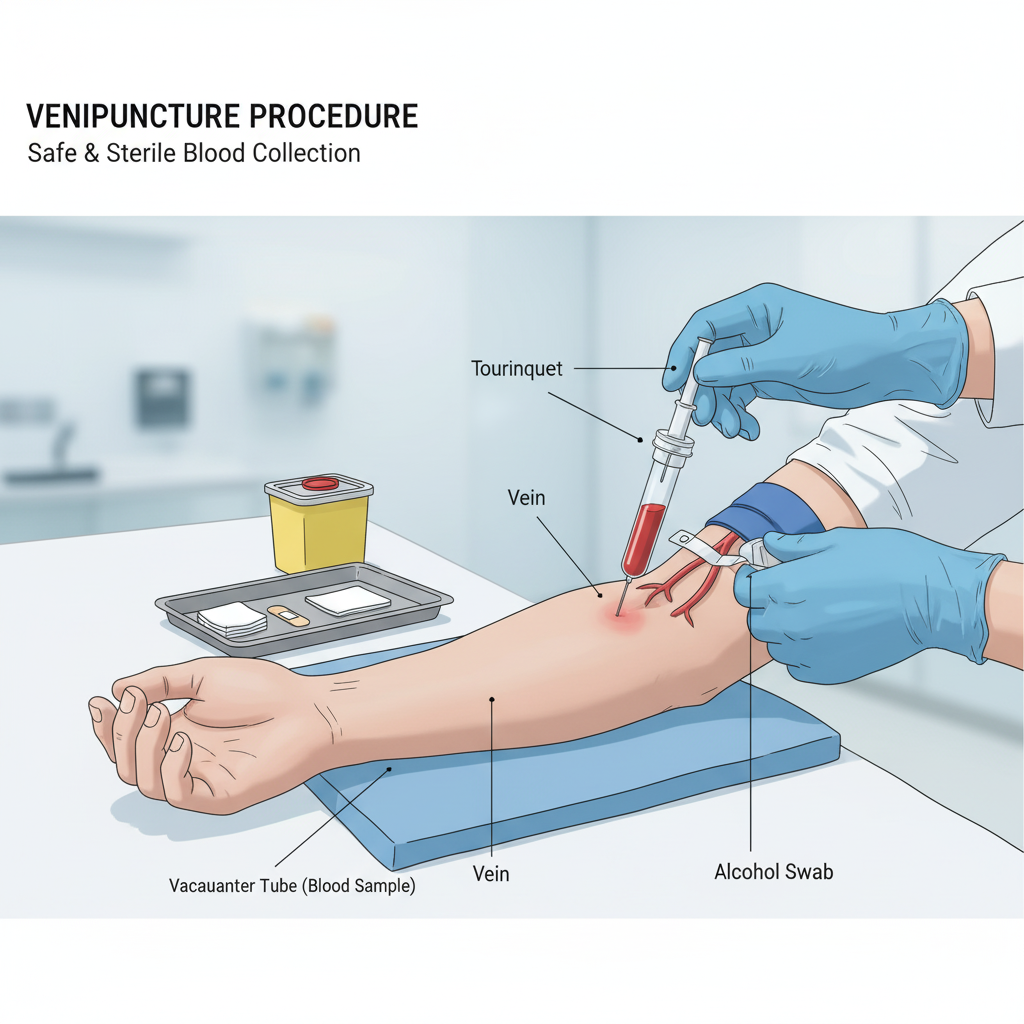


Venipuncture is a term that often sparks curiosity, especially for those not in the healthcare field. This seemingly complex procedure plays a pivotal role in modern medicine. From routine blood tests to critical diagnoses, understanding venipuncture can shed light on how our bodies are monitored and treated.
Whether you’re a patient awaiting results or an aspiring technician looking to make your mark in healthcare, grasping the intricacies of this skill is essential. It’s more than just drawing blood; it encapsulates years of medical evolution, training advancements, and profound impact on patient care. Join us as we delve into the world of venipuncture—its history, techniques, common pitfalls, and future developments—all designed to enhance your knowledge about this vital practice.
What is Venipuncture?
Venipuncture is the process of accessing a vein to collect blood samples for laboratory analysis. This technique is crucial in diagnosing various health conditions and monitoring treatment efficacy.
During venipuncture, a healthcare professional uses a sterile needle to puncture the skin and enter the chosen vein. Common sites include the antecubital fossa—the area inside your elbow—as well as other accessible veins in the arms or hands.
The procedure requires precision and skill. Properly performed venipuncture ensures minimal discomfort for patients while obtaining quality samples necessary for accurate testing.
Beyond simple blood draws, venipuncture can also facilitate intravenous therapy, allowing medications or fluids to be administered directly into the bloodstream. This versatility highlights its significance in both diagnostic and therapeutic contexts within healthcare settings.
The History and Evolution of Venipuncture
Venipuncture has a rich history that dates back thousands of years. Ancient civilizations, such as the Egyptians and Greeks, recognized the importance of blood for diagnosing illnesses. They employed rudimentary methods to draw blood, often using sharpened tools made from stone or bronze.
As medicine evolved during the Middle Ages, so did techniques for venipuncture. Bloodletting became a common practice based on the belief that balancing bodily humors was essential for health. However, this method was fraught with risks and led to numerous complications.
The 19th century marked significant advancements in medical science. The introduction of antiseptic practices by pioneers like Joseph Lister transformed how procedures were conducted. This period also saw improved instruments that enhanced safety and efficacy.
In modern times, venipuncture is performed with precision using advanced equipment designed for minimal discomfort. Today’s healthcare professionals rely on both technology and training to ensure successful outcomes while prioritizing patient care.
The Importance of Venipuncture in Healthcare
Venipuncture plays a vital role in modern healthcare. It serves as the primary method for obtaining blood samples, which are essential for diagnosis and treatment.
Through venipuncture, healthcare providers can conduct various tests. Blood work helps identify conditions like diabetes, infections, and anemia. Accurate results from these tests guide clinical decisions.
Moreover, venipuncture is crucial for administering treatments. Many medications require intravenous delivery to ensure rapid absorption and effectiveness. This process allows patients to receive life-saving therapies without delay.
The procedure also facilitates monitoring chronic illnesses. Regular blood draws help track progress and adjust treatment plans accordingly.
In essence, venipuncture not only aids in diagnosing diseases but also enhances patient care by enabling timely interventions and effective management of health issues.
Basic Steps of Performing Venipuncture
Performing venipuncture requires precision and care. First, gather all necessary supplies: gloves, a tourniquet, alcohol wipes, a needle, and blood collection tubes.
Begin by explaining the procedure to the patient. This helps alleviate any anxiety they may have.
Next, apply the tourniquet about 3-4 inches above the intended site. This will make veins more prominent and easier to access.
Cleanse the puncture site with an alcohol wipe in a circular motion from inside out. Allow it to dry completely before proceeding.
Holding the skin taut just below the insertion point is crucial for stability. Insert the needle at a 15-30 degree angle into the vein swiftly but gently.
Once you see blood flow into your tube or syringe, release the tourniquet promptly while continuing until you’ve collected enough sample volume.
Types of Blood Collection Tubes
Blood collection tubes come in various types, each designed for specific tests and purposes. The choice of tube can significantly impact the quality of the sample.
Lavender-top tubes contain EDTA, an anticoagulant that prevents blood from clotting. They are ideal for complete blood counts and other hematology tests.
Red-top tubes, on the other hand, lack additives. These tubes allow blood to clot naturally before centrifugation, making them suitable for serum testing.
Green-top tubes feature heparin as an anticoagulant. They facilitate plasma separation quickly and are often used in chemistry panels.
For patients requiring coagulation studies, blue-top tubes with sodium citrate help preserve samples without interference from clotting factors.
Each type plays a crucial role in ensuring accurate diagnostics and patient care. Selecting the appropriate tube is essential for obtaining reliable results during venipuncture procedures.
Common Errors and How to Avoid Them
Venipuncture is a precise procedure, but errors can occur. Recognizing these common pitfalls is essential for successful blood collection.
One frequent mistake is improper site selection. Choosing an area with visible veins yet avoiding areas of bruising or scarring can lead to complications. Palpating the vein before insertion helps ensure accuracy.
Another error involves incorrect needle angle. Aiming too steeply may cause pain and increase the risk of puncturing through the vein. Aim for a 15-30 degree angle for optimal entry.
Contamination during sample collection also poses risks. Use sterile equipment and maintain cleanliness to prevent infection or erroneous results.
Rushing through the process often leads to missed veins or excessive patient discomfort. Taking time to prepare mentally and physically can make all the difference in achieving success with venipuncture techniques.
Tips for Successful Venipuncture
Successful venipuncture relies on several key factors. First, ensure you have the right equipment ready and sterilized. This includes needles, alcohol swabs, and collection tubes.
Communication with your patient is vital. Explain the procedure in simple terms to ease their anxiety. A calm patient makes for an easier process.
Choosing the correct site is crucial. Typically, the median cubital vein is preferred due to its size and accessibility. Make sure to apply a tourniquet properly without causing discomfort.
Positioning matters as well. Have your patient extend their arm comfortably but visibly so you can work effectively.
Technique plays a huge role in success rates. Insert the needle at a 15-30 degree angle for optimal access while maintaining control throughout the process to minimize pain or complications during blood draw.
Training and Certification for Venipuncture Technicians
Training and certification for venipuncture technicians are crucial in ensuring safe and effective blood collection. These professionals undergo specialized training that combines theoretical knowledge with hands-on practice.
Courses typically cover anatomy, physiology, infection control, and proper techniques. Understanding the vascular system is vital for selecting the best sites for venipuncture.
Certification often requires passing an exam after completing a training program. This validates a technician’s skills and knowledge, enhancing their credibility in the healthcare field.
Many organizations offer continuing education to keep technicians updated on best practices and emerging technologies. Staying informed helps maintain high standards of patient care.
Aspiring venipuncture technicians should seek accredited programs recognized by relevant health authorities. A solid educational foundation not only increases job prospects but also instills confidence when performing procedures on patients.
Future Developments in the Field of Venipuncture
The future of venipuncture is set to be shaped by technological advancements. Innovations like robotic systems are being explored to enhance accuracy and efficiency in blood collection.
Additionally, the use of artificial intelligence may soon aid technicians in identifying optimal veins for puncture. This could significantly reduce patient discomfort and improve success rates.
Wearable technology is also on the horizon. Devices that can monitor health metrics continuously might eliminate the need for frequent blood draws altogether.
Moreover, training methods will evolve with virtual reality simulations. These immersive experiences can provide budding professionals with hands-on practice without risk to real patients.
As research progresses, alternative sampling methods such as saliva or interstitial fluid analysis could change how we approach diagnostics. The landscape of venipuncture is ripe for transformation, promising a more patient-friendly experience moving forward.
Conclusion
Understanding venipuncture is essential for anyone involved in healthcare. This technique plays a critical role in diagnosing and treating patients. From its historical roots to the modern methods employed today, venipuncture has evolved significantly over time.
With an extensive knowledge of basic steps, types of blood collection tubes, and common errors associated with this procedure, professionals can enhance patient outcomes. Equipping oneself with tips for successful venipuncture can further refine techniques and ensure better experiences for both technicians and patients alike.
The realm of training and certification for venipuncture technicians continues to grow as the field advances. As technology evolves, we can anticipate exciting developments that may change how venipuncture is performed or taught.
Staying informed about these changes ensures that practitioners provide the highest quality care possible while maintaining safety standards. Embracing ongoing education will ultimately lead to improved practices within this vital aspect of healthcare.