
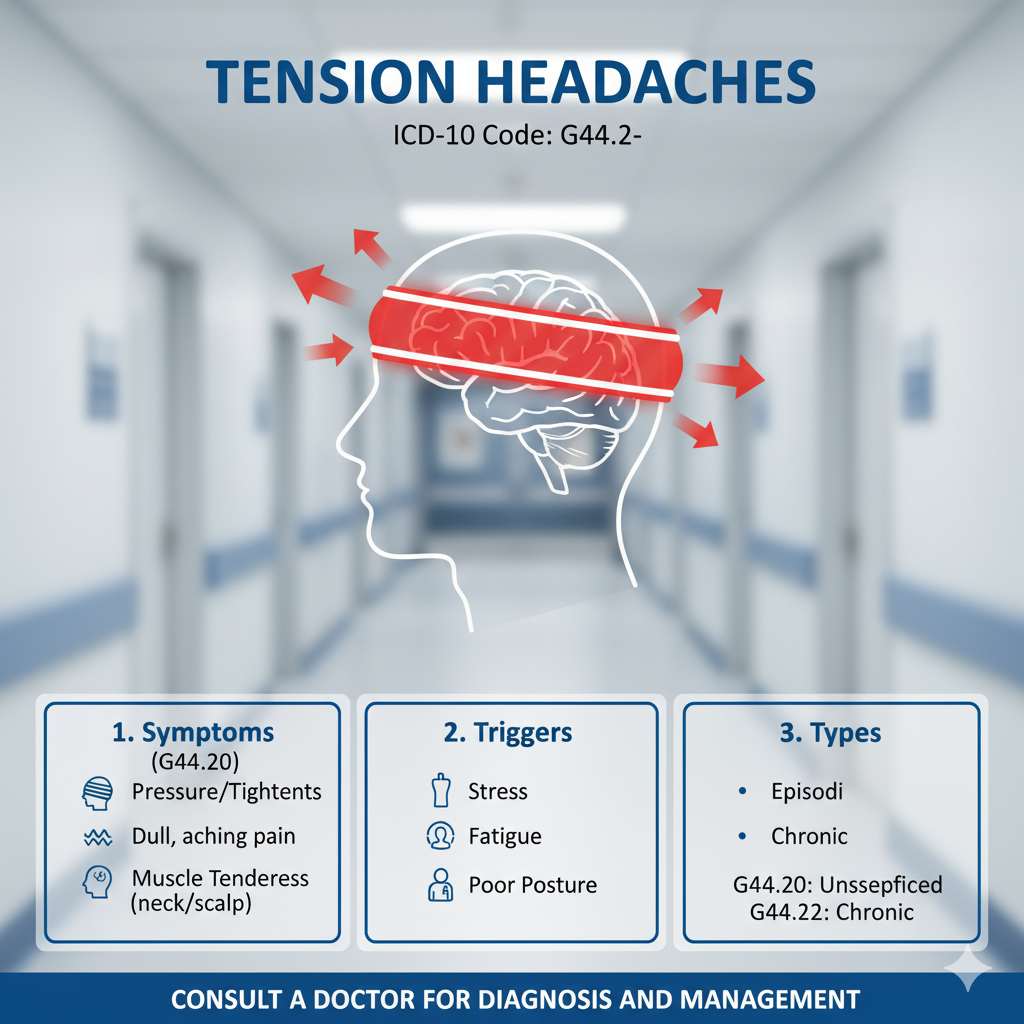


Tension headaches are a common yet often misunderstood ailment. They can strike unexpectedly, turning a productive day into one filled with discomfort. Imagine trying to concentrate on work or enjoy time with loved ones while battling that tight band of pressure around your head. If you’ve ever experienced this sensation, you’re not alone.
These headaches can arise from various sources—stressful situations, poor posture, or even lack of sleep. Understanding the ins and outs of tension headaches is key to managing them effectively. Let’s dive deeper into what they are, their causes and symptoms, as well as ways to alleviate the pain and prevent future occurrences. Whether you’re seeking relief for yourself or want to learn more for someone close to you, this guide will provide valuable insights into navigating the world of tension headaches.
What are Tension Headaches?
Tension headaches are the most common type of headache, affecting millions worldwide. They typically present as a dull, aching pain that feels like a tight band around the head. Unlike migraines, they usually don’t come with nausea or sensitivity to light.
These headaches can last anywhere from 30 minutes to several days. The intensity can vary but often remains mild to moderate. People may find it hard to concentrate and feel fatigued during an episode.
They arise when muscles in the neck and scalp become tense due to physical or emotional stressors. This tension triggers discomfort and creates that familiar sensation we associate with tension headaches.
Understanding this condition is vital for managing symptoms effectively and improving overall quality of life.
Causes and Triggers of Tension Headaches
Tension headaches can stem from various factors, often linked to everyday stressors. Emotional tension is a significant contributor. Anxiety or frustration can build up and manifest physically as pain.
Muscle strain due to poor posture plays a crucial role too. Hours spent hunched over screens or in uncomfortable positions can lead to tight neck and shoulder muscles, triggering discomfort.
Environmental factors like bright lights, loud noises, or strong smells may also provoke these headaches. Interruptions in daily routines can heighten sensitivity and susceptibility.
Lack of sleep is another common trigger. When you’re tired, your body struggles to cope with stress effectively, making tension headache onset more likely.
Dehydration should not be overlooked either. Insufficient fluid intake impacts overall health and increases the likelihood of experiencing head pain as well.
Symptoms of Tension Headaches
Tension headaches often present with a dull, aching pain. This discomfort can feel like a tight band around your head.
People frequently describe the sensation as pressure or tenderness in their scalp, neck, and shoulders. Some may also experience mild sensitivity to light or sound, though this is less common.
Unlike migraines, tension headaches typically do not cause nausea or vomiting. They are more of an annoyance than debilitating.
The duration varies; some might last only a few hours while others linger for days. If you find yourself struggling to focus due to persistent discomfort, it’s essential to take note of these symptoms.
Feeling fatigued and irritable can accompany the headache as well. Recognizing these signs can help in managing the condition effectively without letting it disrupt daily life.
Diagnosis and Treatment Options
Diagnosing tension headaches typically begins with a thorough medical history. A healthcare provider will ask about your symptoms, their frequency, and any potential triggers. Keeping a headache diary can be beneficial for this process.
Physical examinations often follow to rule out other underlying conditions. In some cases, imaging tests like CT scans or MRIs may be recommended to ensure there are no serious issues contributing to the pain.
Treatment options vary widely based on individual needs. Over-the-counter medications such as ibuprofen or acetaminophen are commonly used for relief. For more chronic cases, doctors might prescribe stronger medications or recommend physical therapy.
Lifestyle modifications play an essential role too. Stress management techniques such as yoga and meditation can significantly reduce headache frequency and intensity.
Natural Remedies for Tension Headaches
Exploring natural remedies for tension headaches can be a gentle and effective approach to relief. Herbal teas, such as chamomile or peppermint, often offer soothing properties that help relax tense muscles and calm the mind.
Essential oils like lavender and eucalyptus can also play a significant role. A few drops in a diffuser create an inviting atmosphere while promoting relaxation. Alternatively, massaging these oils into the temples may provide immediate comfort.
Regular stretches are beneficial too. Simple neck and shoulder exercises release built-up tension, making them great additions to your daily routine.
Mindfulness practices like meditation or deep breathing techniques encourage mental clarity. These methods not only reduce stress but also enhance overall well-being.
Maintaining proper hydration is essential. Drinking plenty of water throughout the day ensures your body functions optimally and helps stave off potential headache triggers.
Tips for Preventing Tension Headaches
Preventing tension headaches starts with identifying triggers. Pay attention to stressors in your daily life. Keeping a journal can help track patterns that lead to discomfort.
Maintaining good posture is crucial. Whether you’re sitting at a desk or scrolling on your phone, ensure your head and neck are aligned correctly. Ergonomic setups can make a significant difference.
Regular breaks during work hours also play a vital role. Stand up, stretch, and take deep breaths every hour to relieve built-up tension.
Stay hydrated throughout the day. Dehydration can contribute to headache development, so keep water close by.
Incorporating relaxation techniques into your routine helps manage stress levels effectively. Activities like yoga or meditation not only calm the mind but also ease muscle tightness associated with tension headaches.
Prioritize sleep quality by establishing a calming bedtime routine and maintaining consistent sleep schedules for better overall health.
When to Seek Medical Attention
It’s essential to listen to your body when dealing with tension headaches. If your pain becomes severe or persistent, it’s time to consult a healthcare professional.
Seek medical attention if you experience headaches that disrupt daily activities. Frequent episodes can signal an underlying condition that needs addressing.
Watch for additional symptoms such as nausea, vision changes, or confusion. These could indicate more serious issues requiring immediate care.
If over-the-counter medications aren’t providing relief after several days, don’t hesitate to reach out for help. A healthcare provider may recommend alternative treatments or therapies tailored to your needs.
If you’ve never experienced headaches before and suddenly develop them later in life, it’s wise to get checked out. Understanding the cause is crucial for effective management and ensuring overall health.
Conclusion
Tension headaches are a common issue that many people face, yet they often go misunderstood. This guide has explored their nature, causes, symptoms, diagnosis methods, and various treatment options available. By understanding how to manage tension headaches effectively and being aware of potential triggers, individuals can take proactive steps toward alleviating pain.
Natural remedies offer an alternative approach for those seeking relief without medication. Additionally, implementing preventive measures can significantly reduce the frequency and intensity of these headaches.
It’s important to listen to your body. If tension headaches persist or worsen despite self-care efforts, don’t hesitate to seek medical attention. A healthcare professional can help pinpoint underlying issues and suggest appropriate treatments tailored to individual needs.
Awareness and education about tension headaches empower you in your journey toward comfort and wellness.