
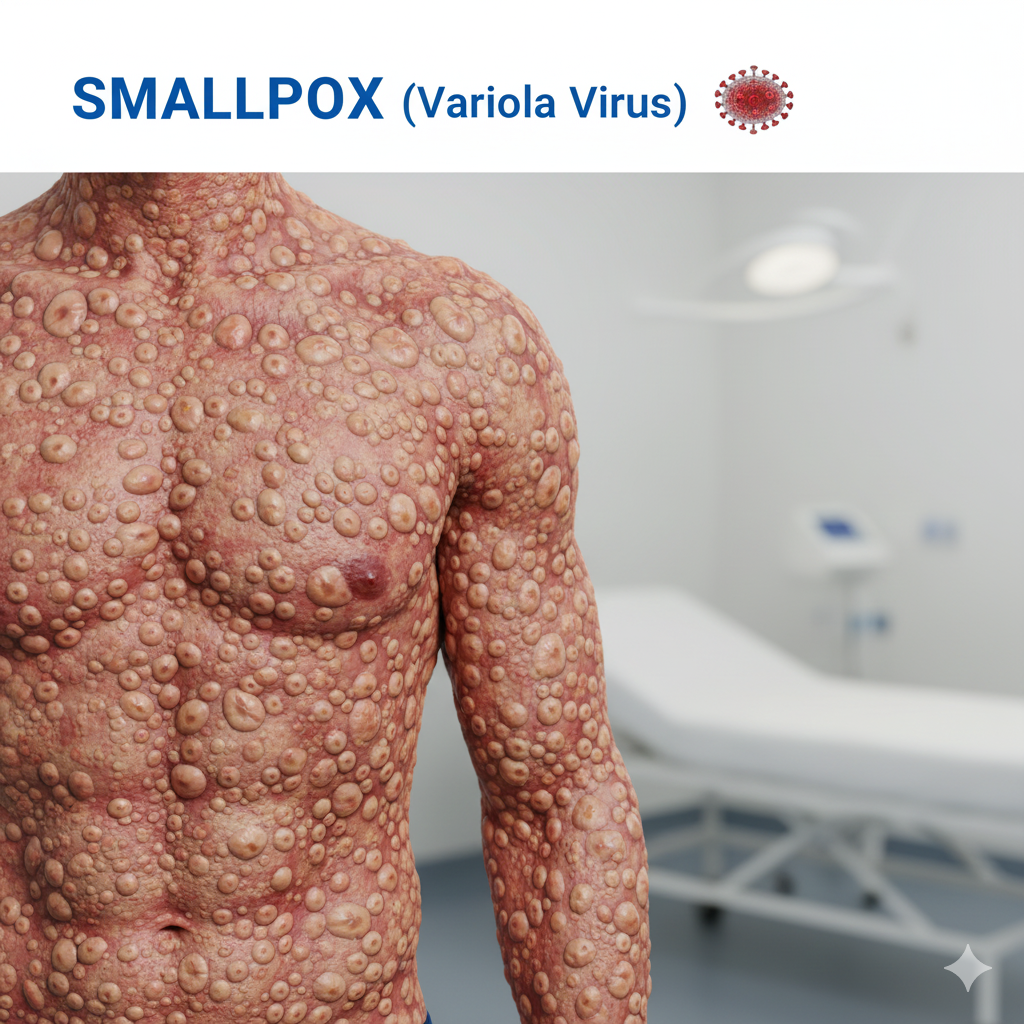


Small smallpox, often overshadowed by its more notorious cousin, large smallpox, is a topic that deserves attention. This lesser-known variant has intrigued researchers and historians alike due to its unique characteristics and the pivotal role it played in public health history. Understanding this disease gives us insight into not just medical practices of the past but also our current approaches to vaccination and disease prevention.
As we dive deeper into the world of small smallpox, you’ll discover fascinating details about its symptoms, transmission methods, and the extensive efforts made to eradicate it. From historical narratives that shaped modern medicine to ongoing debates about vaccines, there’s much to uncover. Join me on this journey as we explore everything you need to know about this intriguing aspect of infectious diseases!
History of Smallpox
Smallpox has a long and tragic history, dating back thousands of years. It is believed to have originated in Africa or India around the 3rd century BCE. The disease spread rapidly across continents, affecting populations globally.
Throughout history, smallpox wreaked havoc on communities. Ancient civilizations often documented outbreaks, noting the severe toll it took on their people. In Europe during the 18th century alone, millions fell victim to its deadly grasp.
The introduction of variolation in the 18th century marked a turning point in combating smallpox. This method involved deliberately infecting individuals with a mild form of the virus to build immunity.
Edward Jenner’s discovery of vaccination in 1796 revolutionized public health efforts against smallpox. His work laid the foundation for future immunization practices that ultimately led to eradication campaigns worldwide.
Despite these advancements, smallpox remained a formidable foe until it was declared eradicated by 1980 following extensive global vaccination efforts.
Symptoms and Transmission of Smallpox
Small smallpox presents with distinct symptoms that can be alarming. Initially, it starts with a sudden onset of fever and fatigue. Patients may also experience headaches and backaches.
As the illness progresses, a characteristic rash emerges. This begins as flat red spots on the face, arms, and legs. The spots then develop into fluid-filled blisters before scabbing over.
Transmission occurs through direct contact with infected individuals or contaminated objects. Respiratory droplets during close interactions are common routes for spreading the virus.
The disease is highly contagious in its early stages when symptoms first appear but becomes less so once the rash develops. Awareness of these signs is crucial for timely intervention and control measures to prevent outbreaks from occurring.
Diagnosis and Treatment of Smallpox
Diagnosing smallpox involves a careful examination of symptoms and medical history. Physicians look for characteristic skin lesions that progress from macules to vesicles and finally pustules. Laboratory tests, including PCR, can confirm the presence of the virus.
Treatment options are limited since there is no specific antiviral therapy for smallpox. Supportive care remains crucial, focusing on hydration and pain relief. Patients may require isolation to prevent spreading the disease.
Vaccination plays a significant role in treatment post-exposure. The smallpox vaccine can be administered within days of exposure to provide protection or lessen severity if infection occurs.
Healthcare professionals must remain vigilant due to potential outbreaks caused by bioterrorism or laboratory accidents. Early diagnosis and prompt intervention are key factors in managing this potentially deadly disease effectively.
Prevention and Eradication Efforts
Preventing smallpox has been a monumental effort in public health. The cornerstone of this initiative was the development of the smallpox vaccine. This innovative approach, pioneered by Edward Jenner in 1796, utilized cowpox to provide immunity against smallpox.
Global vaccination campaigns gained momentum in the 20th century. Countries collaborated under organizations like the World Health Organization (WHO) to eliminate this deadly disease. By systematically vaccinating populations, they significantly reduced transmission rates.
Surveillance played a vital role too. Identifying and isolating outbreaks helped contain any resurgence of smallpox cases quickly. Regions with high infection rates received targeted vaccinations as part of containment strategies.
The culmination of these efforts led to an extraordinary achievement: smallpox became the first disease eradicated from human populations in 1980. This success story serves as an inspiring model for combating other infectious diseases worldwide.
The Controversy Surrounding Smallpox Vaccines
The smallpox vaccine has been a topic of heated debate since its inception. Initially hailed for eradicating the disease, it also sparked concerns about safety and side effects.
Some individuals experienced adverse reactions, leading to public fear. Misunderstandings around these incidents fueled anti-vaccine sentiments that persist today. The argument often pivots on personal freedom versus public health needs.
Additionally, the historical context matters. Smallpox vaccines were administered in mass campaigns during outbreaks, raising ethical questions about consent and individual rights.
Today’s discussions extend beyond health implications to societal trust in medical institutions. Misinformation can spread rapidly online, complicating efforts to educate the public accurately.
As awareness grows regarding bioterrorism threats involving smallpox stocks, people remain divided on whether vaccination should be mandatory or voluntary. This ongoing controversy reflects broader debates surrounding vaccinations as a whole in contemporary society.
Current Status of Smallpox in the World
Smallpox is a disease that has been eradicated since 1980. The World Health Organization declared this monumental achievement after an intensive global vaccination campaign.
Today, the only known samples of the virus are securely stored in two locations: one in the United States and another in Russia. These facilities maintain strict security protocols to prevent any accidental release.
Despite its eradication, smallpox remains a topic of concern among public health officials. There are ongoing debates about whether these remaining samples should be destroyed or retained for future research purposes.
The threat of bioterrorism also looms large, as some fear that remnants of the virus could resurface outside controlled environments. As such, monitoring and preparedness remain vital components of global health strategies today.
Conclusion
Understanding small smallpox is crucial, given its historical significance and impact on public health. This disease shaped societies and influenced medical practices over centuries. Awareness of its symptoms and transmission methods can lead to better preparedness in case of any re-emergence.
The evolution of diagnosis and treatment strategies highlights the importance of ongoing research in infectious diseases. The global efforts towards eradication have been a testament to what cooperation can achieve in combating deadly illnesses.
Smallpox vaccinations remain a point for discussion among healthcare professionals, with varying opinions about their necessity today. As we monitor the current status of this virus worldwide, it’s essential to stay informed about potential threats that could arise from bioterrorism or laboratory accidents.
Keeping these factors in mind allows us to appreciate how far we’ve come while reminding us that vigilance remains key in safeguarding our health against diseases like small smallpox.