


Anemia might not be a term that pops up in everyday conversations, but its impact is far-reaching. Imagine feeling unusually tired, weak, or dizzy without any apparent reason. These can be telltale signs of anemia lurking beneath the surface. This condition affects millions worldwide and often goes unnoticed until symptoms become overwhelming.
Understanding the signs of anemia is crucial for everyone—whether you’re experiencing them yourself or looking out for loved ones. In this comprehensive guide, we’ll delve into what anemia truly means, explore its causes and types, identify common symptoms to watch for, and discuss effective diagnosis and treatment options. We’ll also cover lifestyle changes that can help manage anemia effectively and share preventive tips to keep your iron levels in check.
Join us on this informative journey as we uncover everything you need to know about recognizing the signs of anemia and supporting those who may be affected by it!
What is Anemia?
Anemia is a condition characterized by a deficiency of red blood cells or hemoglobin in the bloodstream. These components are vital for transporting oxygen throughout the body. When there aren’t enough healthy red blood cells, your organs and tissues may not receive adequate oxygen, leading to various health issues.
There are numerous factors that can contribute to anemia, including nutritional deficiencies, chronic diseases, and genetic disorders. It’s more common than many realize and can affect anyone—regardless of age or gender.
The severity of anemia varies widely from mild fatigue to serious complications if left untreated. Understanding this condition is essential for early detection and effective management. Knowledge about anemia empowers individuals to seek out appropriate care when they notice signs that something might be wrong with their health.
Causes of Anemia
Anemia can stem from various underlying factors. Nutritional deficiencies are among the most common causes, particularly a lack of iron, vitamin B12, or folate. These nutrients play vital roles in red blood cell production.
Chronic diseases also contribute significantly to anemia. Conditions like kidney disease and cancer can interfere with your body’s ability to produce healthy blood cells.
Genetic disorders such as sickle cell anemia and thalassemia create structural abnormalities in hemoglobin, leading to reduced oxygen transport throughout the body.
Infections may deplete iron or disrupt normal blood production too. Malaria is one notable example that can lead to severe anemia due to its impact on red blood cells.
Certain medications might cause bone marrow suppression or affect nutrient absorption. Understanding these causes is crucial for effective management and treatment of this condition.
Types of Anemia
Anemia isn’t a one-size-fits-all condition. It comes in various types, each with its own causes and characteristics.
Iron-deficiency anemia is the most common type. It occurs when your body lacks sufficient iron to produce hemoglobin, the protein that carries oxygen in red blood cells.
Vitamin deficiency anemia often arises from insufficient vitamin B12 or folate intake. These vitamins are crucial for red blood cell production and overall health.
Another category is aplastic anemia, where bone marrow fails to produce enough cells due to damage from radiation, toxins, or autoimmune disorders.
Hemolytic anemia involves the premature destruction of red blood cells. This can be caused by infections, certain medications, or inherited conditions like sickle cell disease.
Each type has unique implications for treatment and management. Understanding these variations is essential for effective care and support.
Symptoms of Anemia
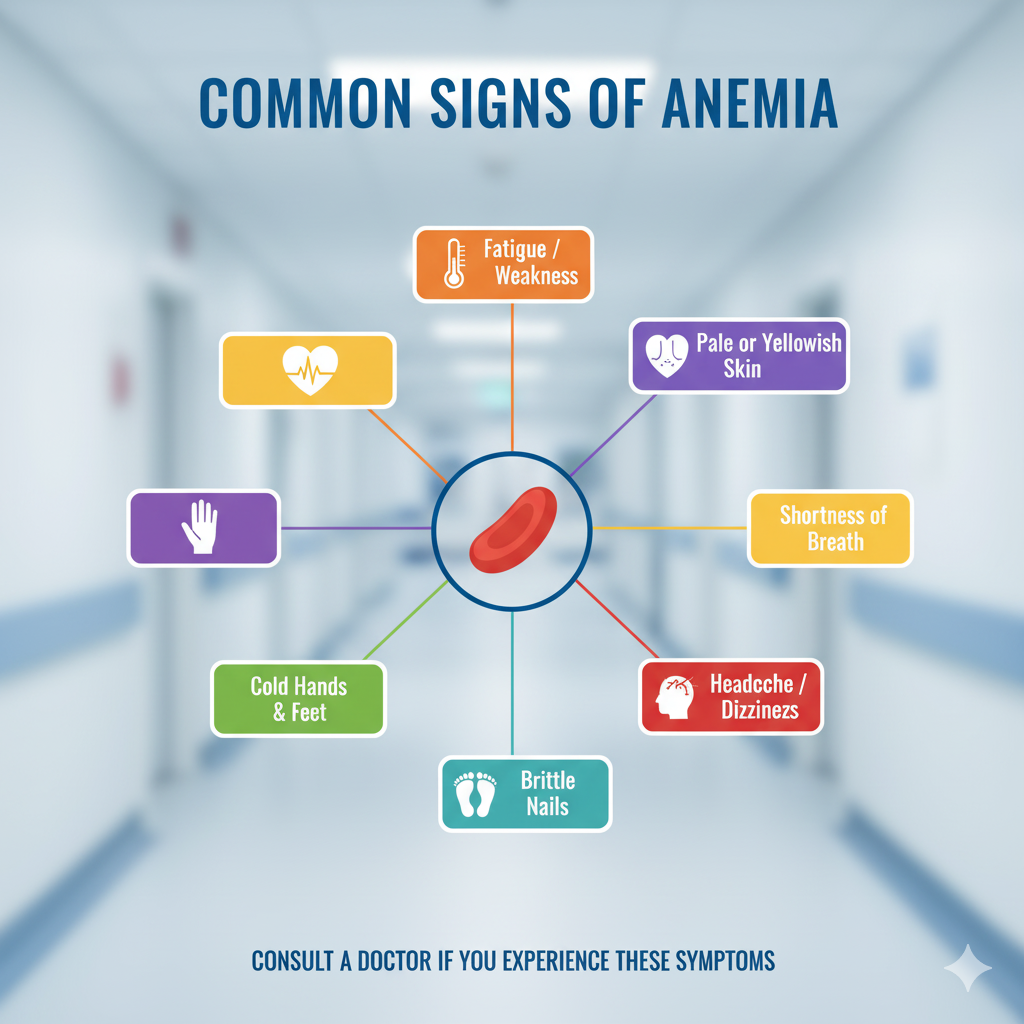
Recognizing the signs of anemia can be crucial for early intervention. Fatigue is often one of the first noticeable symptoms. It may feel like an overwhelming sense of tiredness, even after a full night’s sleep.
Pallor is another common indicator. You might notice your skin looking paler than usual or observe changes in the color of your gums and nail beds.
Shortness of breath during everyday activities also raises red flags. Simple tasks, like climbing stairs, could leave you gasping for air.
Dizziness and lightheadedness may occur as well, particularly when standing up quickly or exerting yourself physically.
Other symptoms include cold hands and feet, unusual cravings for non-food items (a condition known as pica), and headaches that seem to come out of nowhere. Being aware of these signs can help guide conversations with healthcare providers about potential concerns regarding anemia.
Diagnosis and Treatment Options
Diagnosing anemia typically begins with a simple blood test. A complete blood count (CBC) measures hemoglobin levels and red blood cell counts. If these are low, further tests may be needed to identify the type of anemia.
Treatment options vary based on the underlying cause. Iron-deficiency anemia often requires iron supplements and dietary changes to include more iron-rich foods like spinach and red meat.
For vitamin deficiency anemias, doctors may recommend vitamin B12 shots or folic acid supplements. Chronic diseases causing anemia might necessitate treating the primary condition for effective management.
In some cases, severe anemia could lead to medical interventions such as transfusions or medications that stimulate red blood cell production. Always consult a healthcare professional before starting any treatment plan tailored to your specific needs.
Lifestyle Changes to Manage Anemia
Managing anemia effectively often starts with lifestyle changes that can enhance your overall well-being. Prioritizing a balanced diet is crucial. Incorporate iron-rich foods like spinach, beans, and red meat into your meals. Pairing these with vitamin C sources such as citrus fruits can boost absorption.
Regular physical activity also plays an important role in managing symptoms. Light exercise, like walking or yoga, can help improve energy levels without overexertion.
Staying hydrated should not be overlooked either. Water aids digestion and helps maintain healthy blood circulation.
Additionally, try to reduce stress through mindfulness practices like meditation or deep-breathing exercises. Stress management contributes positively to your body’s ability to cope with anemia’s effects.
Consider keeping a food diary to track what you eat and identify any gaps in nutrition that may need addressing for better health outcomes related to anemia management.
Prevention Tips for Anemia
Preventing anemia involves a proactive approach to your diet and lifestyle. Incorporating iron-rich foods is crucial. Think lean meats, beans, lentils, and dark leafy greens.
Vitamin C enhances iron absorption. Pairing citrus fruits or bell peppers with meals can boost your intake significantly.
Staying hydrated also plays a vital role. Dehydration can worsen anemia symptoms, so drink plenty of water throughout the day.
Regular check-ups are essential for early detection. A simple blood test can help identify any deficiencies before they escalate.
If you’re at risk due to pregnancy or chronic conditions, consider consulting a healthcare provider about supplementation options tailored to your needs.
Avoid excessive caffeine as it may hinder iron absorption from food sources. Simple adjustments in daily habits can make a notable difference in maintaining healthy levels of hemoglobin in your body.
When to Seek Medical Help
Recognizing when to seek medical help for signs of anemia is crucial. If you experience persistent fatigue, weakness, or dizziness that doesn’t improve with rest, it’s time to consult a healthcare professional.
Sudden changes in your health can also be alarming. For instance, if you notice an unusual pallor or shortness of breath during routine activities, don’t ignore these symptoms. They could indicate underlying issues that need attention.
Additionally, if you’re experiencing chest pain or rapid heartbeat alongside other symptoms like cold hands and feet, immediate medical evaluation is essential. These could be signs of a more severe condition linked to anemia.
Don’t hesitate to reach out if you have questions about dietary deficiencies as well. A nutritionist may offer insights tailored to your specific needs and lifestyle choices. Remember that early intervention often leads to better outcomes.
Living with Anemia: Coping Strategies and Support Groups
Living with anemia can feel overwhelming at times, but there are effective coping strategies that can help. Staying informed about your condition is crucial. Knowledge empowers you to make better choices regarding your health.
Connecting with others who share similar experiences can also be beneficial. Support groups offer a safe space to discuss feelings and challenges related to anemia. Sharing stories fosters understanding and reduces isolation.
Nutrition plays a significant role in managing symptoms. Incorporating iron-rich foods into your diet, such as leafy greens, beans, and lean meats, can enhance energy levels.
Regular check-ups with healthcare providers will keep you on track for any necessary adjustments in treatment plans or supplements.
Practicing self-care is essential too; engaging in gentle exercises like walking or yoga helps improve overall well-being while allowing time for relaxation techniques such as meditation or deep breathing exercises.
Conclusion
Understanding the signs of anemia is crucial for maintaining your health. Recognizing symptoms early can lead to timely diagnosis and effective treatment. Whether it’s fatigue, weakness, or pale skin, being aware of these signals allows you to take action.
Anemia has various causes and types that require tailored approaches to management. Engaging with healthcare professionals ensures that you receive a proper diagnosis and appropriate treatment options suited to your specific needs.
Incorporating lifestyle changes such as diet modifications or supplements can significantly improve your condition. Preventative measures are equally important in reducing risks associated with anemia.
If you’re experiencing persistent symptoms, seeking medical advice is vital. Living with anemia may present challenges, but understanding coping strategies and connecting with support groups can provide relief and encouragement along the journey.
Taking proactive steps towards managing your health will empower you in dealing with this condition effectively. Remember, staying informed about the signs of anemia is an essential part of taking charge of your well-being.